7 Best Geogrid Gravel Products for Driveways and Roads
A gravel driveway can look solid on a dry afternoon, then develop ruts after a week of rain. Loose stones shift under tires, especially near gates, slopes, and turning areas. Geogrid Gravel systems aim to confine aggregate and help distribute vehicle loads across a wider area. Their performance still depends on the ground beneath them.
The right product is not simply the one with the thickest grid or the lowest price. Cell size, material strength, roll dimensions, and installation requirements all affect how a geogrid suits a particular project. Small details matter. A soft, wet subgrade may need different preparation from a compacted road base, and no grid can replace proper drainage or well-graded stone.
This guide reviews seven Geogrid Gravel products for driveways and roads, comparing practical features that buyers can check before ordering. We look at intended use, stated specifications, ease of handling, and potential value. Product descriptions do not always reveal how a grid will perform on a specific site, so treat ratings and claims as starting points, not guarantees. A careful fit matters more than a bold label. Not every driveway needs reinforcement. Considering soil conditions, expected traffic, and installation guidance can help narrow the options and avoid an expensive mismatch.
What Geogrid Gravel Is and How It Supports Roads and Driveways
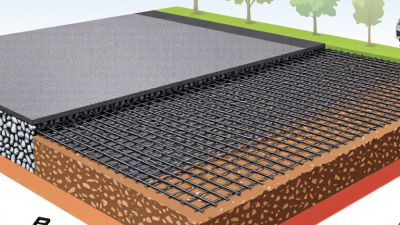
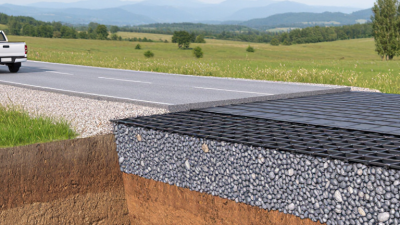
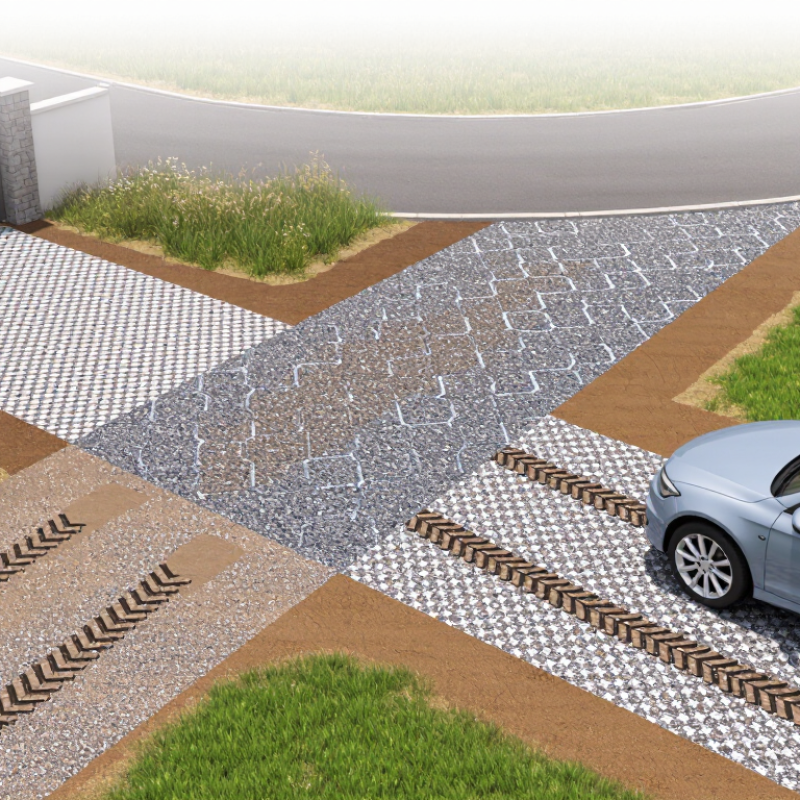
Geogrid gravel is an open, load-supporting layer placed beneath or around aggregate. Its ribs hold stones in position and reduce sideways movement when tires press down. Without that restraint, gravel can spread into soft soil, leaving ruts and uneven tracks. The grid does not make weak ground disappear. It helps the gravel work more effectively.
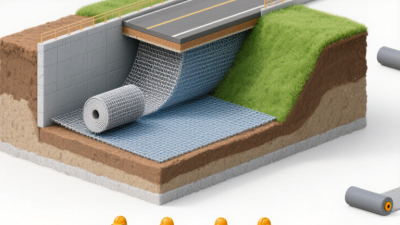
A typical driveway installation starts with removing loose topsoil and shaping the subgrade so water can drain. On soft or silty ground, a separation fabric may help keep soil from mixing with the stone; site conditions matter. The grid is laid flat, secured as specified, and filled with angular, compactable aggregate. Check the edges. Poorly contained gravel can still migrate outward. For roads carrying heavier vehicles, grid strength, aggregate depth, and subgrade preparation should suit the expected loads. A light residential drive and a delivery route are not the same job. It is tempting to blame every rut on a weak grid, but trapped water or inadequate compaction may be the real issue. That part is easy to overlook.
Key Factors for Comparing Geogrid Gravel Products
When comparing geogrid gravel products, look beyond tensile strength. Check aperture size against the stone gradation, junction integrity, and installation survivability. A grid that holds 20-millimeter aggregate differently from 40-millimeter stone may change how well particles interlock. Ask for tensile strength in kN/m and the test method, not just a headline number.
FHWA’s Geosynthetic Design and Construction Guidelines (NHI-07-092) treats material strength, construction damage, and site conditions as separate design considerations. FHWA’s pavement research report, FHWA-HRT-04-079, also evaluated geosynthetic reinforcement in aggregate base courses; its findings support comparing products within the pavement design, not assuming one grid delivers a fixed savings. That distinction matters. A thin grid may look strong on paper but still be a poor match for soft, wet subgrade or sharp aggregate.
Compare installation guidance, too: overlap requirements, anchoring, and allowable aggregate placement methods affect real performance. Ask whether the supplier’s test data reflect the intended soil and stone sizes. ASTM D6637 tensile results help compare products, but do not establish a universal pass value. I would also check junction strength and damage resistance. Product sheets can omit awkward details, so request the underlying test reports.
7 Best Geogrid Gravel Products for Driveways and Roads
Key Factors for Comparing Geogrid Gravel Products
Compare products by checking these factors against your site conditions and manufacturer specifications. Ratings are editorial screening priorities on a 1–5 scale, not measured product-performance data or product rankings.
Seven Geogrid Gravel Products for Driveways and Roads
Seven Geogrid Gravel Products for Driveways and Roads
Seven useful options include biaxial polypropylene grids for two-way support, triaxial grids for spreading loads, and punched-and-drawn grids with stiff, consistent apertures. Woven polyester grids can provide tensile reinforcement, while coated grids offer added protection during installation. A geogrid-geotextile composite combines reinforcement with separation. Cellular geocells confine gravel in three dimensions; they are related ground-stabilization products, not flat grids. Choose based on soil, traffic, drainage, and aggregate size—not the product label alone. USGS’s Mineral Commodity Summaries 2024 estimates U.S. crushed-stone production at about 1.5 billion metric tons in 2023, underscoring how much road building depends on aggregate. FHWA’s Geosynthetic Design and Construction Guidelines (FHWA-NHI-07-092) describes functions including separation and reinforcement. Yet a grid cannot compensate for poor drainage or a weak installation plan.
Tips: Check the manufacturer’s aperture guidance against your gravel size. Remove soft topsoil, shape the base for runoff, and overlap seams as specified. Compact in thin lifts. Small details matter. On wet clay, a geotextile separator may be needed beneath the grid; confirm the section design before ordering.
How to Match a Geogrid to Your Site and Project Needs
Choosing a geogrid starts with the ground, not the product label. Start with the soil. Soft clay that pumps under a boot needs more support than compact, well-drained gravel. A simple site check after rain can reveal puddling, rutting, or soil that shifts underfoot. These clues matter, though they do not replace a proper soil assessment.
Next, match the grid to expected traffic and aggregate. A home driveway used by cars has different demands from a farm lane carrying loaded trucks. Check the product’s published strength, aperture size, and installation guidance, then confirm they suit the stone size and base thickness in your plan. The stones should engage with the grid, rather than sit loosely above it. Drainage matters too. On a wet site, a grid alone will not fix trapped water or poor grading. That is easy to overlook. For heavy traffic, uncertain soil, or a road with steep grades, ask a qualified civil or geotechnical professional to review the design. Small choices, such as leaving the subgrade uneven or spreading aggregate too thin, can undermine an otherwise suitable grid.
How to Install and Maintain a Geogrid Gravel Surface
A geogrid helps gravel resist spreading, but it cannot fix a poorly prepared base. Remove soft soil, roots, and standing water before laying the grid. Shape the ground to direct runoff away from the driveway. Compact the subgrade, then add a suitable separator fabric if the soil is silty or likely to mix with gravel. Check local ground conditions; one layout will not suit every site.
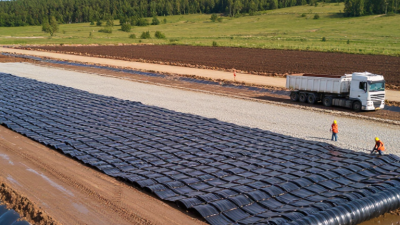
Roll out the geogrid over the prepared surface and keep it taut. Secure it with pins or stakes, following the product’s installation guidance for spacing and overlaps. Keep it taut. Spread angular, well-graded gravel in controlled lifts, rather than dumping a deep pile in one spot. Compact each lift with appropriate equipment, taking care not to drag gravel across exposed grid. The surface may look uneven during placement. That is not a reason to skip compaction.
Inspect the driveway after heavy rain and during seasonal maintenance. Look for ruts, ponding, exposed grid, or gravel pushed toward the edges. Refill low areas with matching aggregate and compact them; simply scattering loose stone often leaves the problem underneath. Clear blocked drainage paths and trim vegetation before roots or debris collect. Drainage matters. Even careful installation can settle over time, so check problem areas again after the first few storms.