How to Choose the Right Plastic Geogrid in 2026?

Choosing the right Plastic Geogrid in 2026 starts with the ground, not the product brochure. A grid suited to a soft subgrade may be unnecessary on a firm, well-drained base. Soil type, design loads, drainage, installation conditions, and project life all affect the choice. Small details matter: a wet clay site, a steep access road, or repeated truck traffic can change what performance is needed.

This guide explains how to compare geogrid types, aperture dimensions, tensile properties, polymers, and supporting test data. It also shows why design values should match the actual application rather than rely on a single headline strength. Check technical sheets carefully, and ask suppliers how reported values were tested. Where possible, have a qualified geotechnical professional review the site conditions and design assumptions.

The strongest-looking option is not automatically the best fit. Not even close. Installation quality matters, too; poor overlap or uneven placement can undermine a sound specification. A neat comparison chart may still miss local soil variability, so treat it as a starting point. The sections ahead offer practical questions for narrowing choices, assessing product documentation, and weighing cost against expected performance. There is no universal answer, and sometimes the available site data are incomplete. Naming that uncertainty is better than pretending every project can be solved from a catalog.
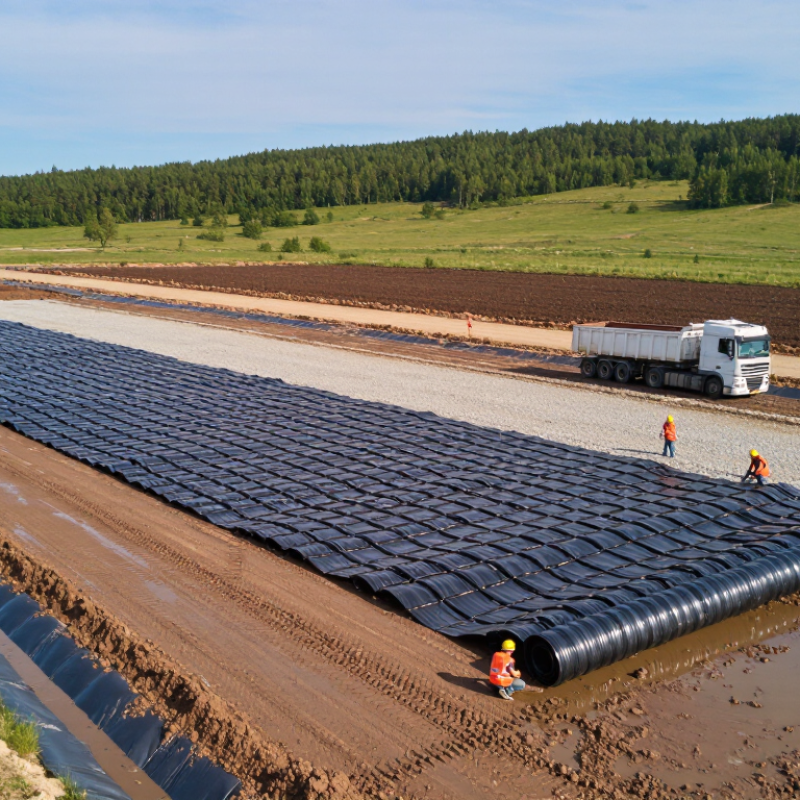
How to Choose the Right Plastic Geogrid in 2026?

Identify Site Conditions and Define Project Performance Requirements

Start with the ground, not the product sheet. Record subgrade strength, groundwater level, slope, drainage, and expected traffic. A wet, soft subgrade beneath a haul road needs different reinforcement from compacted soil beneath a parking area. Note the fill too: sharp crushed stone can cause more installation damage than rounded aggregate. FHWA’s Geosynthetic Design and Construction Guidelines (NHI-07-092) identify installation damage, creep, and durability as design considerations. A tensile-strength number alone is not enough.

Define measurable performance targets before comparing grids. Specify allowable rut depth, required bearing improvement, design life, and construction loads. FHWA’s 2012 GRS-IBS guidance uses reinforcement spacing of 8 inches or less for that particular system; it is not a universal spacing rule for every geogrid application. This distinction matters. I still see projects where a spacing detail gets copied without checking soil or loading. That shortcut may not hold up.

Tips: Ask for tensile strength at the strain relevant to your design, plus junction strength and durability data. Match the test methods to the specification. Check whether the supplier’s guidance covers your aggregate size and installation equipment. This checklist is not perfect; field conditions can overturn a tidy design. Verify assumptions with site testing and a qualified geotechnical engineer.

Compare Plastic Geogrid Materials, Structures, and Functions

How to Choose the Right Plastic Geogrid in 2026?

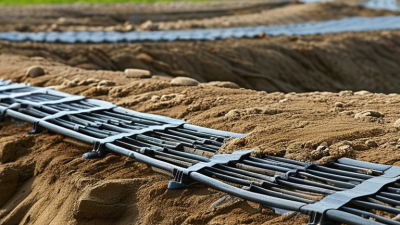
Plastic geogrids differ in polymer, structure, and performance. Common options include polypropylene and high-density polyethylene. Their tensile strength, stiffness, creep behavior, and resistance to site chemicals vary by product and specification. Extruded grids often have integral ribs, while welded or woven structures use joined strands. Aperture size also matters: aggregate particles must engage with the grid, not simply sit on it. Details matter.

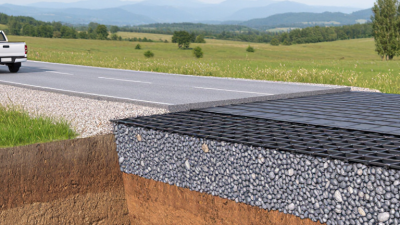
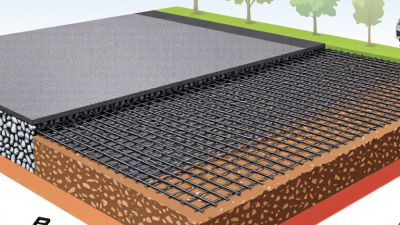
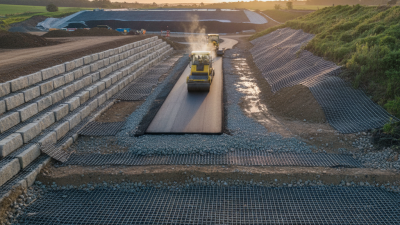
Uniaxial grids are generally selected for reinforcement in one primary direction, such as retaining walls or steep slopes. Biaxial grids distribute strength in two directions and are commonly considered for roads and working platforms. Neither structure is automatically better. Check design loads, soil conditions, drainage, installation damage, and long-term performance data. I still find it easy to focus on tensile strength alone; stiffness and creep can be just as important.

Tips: Match the grid’s specified strength direction to the load path. Compare test methods and design values, not just headline numbers. Ask for documentation covering durability and installation limits, then verify the choice with a qualified geotechnical designer. A tidy product table can help, but it cannot replace site-specific checks.

Match Grid Strength and Aperture to Soil and Application

How to Choose the Right Plastic Geogrid in 2026?

Match Grid Strength and Aperture to Soil and Application

Choosing a plastic geogrid starts with understanding the soil beneath it. Soft, wet subgrade may need a grid with suitable tensile stiffness and strong junctions to help limit rutting under repeated traffic. For a retaining structure, the required strength direction and reinforcement length depend on the design. One specification does not fit every site.

Check the aperture against the material it will engage. Openings should allow crushed aggregate to interlock with the grid, rather than letting particles sit loosely on top. A fine soil may need a different approach from a compacted, angular stone base. Look at particle size, gradation, and installation conditions together. Small details matter.

Then check whether the selected grid can tolerate placement and compaction. Sharp aggregate, rough handling, and heavy equipment can damage products or shift them out of position. Ask for tested tensile properties, junction performance, and installation guidance, and compare them with the project’s design requirements. Field conditions can be messy. A plan that looks sound on paper may still need adjustment after a trial section. Record the soil, aggregate, and compaction results before scaling up.

Check 2026 Standards, Durability Data, and Installation Needs

In 2026, choose a plastic geogrid by matching documented performance to the project, not by peak tensile strength alone. Check which standards and test methods the specification requires, and confirm that the supplier’s reports use comparable conditions. Requirements can differ by application and location. Do not assume a test result automatically proves suitability for your site.

Look beyond headline strength. Review creep data, junction strength, resistance to installation damage, and durability under expected chemical, moisture, and temperature conditions. Ask how values were measured and whether they represent long-term design strength or short-term testing. Numbers need context. A tidy data sheet can still leave questions unanswered, and I would pause if key test conditions are missing.

Installation matters just as much as selection. Match aperture size and rib stiffness to the fill material, then check the method statement for subgrade preparation, overlap, anchoring, and placement sequence. On site, inspect for wrinkles, contamination, and damage from turning equipment over the grid. Small mistakes can compromise the intended reinforcement. Confirm the required aggregate cover before trafficking. The best product on paper may be a poor fit if crews cannot install it consistently; project-specific review by a qualified geotechnical professional can help resolve that gap.

Assess Supplier Quality, Documentation, and Total Project Cost

Choosing a plastic geogrid is not just a matter of comparing tensile strength on a quotation. Ask suppliers for current test reports that match the product type, aperture, and strength direction you plan to use. Check whether the reports identify the test method and laboratory, and whether batch records can connect delivered rolls to production data. A clean datasheet helps. It is not proof by itself.

Request a sample and inspect its ribs, junctions, and roll labels. Compare the sample with the stated specifications, then clarify how quality checks are recorded during production. Ask what happens if a shipment arrives damaged or dimensions differ from the order. These questions can feel awkward, but vague answers are worth noticing. Looks matter less. Consistency matters more.

Compare total installed cost, not only price per square meter. Include freight, unloading, storage, cutting waste, overlaps, anchoring, and the crew’s installation time. A lower-priced grid may require more careful handling or create extra waste around curves and drainage details. Ask for delivery timing in writing, since a late roll can leave equipment and labor waiting on site. Cost estimates are imperfect; site conditions often change. Still, a simple comparison sheet can expose missing allowances before purchase. Check that the proposed grid suits the soil, loading, and design requirements, and have the project engineer review any substitution.