What Is the Best Gravel Geogrid from China?
Choosing the best Gravel Geogrid from China requires more than comparing prices or product photographs. A reliable decision begins with soil conditions, traffic loads, drainage, installation quality, and verified manufacturing data. On a rural access road, one poor choice can appear as rutting after heavy rain. The surface may look stable at delivery. It may fail months later.
Dr. Jorge G. Zornberg, a respected geosynthetics researcher, has stated, “Geosynthetics must be selected according to performance requirements, not appearance.” This principle matters when evaluating Chinese suppliers. A professional buyer should examine tensile strength, aperture size, junction efficiency, polymer type, UV resistance, and long-term dimensional stability. Factory testing helps, but independent verification offers stronger confidence.
The best Gravel Geogrid is not automatically the strongest product. It must match the aggregate size, subgrade weakness, construction equipment, and expected service conditions. High-strength material may be unnecessary on a lightly loaded driveway. A cheaper grid may become expensive after repeated repairs. That part is easy to underestimate.
Look for manufacturers with traceable quality systems, consistent batch records, technical drawings, and practical installation guidance. Ask for test reports with clear standards and test conditions. Request samples, then inspect rib uniformity and junction integrity by hand. Still, laboratory results cannot replace field judgment. This comparison will examine material performance, supplier credibility, application suitability, and real-world value, helping readers identify a Gravel Geogrid that performs beyond the catalogue.
What Is Gravel Geogrid and How Does It Stabilize Ground?
What Is the Best Gravel Geogrid from China?
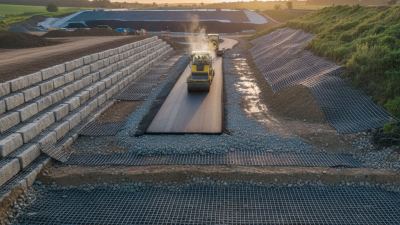
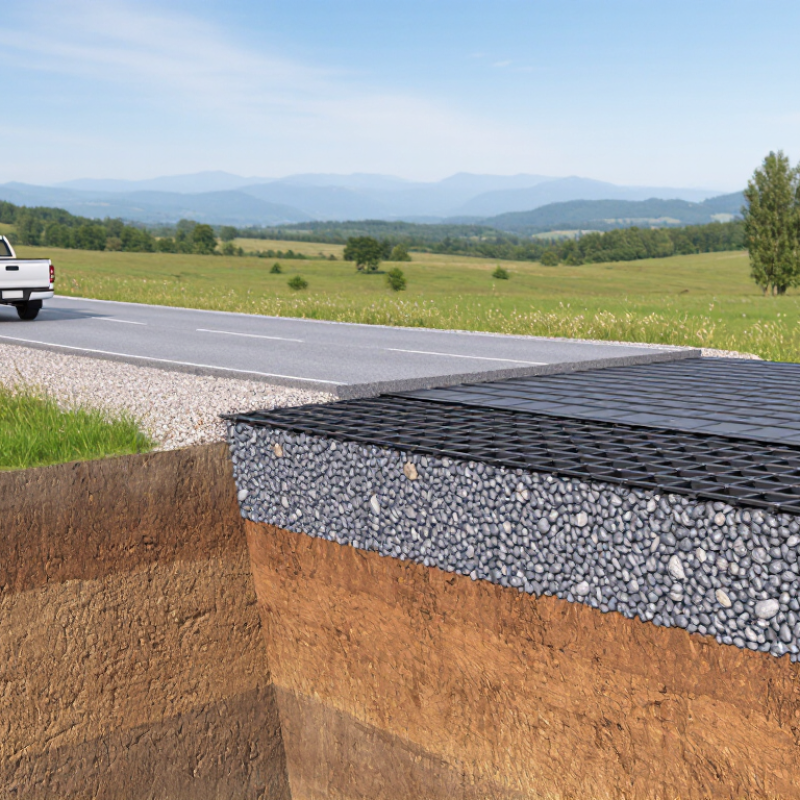
Gravel geogrid is a polymer grid placed beneath or within an aggregate layer. Its openings allow gravel particles to lock into the structure. This creates stronger interaction between the grid and stone. Under vehicle loads, the grid limits sideways movement and spreads pressure across a wider area. The result can be fewer ruts, less gravel migration, and a more stable working surface. It is not a replacement for proper drainage or suitable soil preparation.
The best geogrid depends on the ground conditions, traffic weight, and installation method. For a farm access road, crews may inspect aperture size, tensile strength, junction quality, and resistance to construction damage. A reliable Chinese supplier should provide test reports, product dimensions, raw material details, and practical project references. Samples should be checked before a large order. Small differences matter. A weak subgrade may still settle, even with a strong grid. I would also question any claim promising permanent performance without maintenance.
Tips: Compact the subgrade carefully. Remove soft spots. Place the geogrid flat, without folds. Use clean, well-graded gravel above it. Keep drainage paths open. Record installation photos and material batches. During inspection, watch for early rutting after heavy rain. That evidence may reveal a design mistake faster than a brochure.
How Should China-Made Gravel Geogrids Be Compared?
What Is the Best Gravel Geogrid from China?
How Should China-Made Gravel Geogrids Be Compared?
The best gravel geogrid is not chosen by price or tensile strength alone. Compare performance for your actual soil, aggregate, traffic, and climate. A site engineer should check aperture size, rib stiffness, junction strength, and polymer type. Larger apertures may lock coarse gravel better, but they can perform poorly with smaller fill. Context matters.
Request independent test reports for tensile strength, junction efficiency, creep resistance, and durability. Check whether testing follows recognized standards, such as ASTM or ISO methods. Do not rely only on factory data. Compare sample results with batch records, production dates, and quality-control procedures. Consistent dimensions matter. A two-millimeter variation can affect installation and aggregate confinement.
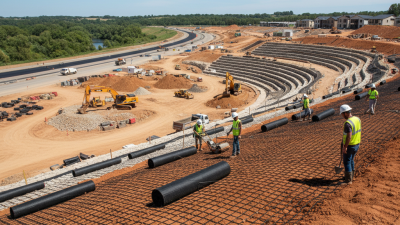
On site, inspect rolls for warped ribs, weak joints, and damaged edges. Lay a sample section over prepared subgrade, then observe gravel spreading and compaction. I have seen strong geogrids fail because workers placed them on uneven, muddy soil. Installation still matters.
Ask about technical support, packaging, storage, and replacement procedures. A perfect spreadsheet cannot represent every field condition. One weakness remains: laboratory results may not predict long-term performance under repeated heavy traffic. Test realistically when the project budget allows.
What Testing and Certifications Confirm Geogrid Performance?
When choosing the best gravel geogrid from China, test evidence matters more than impressive marketing claims. Request an independent laboratory report for every proposed product. The report should identify the material, production batch, test date, and testing method.
Tensile strength and elongation are important, but they do not tell the whole story. ISO 10319 testing can verify tensile behavior in both principal directions. Junction strength testing shows whether the intersections resist opening under load.
Aperture stability testing measures how well the grid holds aggregate during spreading and compaction. For weak subgrades, request pullout and installation-damage data. Creep testing also matters when the road will carry long-term traffic. These results should match the design temperature and expected loading conditions.
Look for a quality system certification, such as ISO 9001, plus current product test reports from an accredited third-party laboratory. A factory audit can confirm calibration, raw-material control, and batch traceability.
Ask for retained samples and compare them with delivered rolls. Small differences can matter. A certificate is not proof of site suitability. It only confirms a defined test or management process.
I have seen reports with excellent tensile values but limited junction evidence. That gap deserves questions.
Confirm the applicable regional standard, installation guidance, and warranty terms before approval. A careful decision uses several test results together, not one attractive number.
How Can You Select the Best Gravel Geogrid for Your Project?
What Is the Best Gravel Geogrid from China?
How Can You Select the Best Gravel Geogrid for Your Project?
Selecting the best gravel geogrid starts with the ground, not the supplier’s catalog. Examine soil strength, drainage, traffic loads, and expected settlement. A soft clay access road needs a different structure from a compacted parking area. Record site conditions carefully. Small details matter.
Compare tensile strength, aperture size, junction performance, and polymer durability. A geogrid should hold aggregate firmly while allowing effective interlock. Large apertures may suit coarse stone, but they can perform poorly with fine gravel. Check whether the material remains stable under ultraviolet exposure, moisture, and repeated loading. Request test reports from an independent laboratory, not only factory data.
Supplier experience also deserves close attention. Ask for production records, raw material information, quality-control procedures, and traceable batch numbers. Request a sample before placing a large order. Test it with your actual aggregate. It may reveal an unexpected mismatch.
Installation guidance is equally important. The grid must lie flat, without folds or damaged sections. Use the specified overlap, cover it promptly, and avoid dragging sharp stone across exposed surfaces. A reliable manufacturer should explain these steps clearly and answer technical questions without vague promises. Price still matters, but a cheaper roll may create higher costs through rutting, repairs, or extra aggregate. I have seen specifications look excellent on paper while field preparation remained inadequate. The product was not the only problem.