Woven Membrane Applications in 2026 How to Choose the Right One?
In the rapidly evolving world of 2026, woven membranes are becoming increasingly significant. Renowned expert Dr. Emily Carter, a leading authority in material science, says, “Choosing the right woven membrane can enhance performance and longevity in various applications.” As industries are expanding, the demand for durable, versatile woven membranes is on the rise.
Selecting the appropriate woven membrane is crucial. Each application requires a unique set of properties. For instance, some membranes focus on filtration, while others prioritize strength or flexibility. Understanding the specific needs of your project can be challenging. Often, companies overlook critical features that could impact functionality.
In this complex landscape, balancing innovation with reliability is key. Experts urge businesses to conduct thorough research. They should consider factors like material composition, environmental conditions, and mechanical properties. The right choice can lead to increased efficiency, but the wrong one can result in costly setbacks. As we approach 2026, the conversation around woven membranes will only grow. It’s time for informed choices that can drive success.

Woven Membrane Overview: Types and Properties for Various Applications
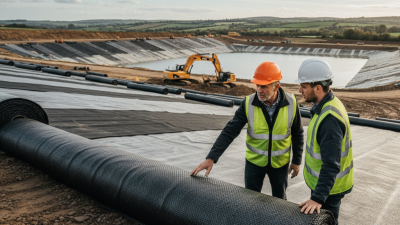
Woven membranes play a vital role in numerous industries. They are widely used in filtration, separation processes, and construction. The properties of woven membranes can vary significantly based on their material composition and structure. This variability affects their compatibility with different applications.
For example, polyester and polypropylene are commonly utilized due to their strength and durability. Studies indicate that polyester woven membranes can withstand extensive use in harsh environments. This makes them ideal for industrial filtration processes where chemical exposure is a concern. Polypropylene, on the other hand, offers excellent moisture resistance, boosting its appeal in construction applications, particularly in breathable roofing systems.
**Tips for Choosing the Right Woven Membrane:**
- Assess the chemical compatibility of the membrane with the environment.
- Consider the mechanical strength required for your specific application.
- Examine the long-term performance data available in industry reports to make informed choices.
Woven membranes must also be selected based on application needs. For instance, their pore size can impact filtration efficiency. Research from relevant industry reports highlights how a smaller pore size enhances particle retention but may lead to increased pressure. Thus, balancing permeability and filtration efficiency is crucial. Reflecting on past experiences can guide future choices while acknowledging that not all selections will yield perfect results.
Woven Membrane Applications in 2026: Types and Properties for Various Applications
| Type of Woven Membrane |
Property |
Common Applications |
Advantages |
Disadvantages |
| Polyester Woven Membrane |
UV Resistant, High Strength |
Tents, Outdoor Structures |
Durable, Lightweight |
Limited Chemical Resistance |
| Polypropylene Woven Membrane |
Chemical Resistance, Water Repellent |
Food Packaging, Medical Applications |
Versatile, Cost-effective |
Less UV Stability |
| Nylon Woven Membrane |
High Flexibility, Abrasion Resistant |
Sports Equipment, Backpacks |
Strong, Lightweight |
Higher Cost |
| HDPE Woven Membrane |
UV Stability, Tear Resistant |
Agricultural Covers, Geotextiles |
Durable, Eco-friendly Options |
Less Breathable |
| PVC Woven Membrane |
Fire Resistant, Waterproof |
Temporary Structures, Tarpaulins |
Weatherproof, Long-lasting |
Heavier, Less Flexible |
Current Market Trends in Woven Membrane Technologies for 2026
As the woven membrane technology field evolves, 2026 is set to bring new trends. Industries are increasingly using woven membranes for various applications. Their versatility in filtration, drainage, and containment is appealing to many sectors. Currently, there is a shift towards eco-friendly materials. This change reflects a growing emphasis on sustainability in product selection.
Market analysis shows a rising demand for high-performance woven membranes. Enhanced strength and durability are critical features that users look for today. Some industries, like construction, prefer membranes that offer waterproofing and breathability. However, selecting the right membrane can be complex. Users often face challenges in understanding technical specifications. Misinterpretation can lead to inefficiency and higher costs. Therefore, professionals should consider consulting experts before making a decision.
Current trends indicate a focus on innovation and cost-effectiveness. Manufacturers are also prioritizing ease of installation. It reduces downtime and labor costs. Nevertheless, some products may not perform well in extreme conditions. This uncertainty emphasizes the need for thorough testing before implementation. As the market grows, staying informed becomes essential for optimal choices.
Key Factors in Selecting Woven Membranes: Durability, Cost, and Performance
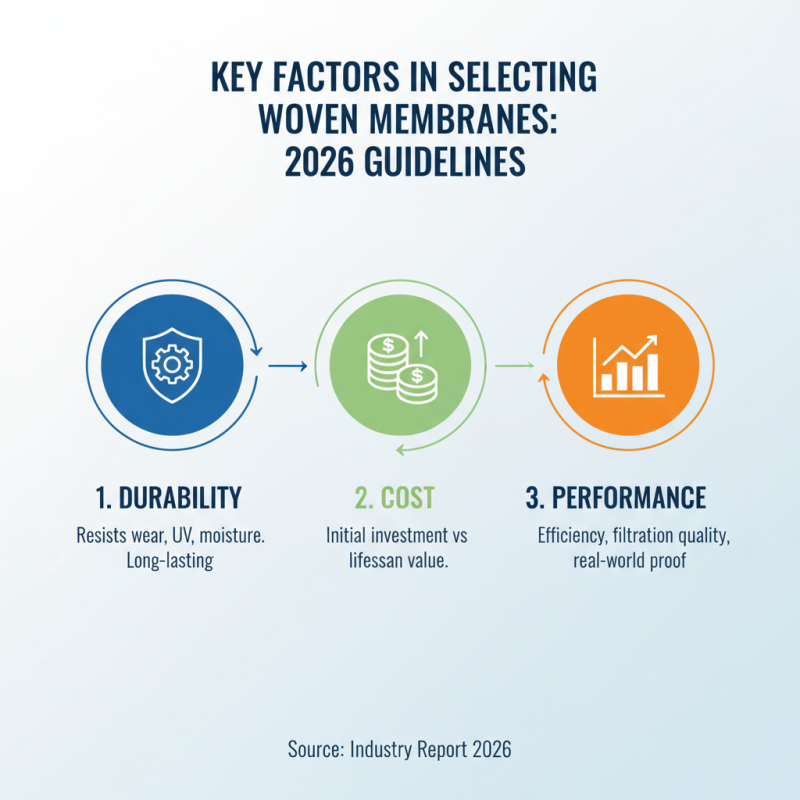
When choosing woven membranes in 2026, consider three vital factors: durability, cost, and performance. Durability ensures that the membrane can withstand environmental challenges over time. Look for fabrics that resist wear, UV exposure, and moisture. Ideally, select materials that have proven longevity in real-world applications.
Cost is a significant consideration. While cheaper options may seem appealing, they often lead to higher expenses later due to frequent replacements or repairs. Assess your budget carefully. A higher initial investment could save money on maintenance and replacements in the long run.
Tips: Always request samples before purchase. Testing durability firsthand can provide invaluable insights. Consult with industry experts to share experiences and suggestions. Performance is equally critical. Evaluate how well the membrane meets specific project requirements, such as breathability and water resistance. Remember that not all membranes are created equal. Each application may demand unique characteristics that must be balanced against your budget and durability needs.
Innovative Applications of Woven Membranes in Industries for 2026
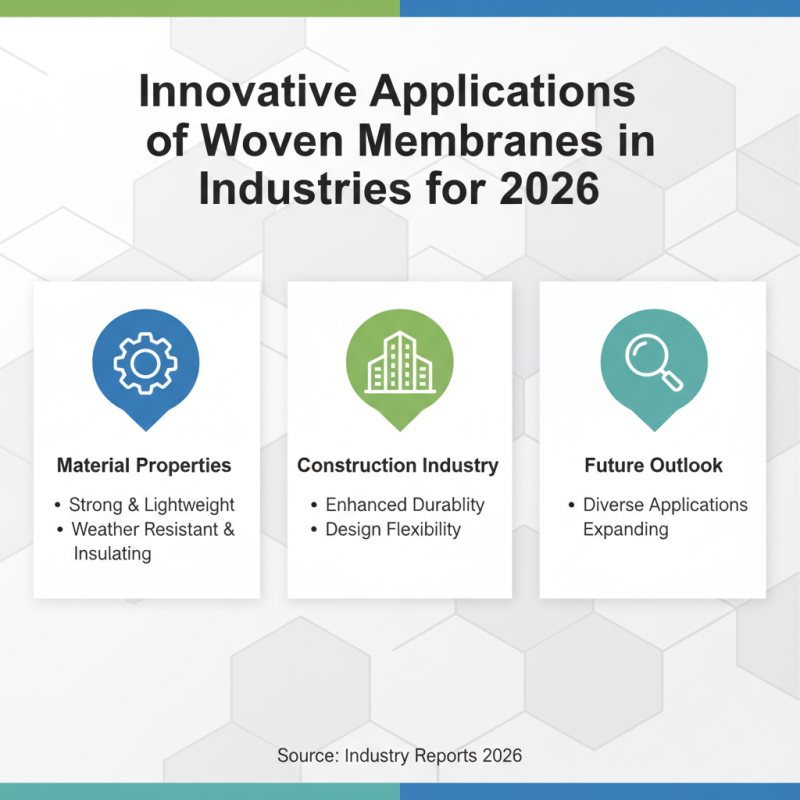
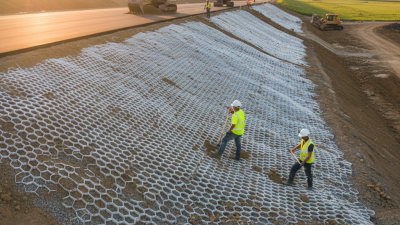
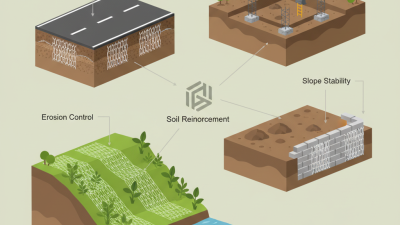
Woven membranes are gaining traction across various industries in 2026. These materials are both strong and lightweight, making them ideal for diverse applications. In construction, they are used in structures to enhance durability and design flexibility. Engineers appreciate their ability to resist weather conditions and provide excellent insulation.
In the medical field, woven membranes play a crucial role. They serve as barriers in surgical applications. Their biocompatibility ensures safety for patients. However, selecting the right woven membrane can be challenging. Factors such as pore size and material composition are vital. Not all options will meet specific needs.
Woven membranes are also essential in filtration processes. In water treatment, they remove contaminants effectively. Yet, the choice might depend on the specific impurities present. Understanding the application context can lead to better decision-making. This reflection on the requirements highlights the importance of precise selection in optimizing performance.
Sustainability and Environmental Impact of Woven Membrane Materials
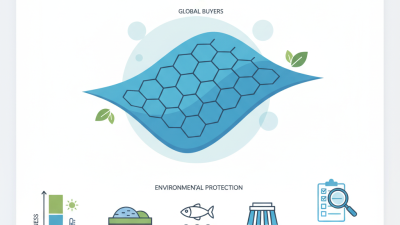
Woven membranes are increasingly recognized for their role in sustainable construction and environmental protection. These materials are lightweight and durable, making them ideal for use in various applications. However, their manufacturing process can impact the environment. Choosing woven membranes that prioritize sustainability is crucial.
For those considering these materials, it's essential to evaluate their lifecycle. Look for membranes made from recycled or easily recyclable materials. Additionally, some woven membranes are biodegradable, reducing long-term waste. This conscious choice aids in minimizing environmental footprints. Always ask about the resource extraction processes and chemical treatments used.
Tips for selection: Check the certifications related to sustainability. Consult with experts to assess the environmental impact of different woven membranes. Additionally, think about the specific application to ensure the chosen membrane meets both functional and ecological needs. Make informed choices to support a sustainable future.