2026 Best Plastic Geogrid Solutions for Global Buyers?
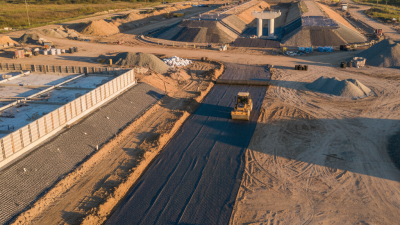
Plastic Geogrid plays a crucial role in modern civil engineering and construction projects. This innovative material is designed to reinforce soil and improve load distribution. According to a recent market report from Grand View Research, the global geogrid market is expected to reach $5.8 billion by 2026, driven by rising infrastructure investments.
These developments highlight the growing relevance of Plastic Geogrid in applications such as road construction and hillside stabilization. Its lightweight nature and exceptional tensile strength make it an appealing choice for engineers. However, not all Plastic Geogrid products offer the same durability and performance. Buyers must navigate a variety of suppliers and material grades to find reliable solutions.
Industry professionals emphasize the importance of understanding material specifications and environmental impact. Partnerships with well-regarded manufacturers can lead to safer, more effective projects. Select cases show that improper use or low-quality products can lead to project failures. As interest in sustainable construction grows, selecting the right Plastic Geogrid will become even more essential for global buyers.
Overview of Plastic Geogrids and Their Applications
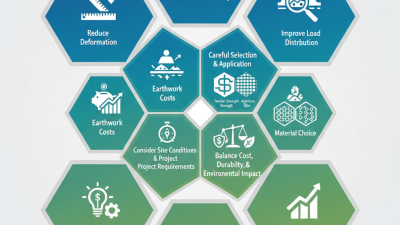
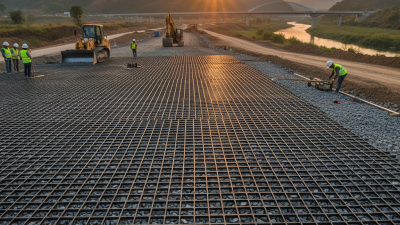
Plastic geogrids are essential in modern engineering. They add strength to soil structures. Often used in road construction, they enhance load distribution. This helps prevent ground movement and erosion.
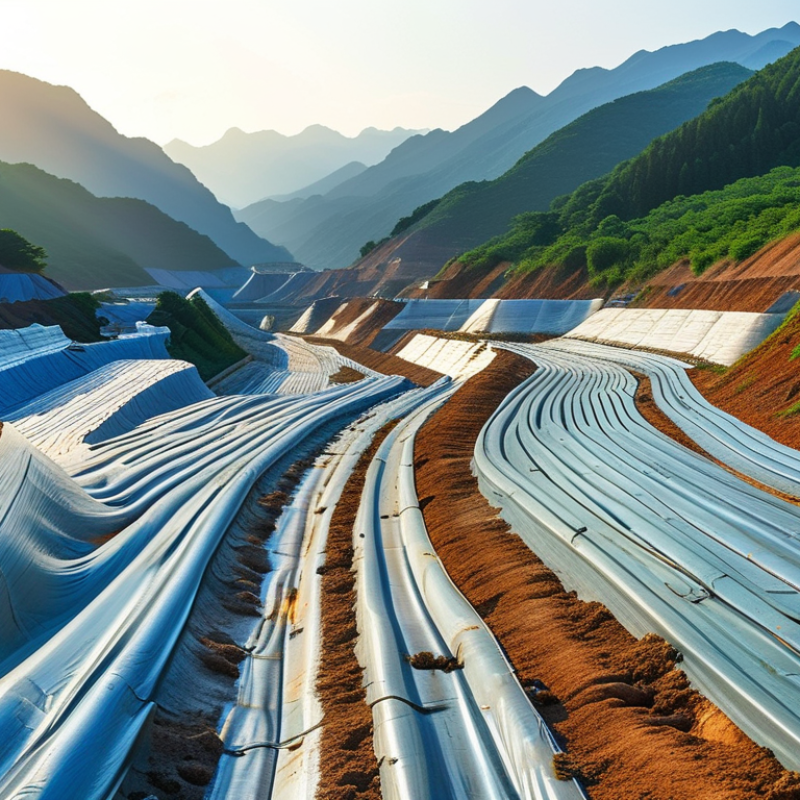
These grids are ideal for retaining walls and slopes. They provide stability and can support significant weight. Their design allows for easy installation, making them cost-effective. Engineers appreciate their durability and resistance to chemical degradation.
However, not all projects may require geogrids. Overusing them can lead to unnecessary costs. It's crucial to assess site conditions first. Effective usage ensures long-term benefits while minimizing waste.
Key Features and Advantages of Plastic Geogrids
Plastic geogrids have gained popularity in construction and civil engineering. They provide significant reinforcement for soil and can enhance stability in various applications. Recent studies indicate that using plastic geogrids in road projects can reduce settlement by up to 50%. This reduction in settlement leads to lower maintenance costs over time. Their lightweight nature also simplifies handling and installation.
A key feature of plastic geogrids is their high tensile strength. This strength allows them to resist deformation under heavy loads. Additionally, they are resistant to chemicals and UV radiation. This resilience contributes to their long lifespan. A report from the Geosynthetic Institute highlights that plastic geogrids can extend the life expectancy of road structures by over 15 years. These advantages make them a go-to solution for many engineers.
Tips: Consider the project requirements before selecting a geogrid type. Each project is unique. Testing the soil conditions can help optimize the geogrid selection. Understanding local regulations can also influence the choice of materials. It's crucial to keep in mind that while plastic geogrids offer many benefits, improper installation can lead to failures. Always consult with experts when in doubt.
Top Manufacturers and Brands in the Plastic Geogrid Market
The plastic geogrid market is evolving rapidly, driven by its applications in soil stabilization and reinforcement. According to industry reports, the global plastic geogrid market is expected to reach a valuation of approximately $1 billion by 2026, growing at a compound annual growth rate (CAGR) of 6.3%. This growth highlights the increasing demand for innovative engineering solutions worldwide.
Top manufacturers in this sector offer a range of products with varying properties and specifications. High-density polyethylene (HDPE) and polypropylene (PP) are common materials used, showcasing durability and flexibility. Some studies suggest that HDPE geogrids can reduce construction costs by up to 30% while improving load distribution. However, challenges remain in ensuring these materials perform reliably under extreme conditions.
Market players focus on advanced manufacturing techniques to enhance product performance. Still, the industry faces scrutiny regarding recyclability and environmental impact. As buyers become more conscious, the need for sustainability in materials cannot be ignored. Research indicates that only 22% of plastic geogrids are currently recyclable, revealing a significant area for improvement. Ultimately, the balance between performance, cost-efficiency, and eco-friendliness will define the market landscape in the coming years.
Market Trends and Innovations in Plastic Geogrid Technology
The plastic geogrid market is evolving rapidly as new technologies emerge. Innovations focus on enhancing durability and performance. Manufacturers are creating geogrids that can withstand harsh environmental conditions. These materials offer better soil stabilization and load distribution, which are critical in construction projects.
Recent trends show increased use of recycled materials in geogrid production. This shift aligns with global sustainability goals. However, challenges persist. Not all recycled geogrids meet the strength requirements for demanding applications. Engineers must carefully evaluate these products. They need to ensure they can handle specific loads while maintaining integrity over time.
Additionally, advancements in manufacturing techniques improve the precision and quality of geogrids. 3D printing and smart technologies are being explored. Though promising, these methods are still in the experimental stages. The industry must address quality control issues before widespread adoption. As buyers seek reliable solutions, ongoing research and development are crucial in shaping the future of plastic geogrids.
Buying Guide for Global Buyers: Choosing the Right Plastic Geogrid
When selecting the right plastic geogrid, buyers should focus on their specific project needs. Consider the application: soil stabilization, erosion control, or reinforcement. Each application requires different types of geogrids, affecting performance and durability. It's beneficial to assess project conditions, such as soil type and load requirements, to make informed choices.
Material quality is crucial in evaluating plastic geogrids. High-quality geogrids typically exhibit better strength and longevity. This can translate to cost savings over time. Inspect certifications and test results to ensure reliability. It’s important to reflect on the installation process as well. Proper installation can significantly impact effectiveness. Many overlook this aspect, leading to suboptimal results.
Checking reviews and seeking expert opinions can offer valuable insights. However, be cautious of biased information. Analyzing various sources can provide a balanced view. Transparency in a supplier’s offerings indicates credibility. Solid references and case studies can support their claims. Always question the manufacturer's experience and reputation.
2026 Best Plastic Geogrid Solutions for Global Buyers
| Material Type |
Tensile Strength (kN/m) |
Width (m) |
Application Area |
Recommended Thickness (mm) |
Environmental Resistance |
| Polyester |
30 |
2.0 |
Road Construction |
4 |
UV Resistant |
| Polypropylene |
25 |
1.5 |
Landfill Lining |
3 |
Acid/Alkali Resistant |
| High-Density Polyethylene |
35 |
1.0 |
Reinforced Slopes |
5 |
Temperature Resistant |
| Fiberglass |
40 |
2.5 |
Subgrade Stabilization |
6 |
Biodegradable Option |