Choosing a Geogrid Fabric supplier in 2026 involves more than comparing prices. Road bases, retaining walls, slopes, and soft-ground projects place different demands on reinforcement. A product suited to a lightly used access road may not meet the needs of a heavily loaded embankment. Buyers should compare polymer type, aperture geometry, tensile strength, creep performance, and installation guidance. Request current test reports and traceable product data. Small details matter. Roll dimensions, packaging, lead times, and replacement stock can affect site schedules as much as the quoted cost. Some listings use Geogrid Fabric loosely, so confirm whether the product is a geogrid, geotextile, or composite.
This guide introduces suppliers for global buyers and explains practical points for building a useful shortlist. It considers product range, technical documentation, manufacturing consistency, delivery options, and access to engineering support. Requirements differ by project and region, so no single supplier is best for every application. Check that product claims match the design specification, and verify applicable standards with the project engineer. A polished brochure helps, but it cannot replace test evidence or clear answers about installation. Even a careful comparison can miss details; confirm current prices, availability, and service terms directly before ordering. That extra step may feel slow, yet it can prevent costly surprises on site.

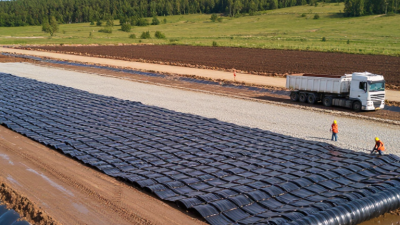
Geogrid fabrics are open polymer grids designed to reinforce soil and aggregate. Their ribs interlock with crushed stone, helping spread traffic loads and limit lateral movement. In a road base, that can mean less rutting beneath a loaded truck. Unlike many geotextiles, geogrids mainly provide reinforcement; they are not automatically a drainage or filtration layer. Results depend on soil, aggregate, installation, and design.
A useful reference is the Federal Highway Administration’s 2011 Geosynthetic Reinforced Soil Integrated Bridge System Interim Implementation Guide. It reports project cost savings of 25–60% compared with conventional bridge construction. That figure applies to the complete GRS-IBS system, not to geogrid fabric alone, and should not be treated as a guaranteed saving on every site. Small details matter. A poorly compacted lift or unsuitable grid aperture can weaken the intended interaction. Field conditions rarely match a clean diagram perfectly.
Tips: Check the design method, grid tensile properties, aperture compatibility, and installation requirements together. Ask for test data relevant to your soil and aggregate, not just a headline strength value. Also inspect overlaps and placement during construction. Those details are easy to overlook.
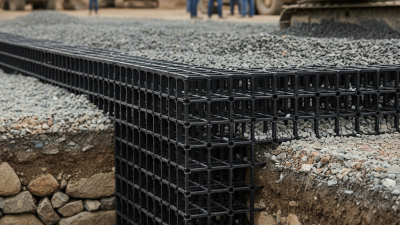
Geogrids are open, polymeric structures that reinforce soil through mechanical interlock. Uniaxial grids provide strength mainly in one direction, making them common in retaining walls and steep slopes. Biaxial and triaxial grids distribute loads across multiple directions and are often used beneath roads, railways, and working platforms. Typical materials include polypropylene, high-density polyethylene, and polyester; selection depends on load direction, soil chemistry, temperature, and long-term creep resistance.
Direction matters. A grid laid incorrectly may offer less reinforcement than its label suggests. The Federal Highway Administration’s 2011 Geosynthetic Reinforced Soil Integrated Bridge System guide reports potential cost savings of about 25% and construction-time reductions of about 30% for that system compared with conventional bridge approaches. These figures describe a specific construction method, not every geogrid project. Real sites vary. Subgrade strength, drainage, aggregate size, and installation quality all affect performance. The weak point is often field execution: a folded edge or poorly compacted lift can undermine an otherwise sound design. Small details matter.
Evaluating geogrid fabric suppliers in 2026 means checking performance evidence, not polished brochures. The FHWA’s Geosynthetic Design and Construction Guidelines (2008) identifies installation damage, creep, and durability as design considerations. Ask for test reports covering these factors, plus tensile strength, elongation, and junction strength. ASTM D6637 measures geogrid tensile properties; compare results only when specimens and test conditions match. A higher headline strength alone proves little.
Request traceable batch records and a sample roll before approving a large order. Check the roll label against its certificate: polymer type, aperture size, width, production date, and test values should agree. ASTM D4355 data can help assess ultraviolet resistance, especially when rolls may wait outdoors. Confirm delivery schedules, packaging, and how damaged goods are handled. Small details matter. A missing batch number can make later checks difficult. Still, paperwork can mislead; independent testing of a production sample is worth considering. A supplier that explains test methods, tolerances, and limitations clearly is easier to assess than one offering only a “premium” claim.
Use this supplier-evaluation checklist to compare documentation and product suitability. It contains no company rankings or supplier-specific performance claims; required values should come from the project specification and verified test reports.
| Evaluation Dimension | What to Request from the Supplier | Relevant Test Method or Reference | How to Evaluate |
|---|---|---|---|
| Product type and application | Product datasheet stating whether the geogrid is uniaxial, biaxial, or another grid configuration; polymer type; intended function; and proposed application. | Project design documents and the applicable geosynthetic product specification. | Confirm that the product configuration and stated function match the design. Do not treat geogrid and geotextile as interchangeable products. |
| Tensile properties | Test report identifying tensile strength, strain at specified load or at break, specimen direction, test rate, and test conditions. | ASTM D6637 for geogrid tensile properties; ISO 10319 where specified and appropriate to the product and project. | Compare results using the same test method, direction, and reporting basis as the project specification. There is no single tensile-strength value suitable for every application. |
| Junction strength | Test results for the strength of the connections between ribs, with the product identification and test conditions stated. | ASTM D7737, Standard Test Method for Individual Geogrid Junction Strength. | Check the reported result against the project requirements and confirm that the report relates to the offered product, not a different product grade. |
| Soil interaction and pullout | Pullout data or project-specific test results where reinforcement-soil interaction is important, including the tested soil and test setup. | ASTM D6706, Standard Test Method for Measuring Geosynthetic Pullout Resistance in Soil. | Assess the relevance of the tested soil and installation conditions to the project. Do not assume results transfer unchanged to different soils. |
| Installation damage | Evidence or project-specific data on the product’s retained properties after installation exposure, if required by the design. | ASTM D5818, Practice for Exposure and Retrieval of Samples to Evaluate the Installation Damage of Geosynthetics. | Verify that the evaluation reflects the specified aggregate, placement, and compaction conditions. Apply any reduction factors required by the project design. |
| Chemical compatibility | Material composition and supporting compatibility information for the soil, groundwater, or other chemical exposure identified in the project. | ASTM D5322 provides procedures for exposure of geosynthetics to chemical liquids; the project should specify the relevant exposure conditions. | Use conditions representative of the site and obtain engineering review where exposure could affect long-term performance. |
| Quality management and traceability | Quality-management-system documentation, product identification, lot or batch traceability, inspection records, and a process for handling nonconforming product. | ISO 9001 certification may support assessment of the supplier’s quality-management system. | Check the certificate’s validity and scope. A quality-system certificate is not, by itself, proof that a specific product meets project performance requirements. |
| Test-report reliability | Complete reports showing the tested product, sample identification, test method and edition, results, date, and testing laboratory. | Relevant ASTM or ISO method named in the project specification; laboratory accreditation may be checked for the applicable test scope. | Confirm that reports are current and traceable to the offered product. Review whether the laboratory’s accreditation covers the relevant test. |
| Production and delivery capability | Written confirmation of available production capacity, order quantity, manufacturing location, packaging, shipping terms, and proposed delivery schedule. | Purchase specification, delivery plan, and shipment documentation. | Evaluate capacity and lead time against the project programme; request written confirmation rather than relying on general capability statements. |
| Technical support and documentation | Installation guidance, handling and storage instructions, product datasheets, and access to technical support for project-specific questions. | Project specification and installation documentation supplied with the product. | Check that the documentation is consistent with the offered product and that technical questions can be addressed before procurement and installation. |
Note: Geogrid requirements vary by design, soil conditions, installation method, and destination market. The cited standards describe test methods or management-system requirements; they do not establish universal acceptance thresholds. Confirm applicable editions and project-specific criteria before purchase.
Leading geogrid fabric suppliers serving global markets do more than ship rolls. They help buyers match grid structure, tensile strength, and aperture size to soil conditions and project loads. A road embankment over soft ground may need different reinforcement from a retaining wall. Details matter. Ask suppliers for current test reports, product data sheets, and clear installation guidance. Check that reported values align with the project specification, rather than comparing headline strength alone.
Reliable suppliers also make communication and delivery easier across borders. Confirm production capacity, roll dimensions, labeling, packing, and estimated transit time before placing an order. For large projects, request samples and discuss how the material will be stored and installed on site. Technical support should answer practical questions, not just send a catalogue. Still, no checklist catches everything. I would also ask how product consistency is monitored between batches; this detail can be overlooked when schedules are tight. A supplier’s willingness to explain limitations, testing methods, and suitable applications offers a useful sign of professional care. That takes time. But clear answers early can prevent costly misunderstandings later.
Typical tensile-strength specification ranges by application (kN/m)
Indicative industry ranges for comparing geogrid requirements across common applications. Actual specifications depend on the project design, material, test method, and site conditions; confirm requirements with a qualified engineer.
For global buyers, supplier selection starts with the project, not a catalogue. Identify the soil conditions, load requirements, installation method, and expected service life. Then compare products by polymer type, aperture size, tensile strength, and junction performance. A roll may look suitable, yet perform differently after exposure to heat, moisture, or sustained loading. Details matter.
Standards help make comparisons more reliable, but test results need context. Ask suppliers which test methods they use and request current reports linked to the exact product grade. Check roll dimensions, batch identification, storage guidance, and quality-control records. For long-term projects, review creep resistance and durability data, not just short-term tensile strength. Local specifications may differ. Confirm requirements with the project engineer before ordering; paperwork alone cannot resolve every site risk.
Tips: Request samples and inspect the junctions, edges, and roll consistency. Compare lead times, packaging, and shipping plans alongside technical data. Keep written answers on file. One detail is easy to miss: a technically compliant product can still create delays if its documentation arrives late.