How to Choose the Best Plastic Geogrid for Your Project?
Choosing the best Plastic Geogrid for your project is crucial. This decision can greatly impact structural integrity, soil stability, and cost-effectiveness. Understanding the varying types of geogrids and their specific applications requires expertise. Different projects may demand unique features from the geogrid, such as tensile strength or compatibility with soil types.
Before making a choice, it is vital to analyze project requirements thoroughly. Factors like load-bearing capacity and environmental conditions play significant roles. The market offers various options, each with different specifications and benefits. However, it's essential to remember that not every option will suit every need.
Reflecting on past projects can provide valuable insights. Some choices may have led to unforeseen challenges, highlighting the need for careful consideration. By evaluating experiences and consulting industry experts, you can ensure a well-informed decision. Selecting the right Plastic Geogrid is not just about availability; it’s about finding the best fit for your specific needs.
Understanding the Basics of Plastic Geogrids
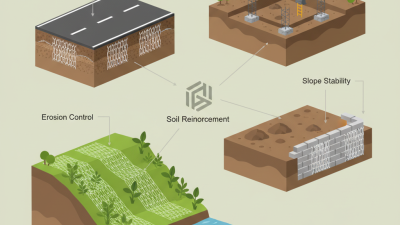
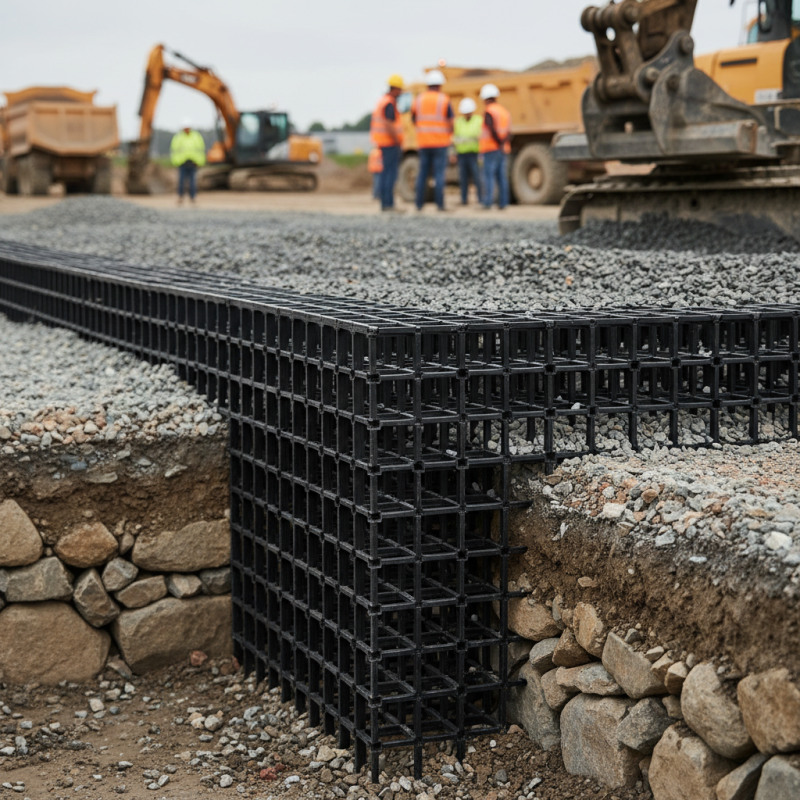
When selecting a plastic geogrid, understanding its fundamental characteristics is crucial. Plastic geogrids are typically constructed from polymer materials, making them strong yet lightweight. They serve various purposes, such as soil reinforcement and slope stabilization in civil engineering projects. Notably, their design includes a network of interconnected ribs, which provide exceptional support for both horizontal and vertical loads.
It’s essential to consider the application environment when choosing a geogrid. Soil type, moisture levels, and load requirements influence performance. Testing the geogrid’s compatibility with local soil can yield insights. For example, certain geogrids perform better in cohesive soils, while others are suitable for granular substrates. Some projects may require more robust geogrids due to harsh conditions.
Moreover, do not overlook installation factors. Improper installation could lead to performance issues. Always take time to review installation guidelines. Engaging with knowledgeable professionals can provide valuable insights. While many manufacturers share best practices, always be wary of relying too heavily on generic recommendations. Personal experience and site-specific data are invaluable in making the best choice for your project.
Factors to Consider When Selecting a Plastic Geogrid
When selecting a plastic geogrid, several factors come into play. Understanding the specific requirements of your project is crucial. For instance, the load-bearing capacity of the geogrid should match the anticipated soil conditions and traffic loads. Consider the installation environment, as different geogrids are suited for various applications, from road construction to slope stabilization.
Material composition is another aspect worth examining. Plastic geogrids are often made from high-density polyethylene (HDPE) or polypropylene. The choice of material affects durability and resistance to environmental factors. For instance, exposure to UV light can degrade certain types of plastic over time. Not all geogrids will perform equally under these conditions, which is something that deserves attention.
Another critical element is the rib structure of the geogrid. The design impacts its tensile strength and overall performance. A grid with larger openings may facilitate drainage but could compromise stability. Balancing these factors requires careful thought. An experienced consultant can provide valuable insights, but ultimately, the choice rests on understanding your unique project needs and constraints. Paying attention to these details can lead to a more successful application.
Comparison of Factors for Selecting Plastic Geogrids
Types of Plastic Geogrids and Their Applications
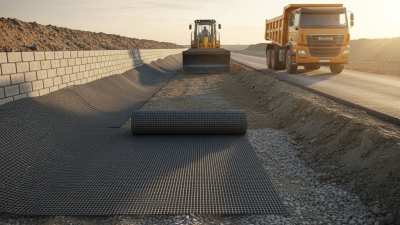
Plastic geogrids come in various types, each suited for specific applications. Uniaxial geogrids are often used in retaining walls and slope stabilization. They provide high tensile strength in one direction, making them ideal for applications requiring significant load support. On the other hand, biaxial geogrids have equal strength in both directions. This characteristic allows them to effectively distribute loads in road construction and subgrade stabilization.
Woven geogrids offer excellent durability and are excellent for use in subsoil reinforcement. They are often applied in situations where soil conditions are less stable. Non-woven geogrids, while typically used in erosion control projects, may not offer the same load-bearing capacity. Their porous nature allows water to flow through easily, which can be beneficial in certain contexts. Understanding the strengths and weaknesses of each type is crucial for effective project planning.
Sometimes, users may select the wrong type unintentionally. It’s essential to assess soil conditions and project requirements carefully. Consider real-world examples to inform choices. Tests and real-world applications can help refine understanding. Ensuring the correct application of geogrids can drastically impact long-term performance and sustainability.
Evaluating Performance Characteristics of Geogrids
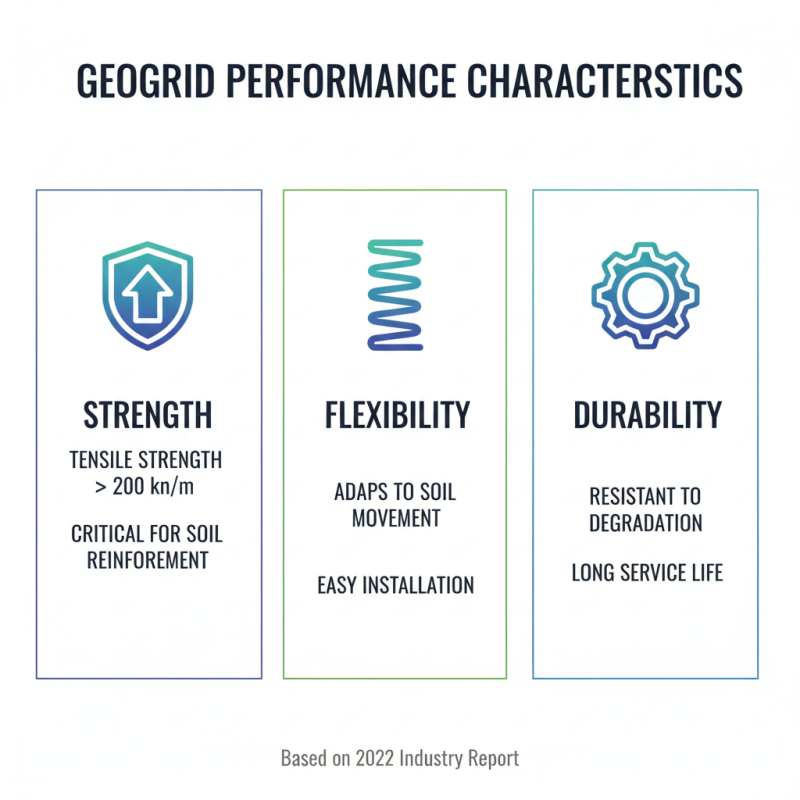
When evaluating the performance characteristics of plastic geogrids, several factors come into play. Strength, flexibility, and durability are critical. The tensile strength of a geogrid significantly influences its performance in soil reinforcement. According to a 2022 industry report, geogrids with a tensile strength of over 200 kN/m perform exceptionally well under load conditions.
Another important characteristic is UV resistance. Geogrids exposed to sunlight can degrade, leading to reduced performance. Studies show that geogrids with enhanced UV stabilization can maintain their structural integrity for up to 25 years. This longevity is essential for projects requiring prolonged support without frequent replacements.
It's also worth considering the specific application of the geogrid. For example, applications in slope stabilization may require different attributes compared to those used for road construction. A mismatch in selection can lead to structural failures. Therefore, understanding the project requirements is crucial for selecting the right type of geogrid. Reflection on data from geotechnical assessments can guide informed choices to meet project goals effectively.
Best Practices for Installation and Use of Plastic Geogrids
When installing plastic geogrids, proper preparation is crucial.
Soil conditions and load requirements should be assessed.
Research from the Federal Highway Administration indicates that poorly installed geogrids lead to 20% more failures in road construction.
Understanding local soil types aids in selecting the right geogrid.
Adequate tensioning during installation is essential.
If geogrids are too loose, they cannot effectively distribute loads.
An analysis by the Geosynthetic Institute shows that 15% of projects suffer due to improper tension levels.
Field tests highlight that following manufacturer guidelines enhances performance significantly.
Regular monitoring post-installation is vital.
Data from industry studies suggest that 30% of users neglect this step.
Without regular checks, issues like soil erosion may arise.
Engaging in continuous evaluation helps ensure long-term stability and reliability of the project.