China Top Geotech Fabric Suppliers for Global Buyers

Choosing a Geotech Fabric supplier is not just a price comparison. The right material must suit the soil, water flow, installation method, and expected loads. A roll that looks similar on a product sheet may perform differently in a wet subgrade or under sharp aggregate. Small details matter.

Geosynthetics expert Robert M. Koerner describes geosynthetics as “planar products manufactured from polymeric material used with soil, rock, earth, or other geotechnical engineering related material as an integral part of a man-made project, structure, or system.” That definition points buyers toward function, not appearance. This guide examines China’s leading suppliers for global buyers, including their product ranges, manufacturing experience, quality documentation, customization options, and export support. It also considers practical questions: Can the supplier provide consistent test data? Are production samples available? How clearly are delivery times and technical limits explained? Look beyond the brochure.

No shortlist is perfect. Published specifications may not answer every site-specific question, and buyers should verify claims with current documents and project requirements. A careful comparison can still narrow the field. The aim is to help engineers, contractors, and procurement teams identify manufacturers worth evaluating, while keeping performance and traceability at the center of the decision.
China Top Geotech Fabric Suppliers for Global Buyers

What Geotechnical Fabrics Are and How They Are Used

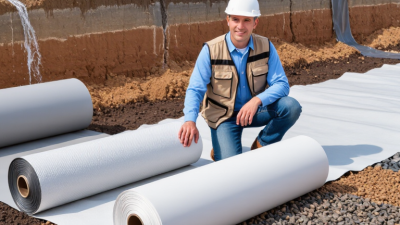
Geotechnical fabrics are permeable engineered textiles placed in contact with soil, aggregate, or water. Most are woven or nonwoven polymers designed for strength, filtration, separation, drainage, or erosion control. The name sounds simple. The job is not. Beneath a gravel road, a fabric can separate soft subsoil from the stone layer while allowing water to pass. This helps limit soil mixing and maintain the road surface.

In a drainage trench, suitable geotextile can retain fine soil while water flows toward a perforated pipe. Along a bank, it may help reduce soil loss beneath rock protection. Performance depends on pore size, water flow, tensile strength, puncture resistance, and installation conditions. There is no universal fabric. Soil gradation and site conditions should guide selection, along with project specifications and test data. A fabric suited to clean sand may clog in silty soil. Even careful designs can miss field realities. Wrinkles, sharp stones, or poorly joined seams can compromise performance. Inspect the prepared ground, keep rolls clean, and place aggregate without dragging it over exposed fabric. Small details matter.

How China’s Geotextile Supplier Market Is Structured

China Top Geotech Fabric Suppliers for Global Buyers

How China’s Geotextile Supplier Market Is Structured

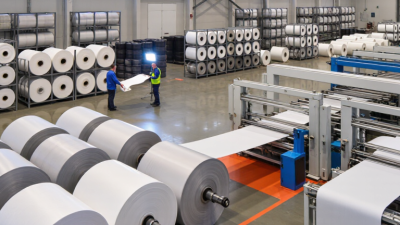
China’s geotextile market includes direct manufacturers, export-focused trading companies, and businesses that combine production with sales. Their roles can look similar online, but their capabilities differ. A factory may weave or needle-punch fabric in-house, while sourcing other products from partner mills. Trading companies can offer a broader selection, though buyers may have less visibility into production.

The product range often includes woven and nonwoven geotextiles made from polypropylene or polyester. Each structure suits different site conditions. For example, a civil engineer may specify nonwoven fabric for filtration beneath drainage gravel, while a woven option may be considered for separation on a soft access road. Details matter. A quoted fabric weight alone does not confirm strength, permeability, or puncture resistance.

Supplier evaluation should go beyond a catalogue. Ask who manufactures each item, which tests are performed, and whether reports match the quoted specification. Check roll width, core diameter, packaging, sample availability, and production lead time. These details affect installation and delivery planning. Some listings leave them unclear, and that is worth questioning. Specifications can also vary between batches, so request written tolerances and confirm them before placing a large order. A neat quotation is useful, but it is not proof of consistent quality.

What Global Buyers Should Check When Evaluating Suppliers

Global buyers comparing China-based geotextile suppliers should begin with the site conditions, not a catalogue grade. Grand View Research estimated the global geosynthetics market at USD 13.2 billion in 2023. A large market makes supplier claims harder to compare. Request product-specific test reports for tensile strength, puncture resistance, apparent opening size, and permittivity. Confirm that each result matches the polymer, mass per unit area, and production lot. Paper is not performance.

Check traceability and quality control. Ask for recent independent test reports using recognized ASTM or ISO methods, plus roll labels linking each batch to its production date and line. FHWA’s Geosynthetic Design and Construction Guidelines emphasize matching material properties to project functions and construction conditions. A certificate alone cannot show how fabric will withstand installation. Look closely. Review sample rolls, packaging, and loading photos, not only polished PDFs.

Before placing a large order, verify lead times, replacement procedures, export packing, and responsibility for failed tests. The World Bank’s 2023 Logistics Performance Index covered 139 economies and tracks factors including shipment reliability and tracking. These issues matter when a delayed roll can hold up site work. A low quote can still be costly. I would question my own shortlist if every supplier reports identical results; consistency is good, but copied paperwork is not evidence of consistent manufacturing.

How to use this chart: These suggested weights are an illustrative buyer-evaluation framework, not market-survey results or universal requirements. Adjust them to the application and project specification. Verify product properties with relevant test reports, such as ASTM D4632 for grab tensile strength, ASTM D6241 for puncture resistance, ASTM D4751 for apparent opening size, ASTM D4491 for permittivity, and ASTM D4355 for UV resistance.

How to Compare Chinese Geotextile Manufacturers

Comparing Chinese geotextile manufacturers takes more than checking price per square metre. Grand View Research’s Geotextiles Market Size, Share & Trends Analysis Report estimates the global market reached USD 8.2 billion in 2023, with projected annual growth of 6.4% from 2024 to 2030. That growth makes supplier capacity relevant, but a large factory does not automatically mean consistent rolls. Ask for recent production records, batch traceability, and test results tied to the exact product grade.

Compare technical data against your project specification. Check mass per unit area, tensile strength, puncture resistance, apparent opening size, and water flow. ISO 10319 provides a wide-width tensile test method; ASTM D4751 measures apparent opening size. Request reports from an independent laboratory, and confirm the tested sample matches the material being quoted. Small details matter. A different polymer blend or needle-punching density can change performance.

Then look beyond the PDF. Review how the supplier controls raw materials, roll dimensions, packaging, and defect handling. Ask to inspect a production lot, including its labels and edge finish. A trial shipment can reveal issues that a polished sample hides. I would not judge a factory from one visit alone; records and repeat orders matter more. Still, buyers can overfocus on paperwork and miss whether the fabric suits their soil, drainage conditions, and installation method.

China Top Geotech Fabric Suppliers for Global Buyers - How to Compare Chinese Geotextile Manufacturers
Comparison dimension What to compare Evidence to request Relevant test method or reference Why it matters
Product type and application Confirm whether the offered geotextile is woven or nonwoven and whether it is intended for separation, filtration, drainage, protection, or reinforcement. Product data sheet, intended-use statement, and project-specific technical proposal. ISO 10318-1 provides terminology for geosynthetics and related products. Different functions require different combinations of tensile strength, permeability, opening size, and durability.
Mass per unit area Compare the declared value and the permitted production tolerance for the specified product. Test report showing sample identification, measured results, test date, and method. ISO 9864: geosynthetics—test method for the determination of mass per unit area of geotextiles and geotextile-related products. Mass is a useful product-identification and consistency measure, but it does not replace performance testing.
Thickness Check thickness at the stated pressure and confirm that the reported test conditions match the project specification. Test report with the applied pressure and measured thickness. ISO 9863-1: determination of thickness at specified pressures. Thickness can affect handling and the product’s behavior in filtration, drainage, or protection applications.
Tensile properties Compare tensile strength and elongation in the required direction or directions, using the specified test configuration. Current test report for the offered product, including specimen direction and test method. ISO 10319: wide-width tensile test for geosynthetics; ASTM D4595 is another wide-width tensile test method for geotextiles. Relevant tensile performance helps assess resistance to installation stresses and in-service loading.
Water permeability Compare the required flow-through-water result and ensure the units, test direction, and test conditions are clearly stated. Test report stating the measured value and method used. ISO 11058: determination of water permeability characteristics normal to the plane, without load. Permeability is important when water must pass through the geotextile, such as in filtration and drainage applications.
Opening size and filtration compatibility Check the characteristic opening size against the project’s soil-retention and water-flow requirements. Test report identifying the measured opening-size result and method. ISO 12956: determination of the characteristic opening size of geotextiles; ASTM D4751 is a method for apparent opening size. Opening size helps evaluate whether a product is suitable for a specified soil and filtration design; it should not be selected in isolation.
Sampling and traceability Confirm that tested samples represent the product and production lot being offered. Sample identification, lot or batch reference, sampling record, and linked test documentation. ISO 9862: geosynthetics—sampling and preparation of test specimens. Clear traceability makes test results more useful for procurement review and quality control.
Quality documentation Review whether the supplier can provide a consistent product specification, inspection records, and lot-linked certificates or reports. Quality-system documentation, inspection plan, product specification, and recent test reports. Evaluate documentation against the buyer’s project specification and applicable contract requirements. Documented controls help buyers check consistency; certificates should be verified for scope, validity, and relevance to the supplied product.
Export and delivery readiness Compare quoted roll dimensions, packaging, labeling, shipment terms, lead time, and required export documents. Written quotation, packing details, production schedule, and a document checklist agreed before ordering. Confirm requirements in the purchase contract and destination-market import rules. Clear commercial and logistics details reduce the risk of specification mismatches and shipment delays.

Buyer note: The standards listed are test-method or terminology references, not supplier rankings or product certifications. Compare results only when the product, sampling, test conditions, and units are comparable; confirm project acceptance criteria with the design specification.

How to Source Geotextiles for International Projects

Sourcing geotextiles for an international project starts with the ground, not a supplier’s product list. Share the soil report, drainage plan, installation method, and expected loads. A woven fabric used for separation may not suit filtration around a drainage trench. Ask suppliers to explain how the proposed product fits the project’s conditions. Clear reasoning matters as much as a data sheet.

Compare technical documents carefully. Check tensile strength, elongation, puncture resistance, permeability, and roll dimensions against the project specification. Request recent test reports and confirm the testing methods match your requirements. Ask for a sample and inspect its weave, edges, and labeling. Then confirm production lead time, packing details, and shipping terms in writing. A spreadsheet can look reassuring, but it cannot show every handling issue. No checklist catches everything.

Tips: Keep one specification sheet for all quotations. Ask how rolls will be protected from moisture and abrasion during transit. Confirm whether replacement stock is available if quantities change. Get installation guidance before shipment, not after the rolls reach site. A small detail can become a costly delay.