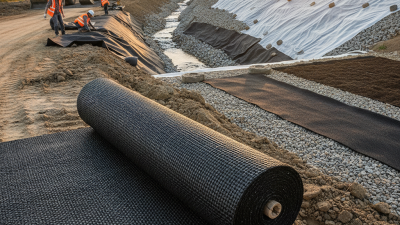
How to Choose the Right Geotech Fabric?

Choosing the right Geotech Fabric begins with understanding the site, not browsing product catalogs. Soil type, water movement, loading, installation conditions, and long-term exposure all influence the decision. A fabric that performs well beneath a gravel road may fail beside a drainage channel. The difference can be a small mistake in design.

Dr. Robert M. Koerner, a leading geosynthetics educator and founder of the Geosynthetic Research Institute, expressed a practical principle: “Design must come before product selection.” That idea guides this introduction. The right Geotech Fabric should match its intended function, such as separation, filtration, drainage, reinforcement, or erosion control. Each function requires different strength, opening size, permeability, and durability.

Look closely at the ground. Soft clay may require stronger separation and reinforcement. Clean drainage stone needs a fabric that allows water through while retaining fine soil particles. On a windy installation day, a lightweight roll may shift, crease, or tear before burial. Small details matter.

No checklist is perfect.

Field experience should support laboratory data, not replace it. Engineers should review manufacturer test results, project specifications, seam requirements, and expected service conditions. They should also consider installation quality, because even excellent fabric can underperform when poorly placed.

This guide will examine the questions behind a reliable selection. It will compare material types, explain key performance properties, and identify common selection errors. Some projects still rely on habit. That approach deserves another look. A careful choice can protect the structure, reduce maintenance, and extend the life of the entire system.
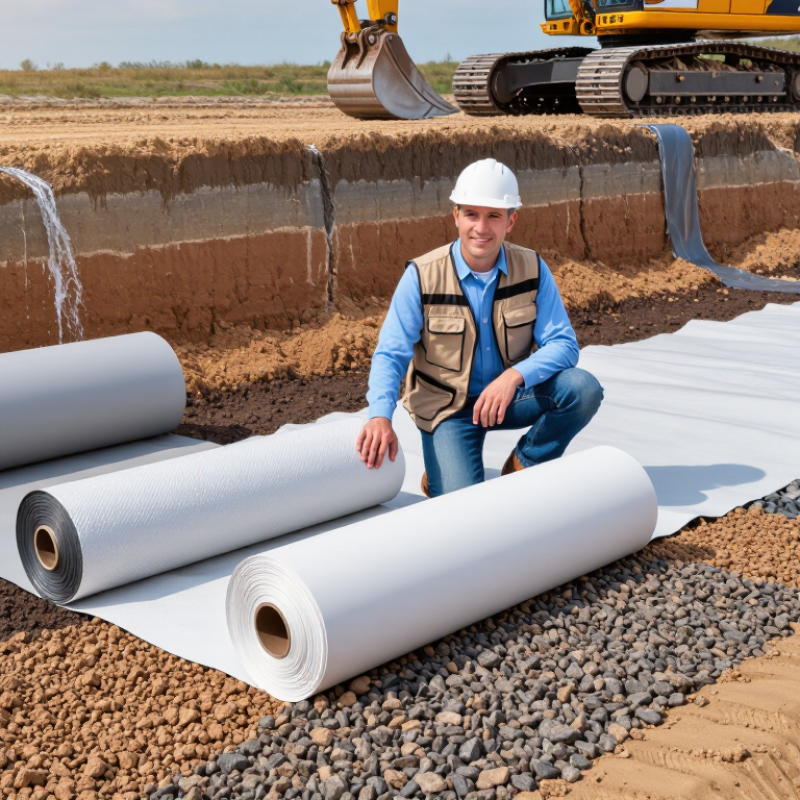
How to Choose the Right Geotech Fabric?

Define the Project Requirements and Site Conditions

Choosing the right geotech fabric begins with defining the project requirements and site conditions. Start by identifying the fabric’s role: separation, filtration, drainage, reinforcement, or erosion control. A road over soft clay needs strong separation and puncture resistance. A drainage trench needs reliable water flow while retaining soil particles. These are different demands.

Examine the site before selecting a specification. Record soil type, moisture, slope, groundwater movement, expected loads, and construction traffic. Sharp aggregate can damage a lightweight fabric during installation. Sunlight can also weaken exposed material over time. In practice, many problems begin with incomplete site information, not poor fabric quality. A neat design can still fail when field conditions change. That possibility deserves attention.

Tips: Request soil testing when conditions are uncertain. Match tensile strength, grab strength, and puncture resistance to actual loads. Check apparent opening size for filtration needs. Confirm water permeability against the drainage design. Consider installation equipment, overlaps, seams, and temporary exposure. Ask the installer to review the specification before delivery. I would also inspect the prepared surface carefully, because small stones and wrinkles can reduce performance. Avoid choosing by price alone; the cheapest option may create higher repair costs later.

Compare Geotextile Types by Function and Material

How to Choose the Right Geotech Fabric?

Geotextiles should be compared by function before material. Woven fabric usually provides high tensile strength and limits soil movement. It suits road bases, embankments, and reinforcement layers. Nonwoven fabric has a felt-like structure. It allows water to pass while separating soil particles. This makes it useful for drainage, filtration, and protection around pipes. Needle-punched nonwoven fabric can also cushion waterproof membranes from sharp stones.

Material affects durability and chemical resistance. Polypropylene is lightweight and commonly handles moisture, acids, and alkaline soils. Polyester often offers higher strength and better dimensional stability, but site chemistry must be checked. Some fabrics stretch more than expected. That can reduce performance when precise reinforcement is required. Review tensile strength, puncture resistance, apparent opening size, and permeability together. A single strength number is not enough.

Tips: Match the fabric to the soil and water conditions. Test a small section when the ground is uncertain. Place woven fabric beneath crushed stone to prevent rutting and mixing. Use nonwoven fabric beside drainage gravel, but protect it from construction damage. Avoid choosing by price alone. In field work, installation quality often decides the result. Even a suitable fabric can fail when overlaps are too short, wrinkles remain, or heavy equipment drives directly over it. Soil reports are helpful, but they never replace careful observation.

Select the Right Strength, Filtration, and Drainage Properties

How to Choose the Right Geotech Fabric?

Select the Right Strength, Filtration, and Drainage Properties

Choosing geotextile fabric begins with the soil, load, and water conditions. A material that works beneath a garden path may fail under heavy trucks. Estimate installation stress, traffic loads, and expected settlement before selecting tensile strength. Pay close attention to puncture resistance when angular stone or recycled fill contacts the fabric. Stronger is not always better. An overly stiff fabric can complicate placement and create wrinkles.

Filtration depends on soil particle size and water movement. Check the apparent opening size against the site soil, not just a standard product chart. Fine silt needs controlled openings that prevent soil migration while allowing water through. Permittivity helps evaluate flow across the fabric. For drainage layers, transmissivity describes flow along the fabric’s plane. These values should come from laboratory testing and project-specific specifications.

Drainage can look simple during installation. It is not. A fabric may pass water in testing but clog after fine particles enter its pores. Field inspections should check overlaps, seams, folding, and damage from compacted stone. I have seen suitable materials underperform because workers dragged them across sharp aggregate. The first selection may also be wrong after soil testing changes. Recheck the design when groundwater levels, fill thickness, or construction equipment changes. Small details matter.

Match Fabric Specifications to Soil and Installation Conditions

How to Choose the Right Geotech Fabric?

Match fabric specifications to soil and installation conditions, not appearance. Fine clay needs a smaller apparent opening size, while clean sand requires higher permeability. ASTM D4751 measures apparent opening size, and ASTM D4491 measures permittivity. These tests matter more than fabric weight alone. A heavy fabric can still clog when placed against silty soil.

Field conditions often decide performance. For a temporary access road, check puncture resistance, tensile strength, and seam strength before delivery. AASHTO M 288-22 separates geotextile requirements by application and installation survivability. Its classes reflect risks such as angular aggregate, weak subgrades, and repeated construction traffic. FHWA-NHI-07-092 also emphasizes filtration, drainage, separation, and reinforcement as different design functions. One fabric rarely performs each function equally well.

I have seen crews choose fabric by thickness. That shortcut fails. Wet subgrades may demand higher permittivity, while sharp crushed stone requires stronger puncture resistance. Confirm the soil gradation first. Then review the manufacturer’s tested values under ASTM methods. Installation details deserve equal attention: remove wrinkles, prevent contamination, and provide enough overlap for the site loads. The overlap rule is not universal. It should reflect soil strength, water flow, and construction traffic. Even experienced teams sometimes specify too much strength and too little drainage. That deserves another look.

Verify Durability, Compliance, Cost, and Supplier Quality

Choose by failure mode, not by roll price. For separation, filtration, or reinforcement, verify tensile strength, puncture resistance, and seam performance. The Federal Highway Administration’s Geosynthetic Design and Construction Guidelines identify installation damage as a major design concern. They present reduction factors commonly ranging from 1.05 to 1.45. That difference can change the required fabric strength.

Compliance must be specific. Request test results using recognized methods, such as ISO 10319 for tensile properties and ISO 12956 for apparent opening size. For highway work, compare the product with AASHTO M288 requirements. Check ultraviolet exposure limits, chemical resistance, and permeability. A certificate alone is not enough. Review the test date, laboratory identity, and production lot.

Cost should include transport, overlaps, installation time, and replacement risk. A cheaper roll may need thicker aggregate cover or more careful handling. That judgment is often incomplete. Ask suppliers for batch traceability, quality-control records, and samples from current production. Independent testing is valuable when project consequences are serious. Inspect packaging too. Wet, torn, or sun-damaged rolls may fail before installation. Supplier quality is not a slogan; it appears in consistent roll weight, clear labels, and responsive technical answers. I would still recheck every assumption against site soil, equipment, and drainage conditions. Sources: FHWA, Geosynthetic Design and Construction Guidelines; AASHTO M288; ISO 10319 and ISO 12956.

How to Choose the Right Geotech Fabric?

A practical procurement model should prioritize long-term durability while verifying compliance, total cost, and supplier quality before approval.

The weighted evaluation model assigns 35% to durability, 25% to compliance, 20% to total cost, and 20% to supplier quality. Higher scores indicate greater influence on the final fabric selection.