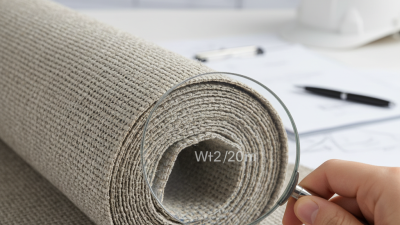
China Top 10 Geotex Textiles Manufacturers?
China’s Geotex Textiles industry has become an important source for drainage, filtration, separation, and reinforcement materials. Manufacturers now supply woven geotextiles, nonwoven fabrics, geogrids, geocomposites, and related products. However, choosing a reliable supplier requires more than comparing prices or factory photographs.
Dr. Robert M. Koerner, a respected geosynthetics educator and author, described geosynthetics as “planar products manufactured from polymeric material.” This simple definition points to a deeper issue: performance depends on engineering function, not appearance. A strong Geotex Textiles manufacturer should explain polymer type, mass per unit area, tensile strength, puncture resistance, permeability, and dimensional stability. Factory testing matters. So does consistency between samples and mass production.
This overview examines ten notable Chinese manufacturers through practical criteria. These include production capacity, quality-control procedures, export experience, technical support, certifications, and application history. Projects involving roads, railways, landfills, reservoirs, and coastal protection often expose weaknesses that catalogs do not show. A roll may look uniform under warehouse lighting, yet fail if its seams, UV resistance, or filtration behavior are poorly controlled.
The ranking should not be treated as permanent. Market information changes, and some suppliers disclose more than others. That limitation deserves attention. Buyers should verify test reports, request recent samples, inspect manufacturing records, and clarify warranty terms before signing a contract. The best supplier is not always the largest. It is the one that consistently matches material performance with site conditions, installation methods, and long-term design requirements.
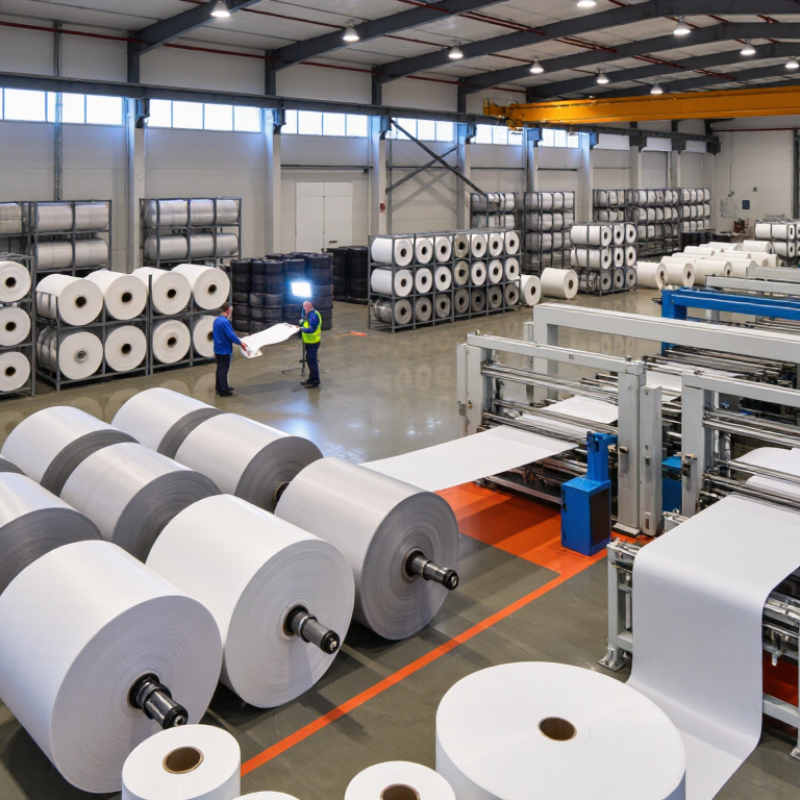
What Are Geotextiles and Why Are They Important?
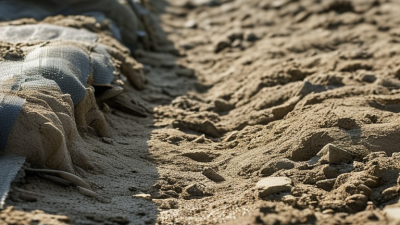
Geotextiles are engineered fabrics placed between soil, stone, and water. They support infrastructure without replacing careful design. Common materials include woven and nonwoven fabrics. Woven products often provide strong separation and reinforcement. Nonwoven products usually offer better filtration and drainage. The difference matters.
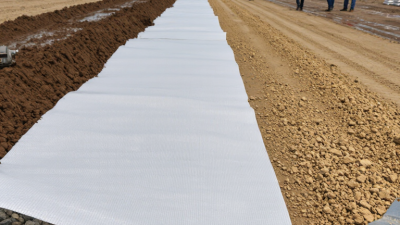
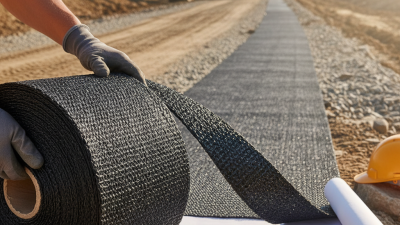
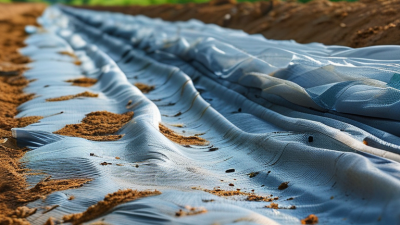
On a road project, a geotextile can stop soft soil from mixing with crushed stone. This keeps the base layer more stable under repeated vehicle loads. Along a drainage channel, it allows water to pass while limiting soil movement. During field inspections, installers should check overlaps, wrinkles, tears, and exposed edges. Small details matter. Poor placement can reduce performance, even when the fabric meets technical requirements.
Selection depends on soil conditions, water flow, loading, and construction methods. Engineers commonly review tensile strength, puncture resistance, apparent opening size, and permeability. Coastal protection, rail foundations, landfill drainage, and slope control may require different specifications. In China’s varied climates, freeze-thaw cycles, heavy rainfall, and soft ground can change project demands. A fabric suitable for a dry inland road may fail beside a saturated embankment. That comparison is easy to miss. Field experience also shows that price alone is a weak guide. Some teams focus on fabric strength but overlook installation damage. Better results come from testing, clear drawings, trained crews, and inspections during placement. No fabric fixes bad drainage design.
China Top 10 Geotextile Manufacturers: What Are Geotextiles and Why Are They Important?
Geotextiles are permeable synthetic fabrics used in civil engineering and environmental projects. They help separate soil layers, filter water, reinforce weak ground, protect geomembranes, and control erosion.
The chart shows the minimum grab tensile strength requirements for common geotextile classes under AASHTO M288. Higher tensile strength generally indicates greater resistance to installation and service stresses, although actual product selection also depends on filtration, puncture resistance, permeability, and project conditions.
Source: AASHTO M288, Geotextile Specification for Highway Applications. Values are converted from newtons to kilonewtons.
How to Evaluate China’s Leading Geotextile Manufacturers
Choosing among China’s top geotextile manufacturers requires more than comparing prices. Evaluate their experience with roads, drainage systems, landfills, and coastal projects. Ask for project records, production capacity, and material traceability. A reliable supplier should explain polymer type, needle-punching methods, mass per unit area, tensile strength, and puncture resistance in clear language.
Request recent laboratory reports, not only product brochures. Check whether testing follows recognized international standards and whether an independent laboratory confirms the results.
Factory visits can reveal practical details, such as clean storage areas, calibrated equipment, and consistent roll packaging. However, one visit is not enough. Production conditions may change.
Tips: Compare samples from several manufacturers. Test them under similar conditions. Check certificates carefully. Confirm lead times, inspection procedures, and replacement policies in writing. Speak with previous buyers when possible. Small details matter.
A capable manufacturer should support technical selection instead of pushing one specification. For example, a drainage project may need strong filtration performance, while a road subgrade may demand higher puncture resistance. Ask how the supplier handles uneven soil, temperature changes, and installation damage. Experienced engineers should discuss these risks with measurable data.
Price still matters, but unusually low quotations deserve closer inspection. They may reflect thinner material, weaker quality control, or unclear testing. I would also review communication speed and document accuracy. These seem minor, yet they often predict future project delays. No evaluation is perfect; even careful buyers can miss hidden weaknesses.
China’s Top 10 Geotextile Manufacturers by Product Expertise
China’s top ten geotextile manufacturers are best judged by product expertise, not factory size alone. Their strongest capabilities often differ. Some specialize in woven polypropylene fabrics for roads, embankments, and soil separation. Others focus on needle-punched polyester or polypropylene nonwovens for filtration and drainage.
Product-focused manufacturers also develop high-strength filament fabrics for demanding civil projects. Short-fiber materials can suit erosion control and landscape applications. Composite geotextiles combine reinforcement, filtration, and drainage in one structure. Several producers concentrate on geogrid-supported systems, reinforced fabrics, or drainage composites. Others manufacture materials for landfill liners, coastal protection, railways, and mining sites. Each category requires different tensile strength, permeability, puncture resistance, and durability.
Testing matters more than attractive catalog language. Reliable suppliers should provide batch records, technical data sheets, and independent laboratory results. Buyers should check polymer type, mass per unit area, roll dimensions, and seam performance. Factory experience also shows through process control, clean storage, and consistent packaging. Rankings are not absolute. A manufacturer strong in nonwoven filtration may not lead in woven reinforcement. That difference is easy to miss. I would also question unusually low prices, because thinner material may reduce long-term performance. Site conditions, installation quality, and drainage design still influence results. Even a well-made geotextile can fail when specifications are copied without field testing.
China’s Top 10 Geotextile Manufacturers by Product Expertise
| Rank |
Manufacturer Profile |
Primary Product Expertise |
Common Polymer |
Typical Performance Focus |
Main Applications |
Relevant Test References |
| 1 |
Profile 01 |
High-strength woven geotextiles |
Polypropylene; high-tenacity polyester |
High tensile strength, dimensional stability, separation and reinforcement |
Road bases, railways, working platforms, soft-soil reinforcement |
ASTM D4595; ASTM D4751; ISO 10319 |
| 2 |
Profile 02 |
Nonwoven needle-punched geotextiles |
Polypropylene; polyester |
Drainage, filtration, puncture resistance and cushioning |
Landfill liners, drainage layers, erosion control, canals |
ASTM D4491; ASTM D4632; ASTM D4833 |
| 3 |
Profile 03 |
Filament-spunbond nonwoven geotextiles |
Polypropylene; polyester |
Uniform pore structure, hydraulic conductivity and long-term separation |
Highway drainage, rail subgrades, retaining structures |
ISO 12958; ISO 9863-1; ISO 11058 |
| 4 |
Profile 04 |
Woven slit-film geotextiles |
Polypropylene |
Cost-efficient separation, soil stabilization and moderate reinforcement |
Temporary roads, haul roads, embankments and construction access |
ASTM D4595; ASTM D4751; ASTM D5261 |
| 5 |
Profile 05 |
Heavy-duty woven reinforcement fabrics |
High-tenacity polyester; polypropylene |
High tensile modulus, creep control and load transfer |
Reinforced soil walls, steep slopes, embankments and foundations |
ISO 10319; ASTM D5262; ASTM D4595 |
| 6 |
Profile 06 |
Composite drainage geotextiles |
Polypropylene; polyester |
Filtration combined with in-plane drainage and construction durability |
Basements, tunnels, retaining walls and landfill drainage systems |
ASTM D4716; ASTM D4491; ISO 12958 |
| 7 |
Profile 07 |
Filtration and coastal engineering fabrics |
Polyester; polypropylene |
Hydraulic filtration, resistance to clogging and UV exposure management |
Riverbanks, seawalls, coastal protection and scour-control systems |
ASTM D4491; ASTM D4751; ASTM D4355 |
| 8 |
Profile 08 |
Geotextiles for landfill and environmental works |
Polypropylene; polyester |
Protection of geomembranes, filtration and resistance to installation damage |
Landfill caps, leachate collection, containment and remediation |
ASTM D4833; ASTM D5884; ASTM D5199 |
| 9 |
Profile 09 |
Erosion-control and hydraulic engineering fabrics |
Polypropylene; polyester |
Soil retention, surface protection and controlled water passage |
Channels, reservoirs, slopes, drainage ditches and revegetation works |
ASTM D6460; ASTM D4491; ASTM D4751 |
| 10 |
Profile 10 |
Custom-weight and project-specific geotextiles |
Polypropylene; polyester; blended fibers |
Customized mass per unit area, aperture size, strength and permeability |
Industrial facilities, mining, energy infrastructure and specialized civil works |
ISO 9864; ISO 10319; ISO 11058; ASTM D4751 |
Note: The ranking is organized by product expertise and commonly specified performance categories. Manufacturer profiles are anonymized; final product selection should be verified against project specifications, applicable national standards and independent test reports.
Key Products and Applications of Chinese Geotextile Suppliers
China’s top ten geotextile manufacturers should be judged by verified products and project performance, not catalog size. Key products include polypropylene and polyester nonwoven fabrics, woven geotextiles, geogrids, drainage composites, and erosion-control mats. These materials separate soil layers, filter water, reinforce embankments, and protect exposed slopes.
Grand View Research estimated the global geotextiles market at about USD 7.8 billion in 2023, with infrastructure remaining a major demand driver. Chinese suppliers serve this demand through road bases, railways, landfills, coastal protection, reservoirs, and mining sites. Nonwoven fabrics suit filtration and drainage beneath roads. Woven fabrics provide higher tensile support under heavy aggregate. Geogrids help control rutting on weak subgrades. Product selection must match soil type, load, puncture risk, and drainage conditions.
MarketsandMarkets projects continued growth in the broader geosynthetics market, supported by transport and water-management investment. However, laboratory strength alone can mislead. Field seams, ultraviolet exposure, clogging, and poor installation may reduce performance. Suppliers with ISO-based quality systems, traceable raw materials, third-party testing, and project references deserve closer review. Ask for tensile, permeability, aperture, and puncture results. Then check whether those values reflect actual site conditions. A stronger specification is not always a better solution. Even experienced buyers sometimes underestimate installation risk.
How to Choose the Right Chinese Geotextile Manufacturer
China Top 10 Geotextile Manufacturers?
How to Choose the Right Chinese Geotextile Manufacturer
Choosing among China’s leading geotextile manufacturers requires more than comparing prices. Check the factory’s production experience, raw material control, and quality testing process. Ask for technical data on tensile strength, puncture resistance, permeability, and dimensional stability. A reliable supplier should explain test methods clearly. Vague answers are warning signs. Request recent laboratory reports and verify whether testing was completed by an independent facility.
Experience matters on real construction sites. I once focused too heavily on a low quotation and overlooked packaging details. Several rolls arrived with damaged edges. That mistake changed my supplier checklist. Review sample quality, roll dimensions, labeling, storage conditions, and loading procedures. Ask whether the manufacturer has supplied similar products for roads, drainage systems, landfills, or erosion control projects. Factory photographs help, but a video inspection or site visit provides stronger evidence.
Tips: Compare at least three manufacturers using the same specification sheet. Confirm production capacity before placing a large order. Request a pre-shipment inspection. Check communication speed and technical understanding. Do not rely on certificates alone. A certificate may be valid, yet the delivered product can still vary if process control is weak. Define acceptance standards, replacement terms, and delivery responsibilities in writing. Good cooperation is measurable.