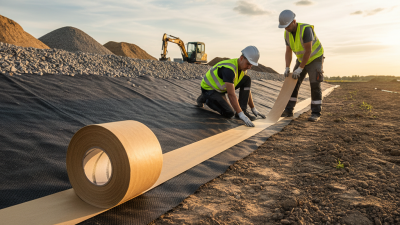
Essential Tips for Choosing Film Geotextile for Your Projects?
When selecting materials for civil engineering projects, Film Geotextile stands out as a key component. This synthetic fabric possesses unique properties that enhance durability and performance. Choosing the right Film Geotextile involves understanding the specific needs of your project. Every project has its own challenges, requiring a careful assessment of soil types, water flow, and environmental conditions.
Many professionals underestimate the impact of proper material selection. Films vary in thickness, permeability, and tensile strength. These factors significantly influence their effectiveness. It can be tempting to choose a cost-effective option, but this can lead to problems later. The importance of quality cannot be overstated, as inadequate choices may compromise project integrity.
Consulting with experts can provide valuable insights. Their experience can guide you in making informed decisions. Properly chosen Film Geotextile improves project longevity and reduces maintenance costs. However, it is crucial to acknowledge that no single solution fits all scenarios. Continual learning is essential as technology and methods evolve in this field. Being open to new information will enhance your project outcomes.
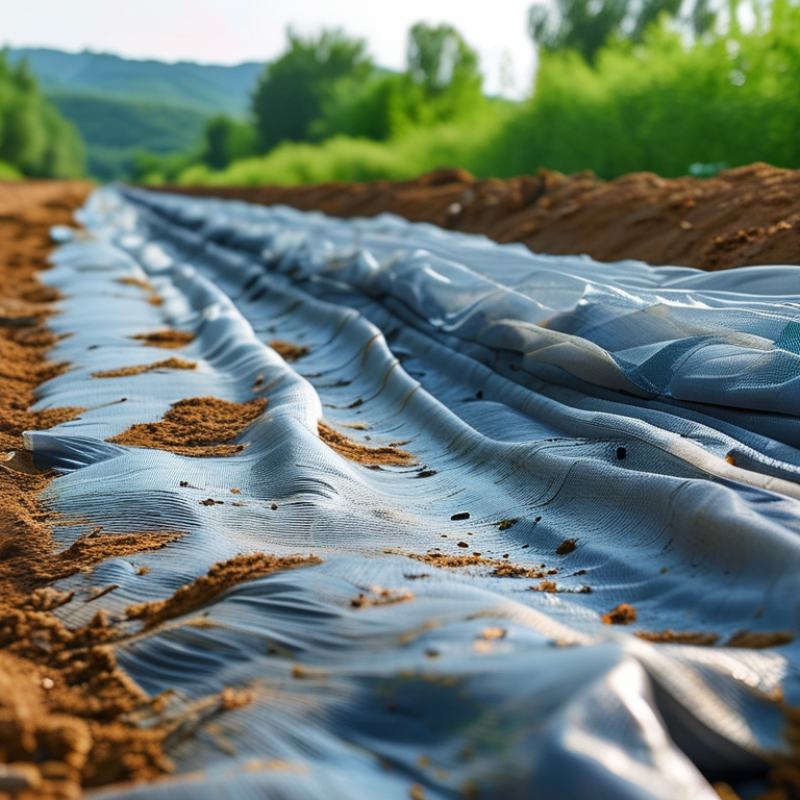
Key Considerations When Selecting Film Geotextile for Projects
When selecting film geotextile for your project, several key factors should be considered.
Start with the material's permeability. It affects how water interacts with soil, influencing drainage and erosion control.
Evaluate the specific conditions of your site. Soil type, expected load, and environmental factors can dictate what geotextile works best.
Durability is also essential. The geotextile needs to withstand tension, UV exposure, and other physical stressors.
Testing data can sometimes reveal inconsistencies.
Consider how the geotextile performs in actual conditions, not just lab settings.
Lastly, confirm the thickness. A thicker geotextile can resist punctures better, but it might not be necessary for every project.
While thicker options seem more robust, sometimes thinner ones are sufficient for light applications.
Reflect on both performance and budget. Balancing cost and quality is vital for successful outcomes.
Types of Film Geotextiles and Their Specific Applications
Film geotextiles are crucial in numerous construction and landscaping projects. Their effectiveness varies widely according to their type and intended use.
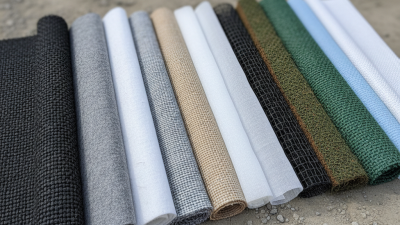
Generally, film geotextiles can be categorized into woven, non-woven, and specialty films, each offering distinct benefits for specific applications.
Woven geotextiles are known for their high tensile strength. They excel in soil stabilization and erosion control. Their durability makes them a preferred choice in road construction and embankment projects. According to industry reports, woven geotextiles can increase the load-bearing capacity of soils by up to 50%.
Non-woven varieties, on the other hand, provide excellent filtration and drainage. They are often used in applications where water flow management is essential, such as landfills and drainage systems.
When selecting a film geotextile, consider the project's environment and soil composition. Compatibility is key. Be mindful of the manufacturing process, as it can affect the geotextile's longevity.
It’s advisable to consult with professionals who understand your specific needs and the materials available. This approach offers greater assurance of proper material selection and application, leading to enhanced project outcomes.
Remember, thorough research is invaluable. Look for independent studies that evaluate the performance of different geotextiles in real-world scenarios. This research can help you make informed decisions tailored to your project's demands.
Understanding Material Properties that Affect Performance
When selecting film geotextiles, understanding material properties is crucial. Some key factors include
permeability, tensile strength, and durability.
According to industry reports, high-permeability geotextiles allow for efficient drainage while maintaining soil integrity.
In contrast, lower permeability materials may lead to water buildup and increased pressure on structures.
Durability is another significant property. Geotextiles need to withstand harsh environmental conditions without degrading.
A study by the Geosynthetic Materials Association indicated that UV resistance and chemical stability are essential for prolonged performance.
Opting for geotextiles that meet these criteria can lead to fewer replacement costs over time.
Tip: Always conduct a compatibility test between your geotextile and the surrounding materials.
This can help avoid unexpected failures in performance due to chemical reactions or physical interactions.
Assess tensile strength across different conditions; it helps ensure your project meets its design specifications.
Remember, not all geotextiles are created equal. Evaluating these properties offers a pathway to better project outcomes.
Evaluating Environmental Factors and Site Conditions
When selecting film geotextiles, evaluating the environmental factors and site conditions is crucial. Soil type, moisture levels, and local climate can greatly impact your project’s success. According to the Geosynthetic Institute, up to 70% of geotextile failures are attributed to improper material selection based on these factors. An accurate assessment helps in choosing the right material.
For instance, in areas with high moisture conditions, a film geotextile with enhanced drainage properties may be necessary. Silty or clayey soils may require a more permeable option to reduce water build-up. The presence of vegetation also plays a role. A study by the American Society of Civil Engineers noted that sites with dense plant life may need geotextiles designed to integrate with ecological systems.
Environmental sustainability should also be a major consideration. Materials that are biodegradable or have a lower carbon footprint are trending in the industry. However, many engineers contemplate the balance between durability and ecological impact. This reflection is vital, as the long-term implications of selected materials can affect both the project and the wider environment. Being mindful of these aspects ensures responsible and effective use of geotextiles in various applications.
Essential Tips for Choosing Film Geotextile for Your Projects
| Criteria |
Description |
Importance |
Recommended Values |
| Durability |
Assess the resistance to environmental conditions such as UV exposure, moisture, and temperature fluctuations. |
High |
Minimum of 5 years lifespan in harsh conditions. |
| Permeability |
Evaluate the rate at which water can flow through the geotextile. |
Medium |
Ranging from 50 to 500 mL/min. |
| Tensile Strength |
Measure the force required to pull the material apart. |
High |
At least 10 kN/m. |
| Environmental Compatibility |
Ensure that materials are eco-friendly and do not leach harmful substances. |
Critical |
Must comply with local environmental regulations. |
| Installation Process |
Consider ease of installation and labor requirements. |
Medium |
Prefabricated options may reduce installation time. |
Cost Analysis and Budgeting for Film Geotextile Projects
When planning your film geotextile project, understanding costs is crucial. Various factors influence overall expenses. First, consider the materials required. Quality film geotextiles vary in price based on thickness and durability. This can impact your budget significantly.
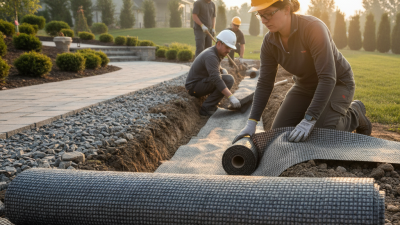
Focus on labor costs as well. Installation can be complex and may require skilled professionals. Their rates can fluctuate based on geography and project scale. If the project is larger, discounts may be available. However, don’t overlook potential hidden costs, such as permits or site preparation.
**Tip:** Always compare multiple quotes from suppliers and contractors. This will give you a sense of the market. Keep in mind, the cheapest option isn’t always the best.
**Tip:** Allocate a contingency budget. Projects often encounter unforeseen issues. A buffer of 10-20% can cover these surprises effectively. Good planning reduces stress and ensures smoother execution.
While budgeting for film geotextile projects, reflect on these aspects actively. Incomplete budgeting can lead to project delays or financial strain. Stay vigilant, and ensure you make informed decisions throughout the process.