Top 10 Geotex Textiles Suppliers for Global Buyers
Geotex Textiles are easy to overlook until a road shoulder softens, a drainage trench clogs, or soil migrates through a retaining structure. In these applications, the right geotextile can help separate, filter, reinforce, or drain. The global market is growing. Grand View Research estimated the geotextiles market at USD 8.2 billion in 2023 and projected a 6.5% compound annual growth rate from 2024 to 2030 in its Global Geotextiles Market Size, Share & Trends Analysis Report. Market estimates vary with product definitions, however. They are useful context, not a buyer’s forecast.
Performance starts with the jobsite. A woven fabric selected for reinforcement may not suit a drainage layer that needs reliable water flow. Dr. Robert M. Koerner, founder of the Geosynthetic Institute, defines geosynthetics as “planar products manufactured from polymeric material used with soil, rock, earth, or other geotechnical engineering-related material as an integral part of a man-made project, structure, or system.” His definition points to an important purchasing principle: match the product to the ground and the design. Small details matter. Buyers comparing the Top 10 Geotex Textiles Suppliers for Global Buyers should review tensile strength, filtration and permeability data, UV resistance, quality-control records, sample availability, and delivery capacity. Ask for test reports tied to the offered product, not just a general brochure. Rankings can help narrow a list, but they cannot replace project-specific checks. Some supplier pages make comparison harder than it should be. That is worth noticing.
Understanding Geotextile Fabrics and Their Global Applications
Understanding Geotextile Fabrics and Their Global Applications
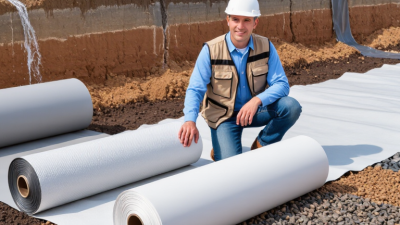
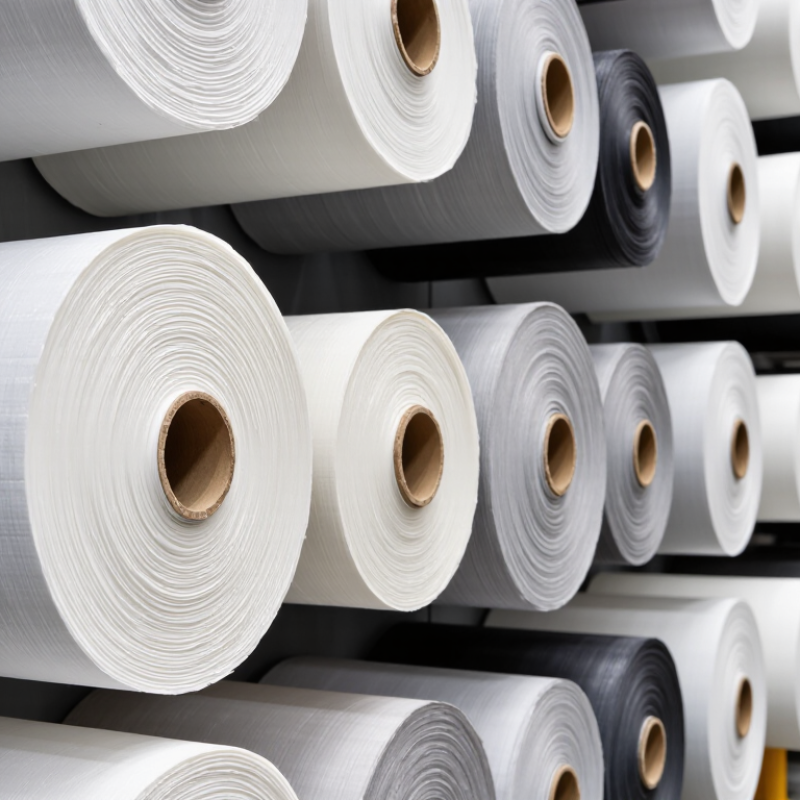
Geotextiles are permeable fabrics placed in contact with soil, aggregate, or other construction materials. They can separate layers, filter water, reinforce weak ground, or help control erosion. Woven fabrics often suit applications requiring tensile strength, while nonwoven fabrics are commonly selected for filtration and drainage. Performance depends on the material, fabric structure, site conditions, and installation quality.
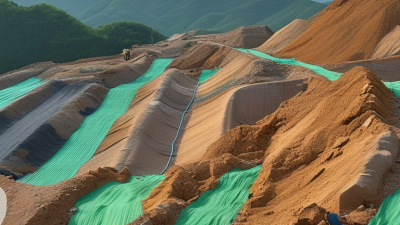
These fabrics are used beneath roads, around drainage trenches, along riverbanks, and under railway ballast. For example, a separator beneath crushed stone can reduce mixing with soft clay under repeated traffic. A drainage filter needs to pass water while retaining nearby soil. Small details matter. Incorrect sizing or rough installation can lead to clogging, stretching, or tears. Soil type, water flow, climate, and expected loads deserve careful review. Product data helps, but it cannot describe every site.
Tips: Match the fabric to its intended function. Review test data for tensile strength, permeability, and opening size. Check seams and overlaps before covering the fabric with fill. This step is easy to rush, and easy to regret. When site conditions are uncertain, seek qualified engineering review.
What Leading Geotextile Suppliers Offer
Geotextile suppliers serve more than fabric. Reliable suppliers help buyers match product properties to soil, drainage, filtration, and reinforcement needs. They should provide clear data on tensile strength, puncture resistance, permeability, and opening size. Ask whether reported values are typical or minimum values. That distinction matters. A product sheet cannot replace project-specific review.
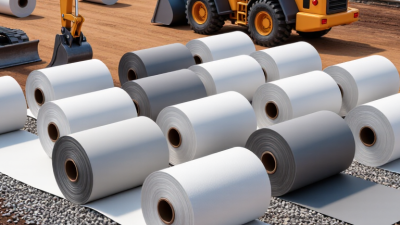
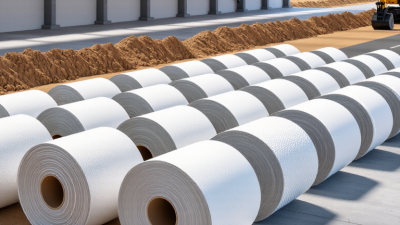
Strong suppliers also offer production records, sample rolls, and practical packaging details. For international orders, confirm roll width, length, labeling, lead times, and shipping protection before placing an order. Ask how they identify batches and check quality. These details can prevent confusion when several rolls arrive at a busy site. Some suppliers may explain installation limits, but buyers should verify recommendations with a qualified project professional. A sample can feel right in hand and still perform poorly in local soil. That is easy to overlook. Look for specific answers, not broad promises, and keep agreed specifications in writing. This makes supplier comparisons fairer, although no supplier can remove every site risk.
Criteria for Evaluating International Suppliers
When evaluating international geotextile suppliers, match product data to the project’s actual soil, drainage, and installation conditions. Compare tensile strength, puncture resistance, permittivity, and roll dimensions, not just fabric weight. Ask for technical data sheets and test reports that identify the tested product and method. Clear documentation matters.
Check how quality is controlled between sample approval and full production. Request recent batch records, inspection procedures, and a sample from a production roll. Then compare its appearance and measured properties with the agreed specification. Small differences can matter. A supplier should explain them plainly, rather than offer vague assurances. Independent testing may help when project risk is high.
Also assess communication and delivery capacity. Confirm lead times, packaging, roll labels, and how shipping delays or damaged goods are handled. Ask who will respond to technical questions after an order is placed. A low quotation can look attractive until unclear freight terms or inconsistent records add cost. No checklist is perfect; a neat report cannot guarantee careful installation or site performance. That limitation is easy to overlook. A practical evaluation weighs documents, samples, conversations, and the supplier’s willingness to address specific concerns.
How to Compare Suppliers and Plan Global Procurement
Global sourcing begins with a clear specification, not a low quote. Compare geotextile suppliers against the same requirements: polymer type, mass per unit area, tensile strength, permittivity, puncture resistance, and roll dimensions. The 2023 Grand View Research report valued the global geotextiles market at about USD 8.3 billion, with projected growth through 2030. That scale brings choice, but product names alone do not prove equivalent performance. Request recent test reports, batch traceability, and samples from the production line.
Check practical details. Can the supplier maintain consistent roll widths and provide clear packing lists? Ask for minimum order quantities, production lead times, inspection procedures, and written quotations with comparable trade terms. The UNCTAD Review of Maritime Transport 2024 reported that global maritime trade grew 2.4% in 2023 and anticipated 2.0% growth in 2024. Build schedule buffers around port changes and transit variability. Small delays matter.
For a global procurement plan, qualify more than one source, then test samples under project-specific conditions. Verify certificates with the issuing laboratory, and confirm that test methods match the project specification. Map each order from factory dispatch to the jobsite, including inland transport and storage. A spreadsheet helps. It can still miss a damp warehouse corner or poorly protected roll ends. These details deserve a site visit or a careful pre-shipment inspection.