What is Cirtex Geogrid and How Does it Benefit Your Project?
In the world of construction and civil engineering, the use of innovative materials is crucial for success. Cirtex Geogrid has emerged as a prominent solution in this field. This advanced engineering fabric enhances soil stability and reinforces ground structures. Leading expert Dr. John M. Stevens, a geotechnical engineer, states, "Using Cirtex Geogrid can drastically improve the longevity of infrastructure projects."
Cirtex Geogrid provides a unique benefit by distributing loads effectively. This distribution helps in reducing soil deformation and preventing failures. Its application ranges from roadways to retaining walls, making it versatile for various projects. However, it is vital to consider whether Cirtex Geogrid is suitable for every specific situation. Sometimes, over-reliance on geogrids may overshadow other important materials.
Choosing Cirtex Geogrid requires careful analysis of project needs. Each construction site has unique challenges. While this geogrid offers numerous advantages, it may not be a one-size-fits-all solution. Construction professionals must evaluate site conditions and potential drawbacks. This thoughtful approach will ensure optimal use of Cirtex Geogrid, ultimately leading to project success.

What is Cirtex Geogrid?
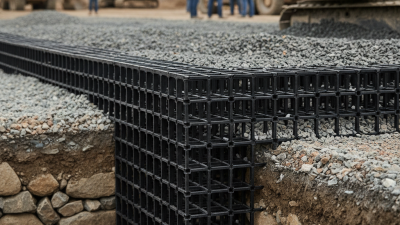
Cirtex Geogrid is an innovative material designed to enhance soil stability and support in construction projects. By reinforcing the ground, it actively distributes loads and prevents erosion. Studies show that using geogrid can increase the load-bearing capacity of soil by up to 40%. This significant improvement makes it a go-to solution for engineers seeking efficiency.
The core of Cirtex Geogrid lies in its engineering properties. The grid structure creates interlocking capabilities, allowing for better soil retention. Research indicates that projects incorporating geogrids exhibit a 50% reduction in settling over time. This is crucial for structures like roadways, where prolonged stability is essential.
However, not every project may benefit from geogrids. For example, sites with highly varied soil conditions might not see the same performance. Engineers should carefully assess the ground conditions before implementation. Balancing the cost versus benefit is necessary. While Cirtex Geogrid has proven advantages, understanding its limitations ensures optimal use.
Key Features of Cirtex Geogrid
Cirtex Geogrid is a revolutionary solution in soil stabilization and reinforcement. Its key features significantly enhance project outcomes. Made from high-quality polymer materials, it delivers exceptional tensile strength. Studies indicate that the use of geogrids can reduce soil settlement by up to 50%. This contributes to the overall longevity and durability of infrastructure projects.
The lightweight design of Cirtex Geogrid allows for easier handling and installation. Projects can see reduced labor costs and time savings during setup. Additionally, its open grid structure promotes natural drainage, reducing the risk of erosion. Technical reports show that incorporating geogrids can lead to improved load distribution, which is critical in road and pavement applications. This means less material is required for bases, impacting budgets positively.
Despite the many benefits, it's essential to assess site conditions before implementation. Not every project may realize the full potential of geogrid solutions. Local soil characteristics, climate, and project design can affect performance. A thoughtful, data-driven approach to using this material can lead to better project outcomes and sustainability. Understanding these factors is vital for maximizing the advantages of Cirtex Geogrid in construction efforts.
Applications of Cirtex Geogrid in Construction Projects
Cirtex geogrid has diverse applications in construction, significantly enhancing project outcomes. This geogrid material improves load distribution and soil stabilization. It's used in road building, retaining walls, and embankments. In a study by Pavement Engineering, geogrids can improve the lifespan of asphalt pavements by up to 30%. With increasing traffic loads, this becomes crucial for maintaining infrastructure integrity.
In slope stabilization, the use of geogrid can reduce landslide risk. By reinforcing the soil, it provides essential support for roadways built on sloped terrains. A report from the American Society of Civil Engineers indicates that landslides cause over $1 billion in damages annually in the U.S. alone. Utilizing geogrid solutions can mitigate such risks effectively.
However, challenges remain. The effectiveness of geogrids relies on proper installation. Poor workmanship can lead to reduced performance. Ensuring adequate training for workers is essential. Moreover, some geogrid types may not be compatible with all soil conditions. Project managers must assess the ground before opting for a specific type. This ongoing assessment is vital for successful implementation in construction projects.
Benefits of Using Cirtex Geogrid in Engineering
Cirtex Geogrid is a versatile material in engineering that enhances soil stability. It provides structural support by distributing loads across a larger area. This property is particularly beneficial for construction projects involving roads, pavements, and retaining walls. By minimizing soil movement, it helps prevent deformation, which can lead to costly repairs.
Using geogrid can significantly reduce the amount of material needed for projects. This is especially important in areas where soil quality is poor. While it may seem expensive at first, the long-term savings often outweigh initial costs. Proper installation is crucial; without it, the effectiveness of the geogrid can diminish. Some engineers overlook this detail.
Projects incorporating Cirtex Geogrid show improved longevity and durability. It enhances the overall performance of the site. However, it’s essential to recognize that not every application requires geogrid. Each project demands careful assessment to avoid unnecessary expenditures. Balancing cost and benefit is key in decision-making.
What is Cirtex Geogrid and How Does it Benefit Your Project?
| Benefit |
Description |
Application |
| Increased Load Support |
Enhances load distribution over weak soils, reducing stress on subgrade. |
Road construction, retaining walls. |
| Soil Stabilization |
Reduces soil erosion and improves stability, preventing material displacement. |
Slopes, embankments, and fill applications. |
| Cost Efficiency |
Minimizes the need for extensive excavation and backfill, saving on material costs. |
General civil engineering projects. |
| Flexibility in Design |
Allows for innovative designs that can adapt to various project requirements. |
Urban development, infrastructure projects. |
| Quick Installation |
Speeds up construction time due to easier handling and placement. |
Construction sites with time constraints. |
Installation Process and Best Practices for Cirtex Geogrid
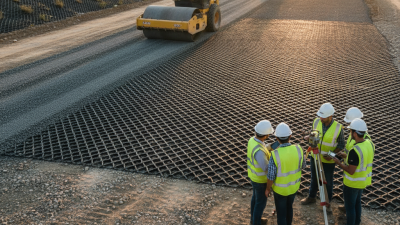
The installation process of geogrids, specifically Cirtex Geogrid, involves several critical steps that ensure optimal performance. Begin by preparing the site thoroughly. Clear any debris or vegetation to create a stable base. This preparation is vital for achieving proper compaction. A well-prepared site prevents issues like settling or shifting later on.
When laying the geogrid, ensure it is properly aligned and tensioned. Misalignment can lead to uneven load distributions. As you install, consider using mechanical means to secure it in place. This method improves stability and reduces potential installation errors. Pay attention to overlaps too; they must meet the recommended specifications for maximum effectiveness. Many overlook this detail, leading to compromised soil reinforcement.
After installation, monitor the area for potential issues. Proper drainage should be implemented to prevent water accumulation, which can undermine the structure. Regular inspections can help catch problems early, allowing for timely interventions. While the installation process seems straightforward, many face challenges that require proactive problem-solving. Learning from these experiences can significantly enhance future projects.