Top Geogrid Gravel Solutions for Your 2026 Projects?
As we approach the upcoming projects of 2026, the demand for quality materials such as Geogrid Gravel increases significantly. Research indicates that geogrid technology enhances the performance of gravel in various applications, from road construction to erosion control. According to a recent industry report, the use of geogrid reinforcement can improve the load-bearing capacity of gravel by up to 40%. This substantial enhancement is crucial for sustainable infrastructure development.
However, while Geogrid Gravel solutions offer notable benefits, there are challenges that professionals face. The installation process requires meticulous attention to detail to avoid costly mistakes. A recent survey revealed that 30% of contractors reported difficulties in integrating geogrid systems correctly. Additionally, quality control remains a concern, and inconsistent product availability can undermine project timelines.
Overall, exploring top geogrid gravel solutions involves a careful balance of expertise and practical implementation. Understanding the nuances of materials and methodologies can lead to more reliable outcomes. As we move forward, it is vital to reflect on past project experiences to ensure the successful adoption of Geogrid Gravel in future construction endeavors.
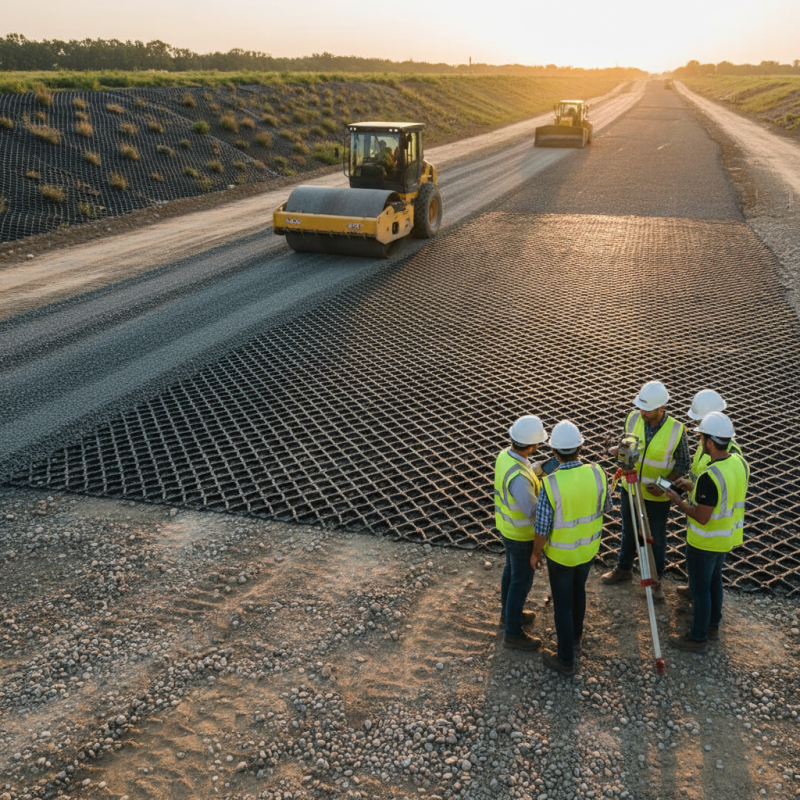
Top Geogrid Gravel Solutions for Your 2026 Projects
When planning your 2026 projects, integrating geogrid gravel solutions can enhance stability and longevity. These materials are engineered to optimize load distribution, which is crucial for various constructions. Using geogrids helps to prevent soil deformation. This is particularly important in high-traffic areas or those subjected to heavy weights.
Tip: Always assess soil conditions before selecting your geogrid type. Understanding the site’s specific requirements leads to better performance. Your choice should also consider environmental factors such as drainage and climate.
Incorporating geogrids requires careful installation. Misalignment or poor tension can lead to failure. It’s essential to train your team properly and invest time in pre-installation checks. This can save you from costly repairs later.
Tip: Regular maintenance is key to longevity. Check for any movement or erosion around the gravel periodically. Addressing signs of distress early can prevent bigger issues down the line.
Understanding Geogrid Technology and Its Applications
Geogrid technology has emerged as a pivotal solution in civil engineering and construction. It enhances the performance of gravel layers in roadways, retaining walls, and embankments. Studies indicate that using geogrids can reduce the required thickness of gravel by up to 50%, significantly lowering material costs. The incorporation of geogrids also promotes better load distribution, which leads to prolonged lifespan for infrastructure projects.
Recent data reveals that projects employing geogrid technology have shown a 30% increase in stability compared to traditional methods. This is primarily due to the geogrid's ability to interlock with surrounding soil or gravel, effectively creating a reinforced layer. Nevertheless, not every application of geogrid is flawless. Some projects have reported challenges regarding installation techniques and site conditions. Achieving optimal performance often requires trained professionals who understand the intricacies of geogrid integration.
Further research suggests that soil type and environmental impact play crucial roles in the effectiveness of geogrids. For instance, coastal regions may require different specifications than arid zones. This variability stresses the importance of context when selecting geogrid solutions. Engineers must approach each project with a critical eye, ensuring they address these unique factors for successful implementation.
Benefits of Using Geogrid in Gravel Stabilization Projects
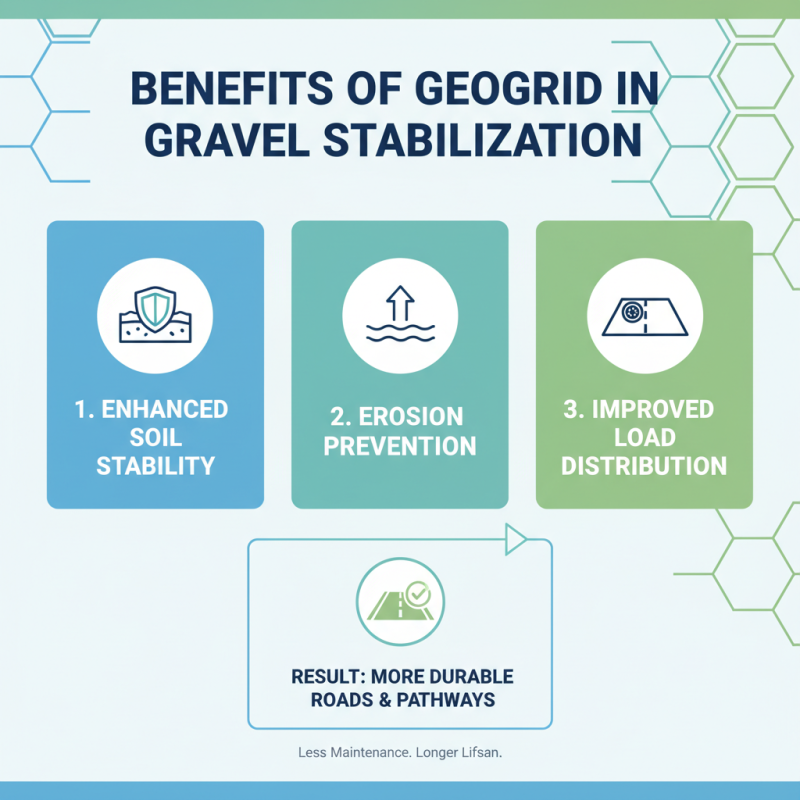
Geogrids play a crucial role in gravel stabilization projects. They enhance soil stability and prevent erosion, making them a vital component in construction. Using geogrids, engineers can significantly improve load distribution. This leads to better performance of gravel surfaces. As a result, roads and pathways become more durable.
In harsher climates, geogrids are especially beneficial. They help to minimize the movement of gravel under varying weather conditions. This reduces maintenance costs in the long run. The installation process is relatively straightforward. However, it requires a level of expertise to ensure maximum effectiveness. Mistakes in installation can lead to future instability.
Moreover, geogrids contribute to sustainable construction practices. They can reduce the amount of gravel needed. This not only lowers material costs but also benefits the environment. However, relying solely on geogrids without proper planning can be counterproductive. A thorough understanding of soil conditions is essential. Balancing innovation with experienced judgment is key in using geogrids effectively.
Evaluating Different Types of Geogrids for Gravel Applications
When selecting geogrids for gravel applications, a variety of options exist. Understanding their strengths and weaknesses is essential. A recent report from the Geosynthetic Materials Association reveals that geogrid technology can enhance load distribution, significantly reducing gravel movement under heavy loads. This capability is crucial for infrastructure projects planned for 2026.
Different types of geogrids serve diverse applications. Polymer-based geogrids encourage soil confinement, increasing stability. Studies indicate they can boost the load-bearing capacity by up to 40%. On the other hand, steel geogrids provide exceptional strength but may exhibit corrosion issues in certain environments. Additionally, composite geogrids combine various materials, offering a balance between flexibility and durability. It's vital to evaluate site-specific conditions when choosing the right type.
Although advancements in geogrid technology are impressive, some challenges persist. Installation practices play a significant role in performance outcomes. Poor installation can negate the benefits of even the best geogrids. Assessing soil conditions before installation remains a hurdle for many projects. These reflections underscore the importance of thorough planning and expertise in geogrid selection and implementation.
Top Geogrid Gravel Solutions for Your 2026 Projects
| Geogrid Type |
Tensile Strength (kN/m) |
UV Resistance |
Permeability (cm/s) |
Applications |
| Biaxial Geogrid |
30 |
Yes |
0.1 |
Subgrade reinforcement, roadways |
| Uniaxial Geogrid |
50 |
Yes |
0.05 |
Retaining walls, load support |
| Composite Geogrid |
70 |
Yes |
0.02 |
Earth stabilization, landfill covers |
| Polymer Geogrid |
40 |
No |
0.15 |
Asphalt overlay, terrain reinforcement |
Installation Techniques for Geogrid in Gravel Projects
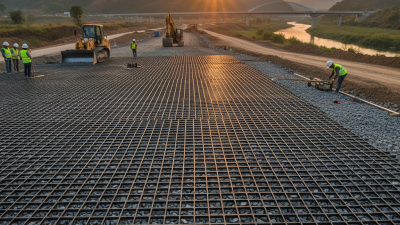
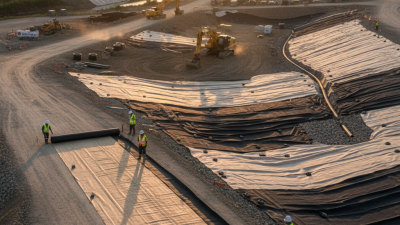
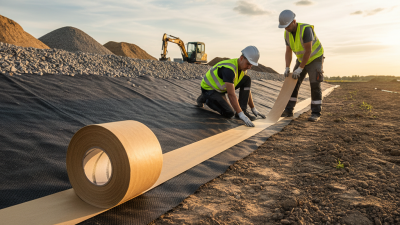
When working with geogrid in gravel projects, installation techniques play a crucial role in ensuring their effectiveness. Proper preparation of the subgrade is vital. Ensure the area is clear of vegetation and debris. This allows the geogrid to perform optimally. Use an appropriate design for the geogrid layout. Make sure to align it with the expected load conditions.
After laying the geogrid, securing it with anchors can enhance stability. Proper overlap of geogrid sections should not be underestimated. This detail affects the overall strength of the installation. Installation can sometimes go awry. For instance, misalignment may cause weak points that compromise the project's integrity.
Post-installation, monitoring the gravel layer is essential. Compaction should be checked regularly. Occasionally, the gravel may shift or settle unevenly, which prompts adjustments. Learning from these challenges is key. It helps streamline future installations, ensuring better outcomes for your projects.
Conclusion
The article "Top Geogrid Gravel Solutions for Your 2026 Projects" offers a comprehensive overview of geogrid technology and its significance in gravel stabilization projects. It begins by explaining the fundamentals of geogrid technology and how it enhances the performance of gravel surfaces. The benefits of using geogrid in projects include improved load distribution, reduced erosion, and increased longevity of gravel structures.
Furthermore, the article evaluates various types of geogrids suitable for different gravel applications, providing insights into their unique characteristics and optimal uses. It emphasizes effective installation techniques to ensure the durability and functionality of geogrid gravel systems. Lastly, best practices for maintenance are discussed, highlighting the importance of regular checks and care to preserve the integrity of geogrid gravel installations, thus optimizing their performance for future projects in 2026 and beyond.