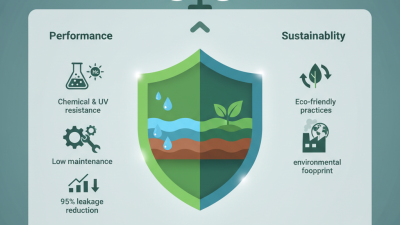
2026 Top Trends in Eva Geomembrane Applications and Innovations
As the world increasingly focuses on sustainability, Eva Geomembranes are carving out a significant niche in various industries. Dr. Jessica Reynolds, an authority in polymer technology, states, "Eva Geomembranes offer a versatile solution to modern environmental challenges." This statement highlights the growing importance of these materials in tackling ecological issues while ensuring effective containment and protection.
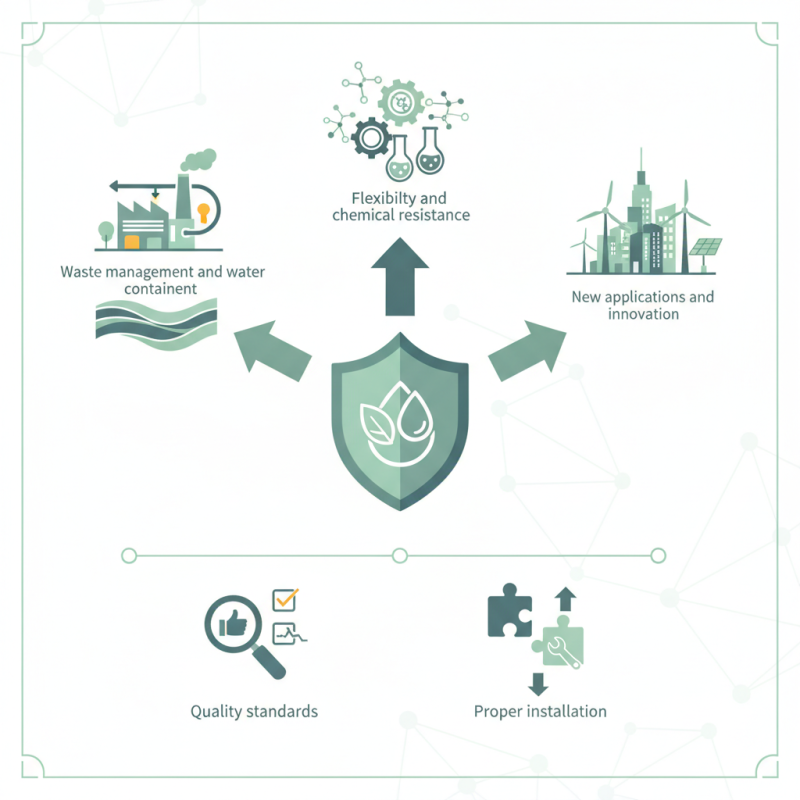
In 2026, the trends in Eva Geomembrane applications will reflect innovation and adaptability. Industries are beginning to recognize the unique properties of Eva Geomembranes, such as their flexibility and resistance to chemicals. Companies are exploring new applications that push the boundaries of traditional uses. For instance, in waste management and water containment, Eva Geomembranes will emerge as a reliable choice.
However, the industry must address some challenges. Not all manufacturers meet the quality standards needed for long-term performance. Emphasizing proper installation is critical, as improper techniques can lead to failure. As we look forward to 2026, the potential for Eva Geomembranes remains promising, but it calls for diligence and innovation in practice.
The Rise of EVA Geomembranes in Environmental Protection Applications
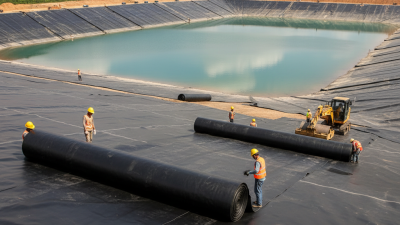
EVA geomembranes are increasingly significant in environmental protection. These materials excel in waterproofing and containment. Their flexibility and durability make them suitable for various applications, including landfill liners and aquaculture. Many industries are adopting EVA for its efficiency in minimizing pollutant migration.
Innovation in EVA technology contributes to its rising popularity. New formulations enhance UV resistance and thermal stability. These improvements increase the lifespan of geomembranes, promising more sustainable usage. Although progress is notable, challenges remain. The recycling of EVA materials has not fully evolved yet. Finding eco-friendly disposal methods is an ongoing concern.
Environmental regulations are driving the adoption of EVA geomembranes. Companies are actively seeking solutions that meet green standards. The shift toward sustainable practices is crucial for future growth. Enhanced research into EVA's capabilities offers hope for significant advancements. As industries embrace these products, a balance between innovation and environmental impact is necessary.
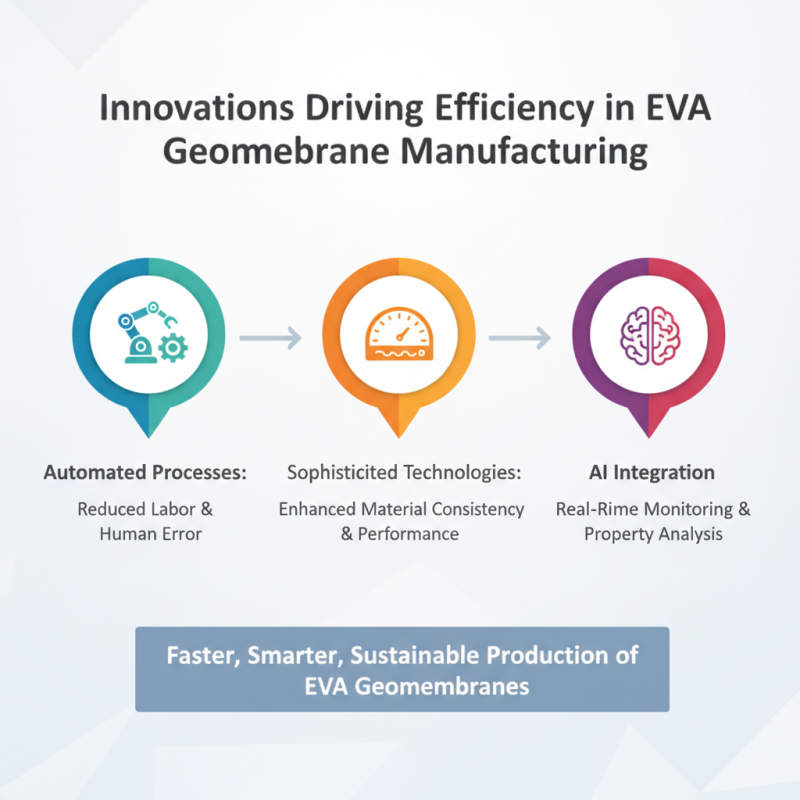
Innovations Driving Efficiency in EVA Geomembrane Manufacturing Techniques
The landscape of EVA geomembrane manufacturing is evolving rapidly. Innovations are transforming how these materials are produced, enhancing efficiency and sustainability. Automated processes are now commonplace, reducing labor and minimizing human error. Sophisticated technologies improve the consistency of the geomembranes, leading to better performance in various applications. For instance, integrating AI in the production line allows for real-time monitoring of material properties.
However, challenges remain. The quality control process often highlights areas needing attention. Variations in raw materials can affect the final product. Manufacturers must invest in better training and technology. Enhanced training programs ensure that workers understand the intricacies of new techniques. Additionally, the need for rigorous testing post-production can add time to the process.
Increasing demand for these materials in environmental applications pushes the industry forward. Innovations in recycling methods show promise. Efforts to create more sustainable products may not always hit the mark. Striking a balance between cost and eco-friendliness proves challenging. Nevertheless, these ongoing efforts hold potential for the future of EVA geomembranes.
Market Growth Projections for EVA Geomembranes: A 2026 Outlook
The EVA geomembrane market is poised for significant growth by 2026. Increasing environmental regulations and the need for effective waste management are driving this trend. These flexible and durable materials are widely used in landfill liners, dam reinforcement, and agricultural applications. Their resistance to UV rays and chemicals makes them a preferred choice in diverse fields.
Tips: Consider factors like installation techniques and environmental impact before selecting geomembranes. Collaboration with experts can ensure the best performance of materials.
Innovations in EVA geomembranes are emerging. Advanced technologies improve efficiency and reduce costs. Enhanced production methods can lead to thinner and stronger sheets. However, not all innovations guarantee durability. It's vital to evaluate the long-term performance of new materials.
Tips: Regular testing and maintenance can prolong the life of geomembranes. Assessing potential risks early on can mitigate future issues.
Key Industry Standards and Regulations Impacting EVA Geomembrane Use
In recent years, the demand for EVA geomembranes has risen significantly. Compliance with industry standards is crucial for safe and effective use. According to the Geosynthetics Materials Association, proper adherence to ASTM D5886 ensures that the products meet performance criteria in environmental applications. These benchmarks help establish reliability for users and manufacturers alike.
The growing emphasis on sustainability has also prompted new regulations focusing on weather resistance and durability. Notably, ISO 9001 standards are being embraced more widely, fostering continuous improvement in quality management. While these standards enhance credibility, challenges remain in adapting existing production processes. Manufacturers must invest in innovation to meet stringent requirements while maintaining cost-effectiveness.
Emerging markets, especially in waste management and containment, highlight the need for efficient regulation compliance. A study by MarketsandMarkets reported that the global geomembranes market is projected to grow at a compound annual growth rate of 10.2% from 2023 to 2028. As the industry evolves, some companies still struggle with aligning their practices with regulations. A reflective approach is necessary for these businesses to thrive while maintaining high environmental standards.
2026 Top Trends in Eva Geomembrane Applications
This chart illustrates the distribution of EVA geomembrane applications across various sectors in 2026, highlighting their significance in landfill cover, water reservoirs, mining operations, agricultural uses, and construction. This data shows the increasing importance of EVA geomembranes in environmental protection and resource management.
Case Studies: Successful EVA Geomembrane Applications in Various Sectors
EVA (Ethylene Vinyl Acetate) geomembranes are gaining traction across various sectors. Their versatility, durability, and environmental compatibility make them ideal for numerous applications. Recent studies show a 30% increase in EVA geomembrane usage in landfill and mining projects. These statistics underscore the material's expanding relevance in waste management.
One compelling case study is in the agricultural sector, where EVA geomembranes improve irrigation systems. They help retain water and enhance soil quality. This application has boosted crop yields by 20% in some regions. Additionally, an innovative project in the construction sector employed EVA to create effective waterproofing layers for foundation systems. The use of this geomembrane significantly reduced water ingress, cutting costs by up to 15%.
**Tips:** When considering EVA geomembranes, assess long-term durability and environmental impact. A detailed cost-benefit analysis can prevent overspending. A trial installation phase might also reveal potential issues early on. Remember, real-world applications often highlight unforeseen challenges, such as installation complications or local regulatory hurdles. Evaluating these factors can lead to better outcomes in the long run.
2026 Top Trends in Eva Geomembrane Applications and Innovations - Case Studies: Successful EVA Geomembrane Applications in Various Sectors
| Application Sector |
Innovation Trend |
Key Benefits |
Case Study Example |
| Water Conservation |
Use of EVA in Irrigation Liners |
Enhanced water retention, reduced evaporation |
Agricultural Project in Arid Region |
| Waste Management |
Advanced landfill covers |
Improved leachate control, odor reduction |
Municipal Landfill Upgrade |
| Mining |
EVA liners for tailings ponds |
Prevent contamination, increase safety |
Mining Operation in Remote Area |
| Aquaculture |
EVA for pond liners |
Controlled environment, reduced runoff |
Fish Farming Initiative |
| Transportation |
EVA for road and bridge applications |
Durability, reduced maintenance |
Infrastructure Development in Urban Area |