In the realm of environmental protection, selecting the best Eva Geomembrane is crucial for any project. Research shows that these materials offer excellent resistance to chemicals and UV rays, making them ideal for liner applications. According to Dr. Jane Smith, an industry expert, "The durability of Eva Geomembrane solutions directly impacts the success of environmental management efforts." Her perspective underlines the importance of quality in geomembrane selection.
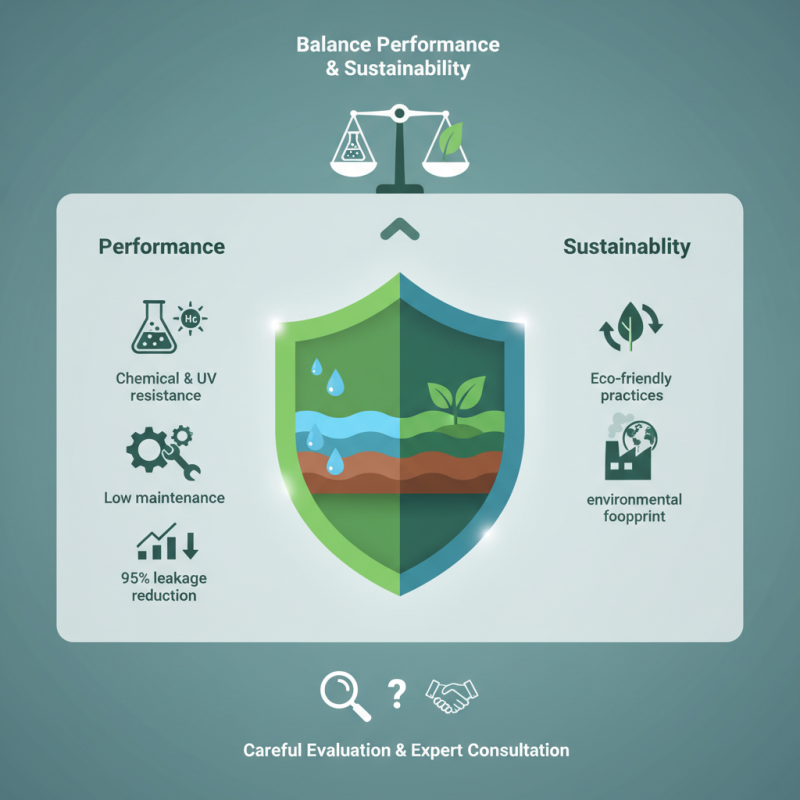
Reliable data indicates that projects utilizing Eva Geomembranes experience lower maintenance costs and extended lifespans. In fact, studies reveal that these materials can reduce leakage by up to 95% in landfill applications. However, not all Eva Geomembranes are created equal, and selecting low-quality options could lead to long-term failures. This highlights the need for careful evaluation and expert consultation to meet specific project demands.
Investing in high-quality Eva Geomembrane can yield significant environmental benefits. Yet, an emerging concern is the environmental footprint of these products during production. Thus, it is essential to balance performance and sustainability. A reflective approach involves choosing Eva Geomembranes that not only perform well but also align with eco-friendly practices.
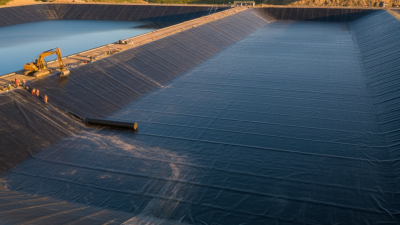
EVA geomembrane has gained attention for its unique composition and properties. Ethylene-vinyl acetate (EVA) is a copolymer known for its flexibility and durability. This material combines the best characteristics of both ethylene and vinyl acetate. Its elasticity allows it to sustain various environmental conditions, making it suitable for diverse projects. This feature is essential for preventing leaks in landfills or water containment areas.
The properties of EVA geomembrane are noteworthy. It is resistant to UV radiation and has good temperature tolerance. These characteristics ensure its longevity in outdoor applications. Additionally, EVA offers superior chemical resistance, which is vital in environmental projects. However, the production process can lead to variability in quality. It’s essential to evaluate suppliers carefully to ensure reliable performance.
Experts recommend considering the thickness of the geomembrane for specific projects. Thicker membranes tend to provide better durability and longevity. Though more expensive upfront, they might save costs on repairs or replacements in the long run. Understanding these details is crucial for effective project management. Selecting the right EVA geomembrane can significantly impact environmental outcomes, which should not be overlooked.
| Property | Details |
|---|---|
| Material Composition | Ethylene-Vinyl Acetate (EVA) |
| Thickness Range | 0.5 mm - 2.0 mm |
| Tensile Strength | 12-25 MPa |
| Elongation at Break | 400% - 600% |
| UV Resistance | High |
| Color Options | Black, White, Green |
| Temperature Resistance | -30°C to 50°C |
| Applications | Landfills, Reservoirs, Agriculture |
| Standards Compliance | ASTM, GRI, ISO |
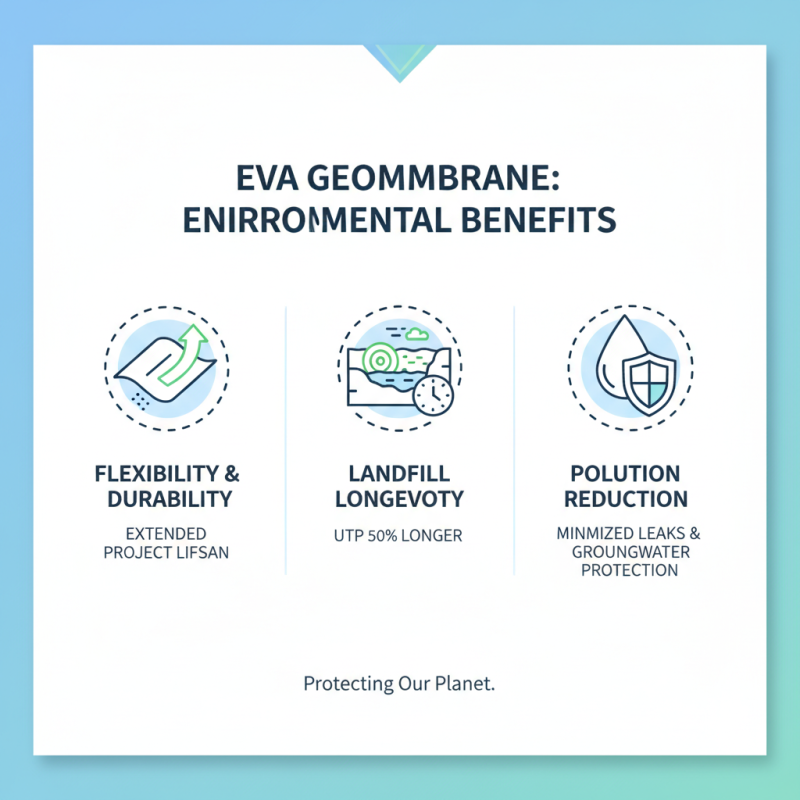
EVA geomembranes are increasingly recognized for their role in environmental projects. These materials are known for their excellent flexibility and durability. Studies indicate that EVA geomembranes can extend the lifespan of landfills by up to 50%. This durability minimizes leaks and reduces contamination in groundwater.
The physical properties of EVA make it resistant to ultraviolet light and extreme temperatures. This ensures that projects in diverse climates remain effective. In addition, the material's ability to withstand punctures is crucial for landfill applications, where sharp materials can compromise barrier integrity. Research from industry experts suggests that using EVA can decrease maintenance costs related to environmental protection systems.
However, the production process of EVA geomembranes often raises concerns about sustainability. While they provide excellent protective qualities, the environmental impact of their manufacturing should be acknowledged. There is a need for continued research into more eco-friendly production methods. The balance between performance and sustainability is a vital conversation in the industry.
When evaluating liner options for environmental projects, EVA geomembranes stand out for their flexibility and durability. They offer excellent resistance to UV light, punctures, and low temperatures. These properties make EVA an ideal choice for applications like landfill liners and water containment systems.
In comparison to other liners, such as HDPE or PVC, EVA geomembranes provide better elongation and tear strength. This means they can adapt to ground movements without compromising integrity. While HDPE is known for its high tensile strength, it lacks the same level of flexibility. In contrast, PVC can be more cost-effective but often suffers from chemical resistance issues.
Though EVA geomembranes have numerous advantages, they are not without challenges. Their production process can be more complex, leading to higher initial costs. Additionally, some projects may require specific testing to ensure compliance with local regulations. Evaluating the right liner involves balancing performance, cost, and environmental impact. Understanding these nuances can guide project managers toward the best decision.
Choosing the right thickness and size of EVA geomembrane is crucial for any environmental project. The thickness can impact durability and flexibility. For projects dealing with waste containment or water management, a thicker membrane often offers better protection. Yet, thicker materials can be harder to install, leading to potential waste during the installation process.
Size is another important factor. A geomembrane that fits the application area correctly minimizes seams and potential leak points. Accurate measurements are essential. Oversized membranes can lead to complications, while undersized ones may not provide adequate coverage. It is vital to balance coverage and practicality when selecting dimensions.
Consider the specific environmental challenges your project faces. Soil type, water conditions, and potential chemical exposure all play a role in your selection. While thicker membranes can be beneficial, they may not be necessary for every situation. Regularly reviewing your choice can prevent future issues, ensuring your project maintains its integrity over time.
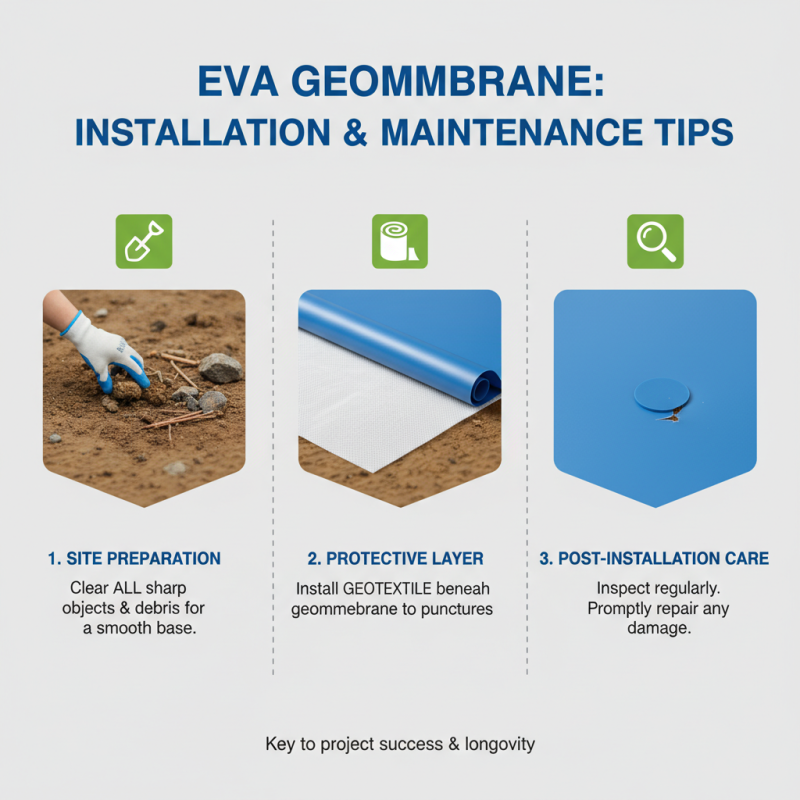
When working with EVA geomembranes, proper installation is critical to project success. Begin by surveying the installation site for any sharp objects or debris. A clean surface minimizes damage to the geomembrane during installation. Use geotextiles beneath the geomembrane to provide a protective layer. This step safeguards against punctures, ensuring longevity.
Regular maintenance is essential to avoid costly repairs. Inspect seams and edges frequently for signs of wear. Look for any tears or punctures, and address them immediately. Applying a protective cover during harsh weather can extend the life of your geomembrane. Training personnel on proper handling is also vital, as improper techniques can lead to significant issues.
While EVA geomembranes offer excellent durability, they are not immune to degradation. Environmental factors like UV radiation can weaken the material over time. Consider using additives to enhance performance. Reflect on the installation process regularly to identify potential improvements. Having a clear maintenance plan in place will ensure your geomembrane project meets its long-term goals effectively.