Best Geogrid Paving Solutions for Durable Road Construction?
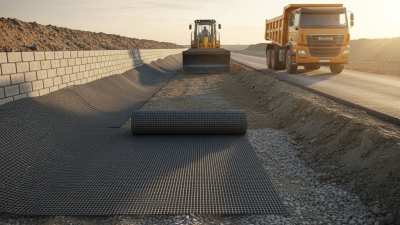
In today's fast-evolving construction industry, Geogrid Paving has emerged as a groundbreaking solution for durable road construction. According to a recent report by the American Road and Transportation Builders Association (ARTBA), the integration of geogrid technology can reduce pavement thickness by up to 30%, leading to significant cost savings. Expert in the field, Dr. Emily Hartman, emphasizes, "Geogrid Paving not only enhances road durability but also improves load distribution and decreases maintenance needs."
Despite its advantages, the adoption of Geogrid Paving is not without challenges. Many engineers still question its long-term benefits and implementation strategies. The reality is that while data supports its efficacy, real-world applications sometimes fall short. As we strive for more resilient infrastructure, it is crucial to evaluate both successes and shortcomings in using Geogrid solutions. Construction companies must navigate these complexities to truly harness the potential of Geogrid Paving for future projects.
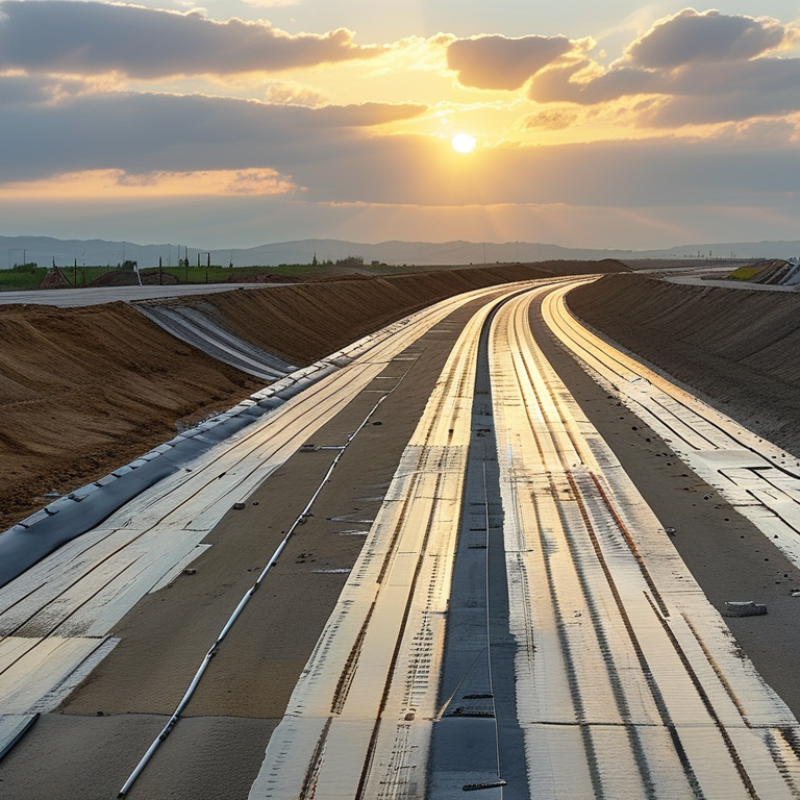
Best Geogrid Types for Enhancing Road Load-Bearing Capacity
When it comes to road construction, geogrids offer significant advantages. They enhance the load-bearing capacity of flexible pavements, resulting in prolonged road life. A study by the International Road Assessment Programme indicates that using geogrids can improve the strength of the road bed by up to 40%. This enhancement reduces the need for frequent repairs, resulting in cost savings.
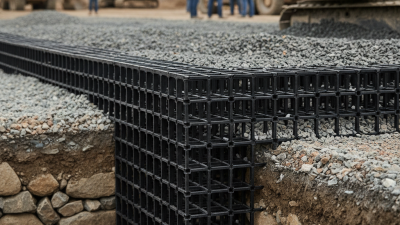
There are several types of geogrids tailored for different applications. For instance, polymeric geogrids are known for their excellent tensile strength, making them ideal for heavy-load scenarios. Another type, fiberglass geogrids, provides better performance in high-temperature conditions. However, the choice of geogrid type requires careful consideration of soil conditions and loading profiles. Misjudging these factors can lead to ineffective results.
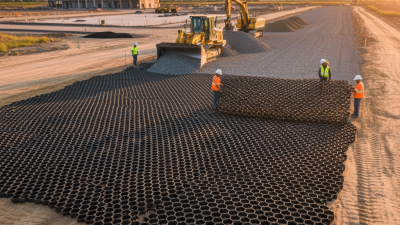
Furthermore, installation quality significantly impacts the performance of geogrids. Poor installation can negate the anticipated benefits of using geogrids in paving projects. Field observations suggest that up to 20% of geogrid installations fail to meet industry standards. Such failures highlight the importance of skilled labor and supervision during installation. The right combination of geogrid type and quality installation ensures roads that are both durable and reliable.
Impact of Geogrid on Road Performance and Longevity: Key Metrics
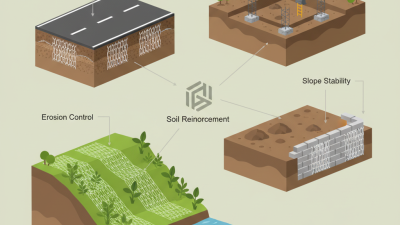
Geogrid technology significantly elevates road performance and longevity. By reinforcing the soil structure, geogrids mitigate deformation under traffic loads. This results in reduced rutting and cracking, extending road lifespan. Studies highlight that roads reinforced with geogrids can experience up to 50% less settlement compared to traditional methods. Users report fewer maintenance needs, translating to lower lifecycle costs.
Key metrics for geogrid impact include tensile strength, load distribution, and stability under varying moisture conditions. Road construction projects utilizing geogrids show enhanced durability. However, it’s essential to evaluate site-specific conditions before implementation. Not every project will benefit equally from geogrid technology. The right choice often requires technical expertise and local soil analysis.
Although geogrid solutions provide numerous advantages, they are not a one-size-fits-all fix. Some engineers express concerns about potential installation complexities. Geogrids require precise placement to be effective. Poor installation can nullify their benefits. Ongoing assessment and adjustments may be needed post-construction to ensure optimal performance.
Best Geogrid Paving Solutions Impact on Road Performance and Longevity
This chart illustrates the impact of different geogrid types on key performance metrics of road construction. The metrics include Load Distribution, Paving Thickness Reduction, and Long-term Durability.
Cost-Benefit Analysis of Geogrid Paving Solutions in Road Construction
Geogrid paving solutions can significantly enhance road construction durability. Their incorporation can help distribute loads more evenly, resulting in increased road stability. Cost analysis shows initial expenditures may be higher, but long-term savings in maintenance are substantial. By preventing structural failures, geogrids reduce the frequency of repairs and prolong road life.
When considering geogrids, it's crucial to assess soil conditions. Different soil types affect geogrid performance. A detailed site analysis can highlight potential challenges. Cost savings from reduced repairs may not be fully realized if soil conditions lead to unforeseen complications.
**Tip:** Consider using geogrids in areas with heavy traffic. They enhance load-bearing capacity, leading to better road performance.
Every project requires thorough planning. Unexpected site conditions can derail budgets and timelines. Regular reviews during construction can help identify issues early. This proactive approach minimizes costly setbacks.
**Tip:** Engage with engineers experienced in geogrid applications. Their insights can guide effective decision-making, ensuring proper use in road construction.
Best Geogrid Paving Solutions for Durable Road Construction
| Paving Material |
Geogrid Type |
Benefits |
Cost per Square Meter |
Lifespan (Years) |
Maintenance Frequency |
| Asphalt |
Polymer-coated |
Enhanced tensile strength, reduced deformation |
$10 |
15 |
Every 5 years |
| Concrete |
Biaxial |
Improved load distribution, crack control |
$12 |
25 |
Every 10 years |
| Gravel |
Uniaxial |
Stabilization, reduces erosion |
$8 |
10 |
Every 3 years |
| Paver Blocks |
Triaxial |
Enhances durability, easy to replace |
$15 |
20 |
Every 7 years |
Recent Innovations in Geogrid Technology for Sustainable Infrastructure
Recent innovations in geogrid technology are transforming road construction. Engineers are now focusing on sustainable infrastructure solutions. According to a recent study by the National Academy of Sciences, geogrids can increase road lifespan by up to 50%. They enhance soil stability and distribute loads more effectively. This results in reduced maintenance costs over time.
Advanced materials, such as polymeric geogrids, are lightweight yet strong. They provide significant reinforcement for weak soils. The Global Geosynthetics Market report indicates a projected growth of 11% annually, emphasizing the rising demand for these materials. However, the integration of geogrids requires expertise. Misapplications can lead to failure in road systems.
Sustainability remains a focal point. Utilizing recycled materials in geogrid production is gaining traction. This approach reduces waste and lowers carbon footprints. Builders are encouraged to consider local soil conditions and incorporate geogrids wisely. This ensures long-lasting and environmentally friendly roadways. Yet, ongoing research is vital. Continuous improvement is necessary to address challenges in various climates and soil types.
Case Studies: Successful Implementations of Geogrid in Road Projects
Geogrid technology has revolutionized road construction, enhancing durability and performance. Case studies reveal that implementing geogrids results in measurable improvements in road strength. For instance, a study by the Transportation Research Board noted up to a 30% increase in load-bearing capacity with geogrid reinforcement. Projects across various environments showcase geogrids enhancing stability, reducing maintenance costs, and prolonging road lifespan.
One remarkable case involved a major highway project that faced heavy traffic stress. The introduction of a geogrid resulted in diminished rutting and cracking. This project highlighted that geogrids not only handled the load better but also improved water drainage, which is critical for road longevity. However, it's essential to note that improper installation can negate these benefits.
Tips: Always assess soil conditions before selecting geogrid types. Regular maintenance can maximize the effects of geogrids, ensuring optimal performance over time. Monitoring performance metrics post-installation can provide insights for future projects. As geogrid applications expand, understanding their limitations will be key to harnessing their full potential.