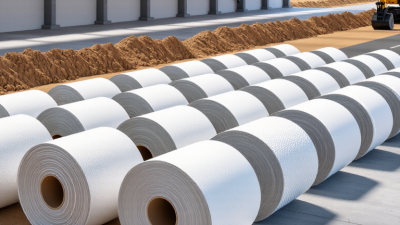
Why Choose Geotex Membrane for Your Project?

Geotex Membrane can help manage water, soil movement, and drainage in projects ranging from roadbeds to landscaping. The name alone, however, does not define its performance. Materials differ in composition, thickness, permeability, and intended use. A membrane chosen for filtration may not suit containment or reinforcement. Check the technical data sheet against the site conditions.

Industry guidance supports careful selection. The Federal Highway Administration’s Geosynthetic Design and Construction Guidelines (FHWA-NHI-07-092) discusses geosynthetics for functions including separation, filtration, drainage, and reinforcement. Grand View Research estimated the global geotextiles market at about USD 8.6 billion in 2023, reflecting broad use across construction and infrastructure. That market estimate is not proof that any product will fit a particular project. Soil type, water flow, installation quality, and long-term exposure still matter. Small details matter. A folded edge or poorly prepared subgrade can undermine the work. Geotex Membrane may be a practical option when its documented properties match the design requirements. This guide considers its common applications, benefits, limitations, and selection criteria. Some project decisions remain uncertain until a qualified professional reviews the site.
Why Choose Geotex Membrane for Your Project?

What Is a Geotex Membrane?

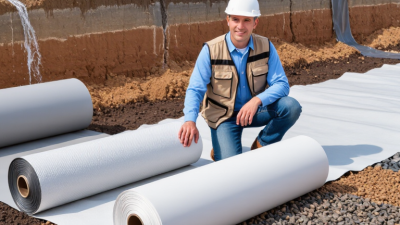
“Geotex membrane” commonly refers to a geotextile: a permeable fabric made from synthetic fibers and placed against soil or aggregate. The term can be confusing. Unlike an impermeable geomembrane, a geotextile usually lets water pass while controlling soil movement. The Federal Highway Administration’s Geosynthetic Design and Construction Guidelines (NHI-07-092) identifies four main functions: separation, filtration, drainage, and reinforcement. Four practical roles. For example, beneath a gravel path, the fabric can help keep fine soil from mixing with the stone while allowing water to drain. It is not a cure for poor grading or blocked outlets.

A suitable fabric is selected using measured properties, not appearance alone. ASTM D4751 evaluates apparent opening size, which helps assess whether soil particles can pass through; ASTM D4491 measures water-flow characteristics. Tensile and puncture resistance also matter when crews place sharp aggregate or compact heavy equipment nearby. The required values depend on the soil, water flow, and installation conditions. A fabric that filters well in one soil may clog in another. That detail is easy to underestimate. Check the project specifications and test data, and verify seams, overlaps, and damage during installation.

How Does a Geotex Membrane Work?

Why Choose Geotex Membrane for Your Project?

How Does a Geotex Membrane Work?

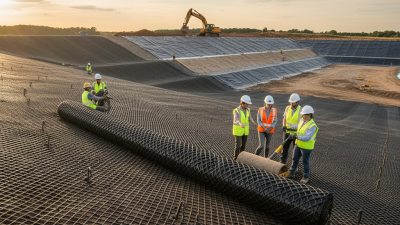
A geotex membrane works by controlling how soil, water, and aggregate interact. In a road base, for example, it can sit between soft subgrade and crushed stone. The fabric helps keep the stone from sinking into the soil while allowing water to pass through. The Federal Highway Administration’s 2008 Geosynthetic Design and Construction Guidelines identify four principal geotextile functions: separation, filtration, drainage, and reinforcement. One sheet may perform more than one function, depending on its weave, strength, and pore size.

Filtration is a useful example. Water moves through the membrane, while its openings help limit the movement of soil particles. That balance matters beside a drain or beneath a gravel path: water needs an exit, but escaping fines can weaken the ground. ASTM D4491 provides a standard method for measuring water flow through geotextiles, helping designers compare products using test results rather than appearance alone. Small detail. A fabric that looks sturdy may still have unsuitable flow or opening characteristics.

For a project, match the membrane to the soil, expected loads, and installation conditions. Check the technical sheet for relevant test values, then consider seams, overlaps, puncture risk, and protection during placement. The FHWA guidance also emphasizes evaluating survivability during installation; sharp aggregate can damage a sheet before it ever performs its intended job. In practice, site conditions rarely match a neat drawing perfectly. That is worth allowing for.

Why Choose Geotex Membrane for Your Project? - How Does a Geotex Membrane Work?

Design Dimension How the Geotextile Works Common Project Uses Key Selection Check
Separation A permeable textile layer keeps adjacent soil and aggregate layers from mixing while allowing water to pass through. Road subgrades, unpaved access roads, and rail track beds. Check survivability during installation, tensile properties, and compatibility with the soil and aggregate.
Filtration The fabric retains soil particles while permitting water to flow across it, helping limit soil loss and clogging when correctly designed. Drainage trenches, retaining-wall drainage, and soil-side protection around drainage aggregate. Match apparent opening size and water-flow capacity to the soil gradation and project conditions.
In-plane drainage Some geotextiles, especially thicker products, can transmit water along their plane; many drainage systems instead use a geotextile filter with a separate drainage core or aggregate. Behind walls, beneath pavement, and in subsurface drainage assemblies. Check flow capacity under the expected compressive load and confirm the complete drainage path and outlet.
Reinforcement A suitable geotextile can interact with soil to help distribute load and limit deformation; performance depends on tensile strength, elongation, anchorage, and soil interaction. Embankments, working platforms, and selected soft-ground applications. Use project-specific geotechnical design; do not select reinforcement from fabric weight alone.
Erosion control A geotextile can protect soil beneath rock or other surface armor and reduce particle movement while water passes through. Drainage channels, shoreline works, and beneath riprap. Assess flow conditions, soil retention, installation damage, and the need for anchoring or surface protection.
Fabric type Woven fabrics are commonly selected where defined tensile behavior and separation or reinforcement are important; nonwoven fabrics are often used for filtration, drainage, and cushioning. The intended function should guide selection. Selection depends on the soil, hydraulic conditions, loading, and installation method. Compare tested properties and design requirements rather than relying only on woven/nonwoven labels.
Testing and specification Standardized tests describe properties such as tensile behavior, apparent opening size, and water permeability; test results support engineering selection but do not replace design. All projects where verified product properties are required. Common references include ASTM D4595 or D4632 for tensile properties, ASTM D4751 for apparent opening size, and ASTM D4491 for water permeability. Confirm the applicable standard and edition in the project specification.

Note: A geotextile is generally permeable and is not a waterproofing geomembrane. Final product selection should be based on site-specific soil, hydraulic, loading, installation, and design requirements.

Where Are Geotex Membranes Used?

Why Choose Geotex Membrane for Your Project?
Where Are Geotex Membranes Used?

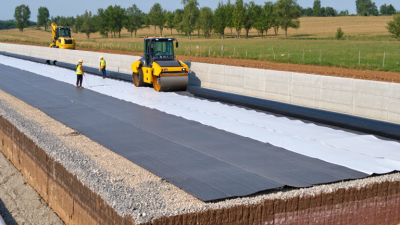
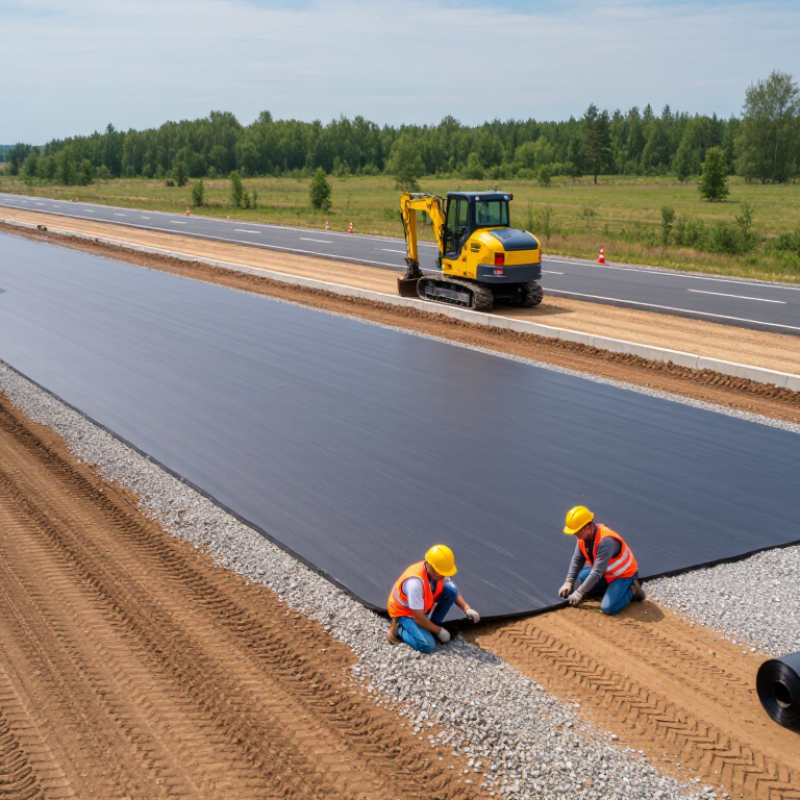
Geotextile membranes are used in road construction, drainage, landscaping, and erosion-control projects. Beneath a gravel access road, permeable fabric can separate soft soil from aggregate while allowing water to pass through. This helps limit mixing and rutting under repeated traffic. It cannot replace sound grading or a properly designed base. Small details matter.

Around retaining walls and foundations, fabric can filter soil while drainage gravel directs water toward an outlet. In gardens and planted slopes, it can help reduce soil movement without blocking water flow. Along channels or embankments, a suitable grade may protect exposed ground from erosion. Yet poor anchoring can leave edges vulnerable.

Different projects need different materials. Geotextiles are generally permeable; geomembranes are designed to restrict liquid movement. They can also work together, with geotextile cushioning or protecting a liner. Before choosing, consider soil type, loads, water flow, UV exposure, and installation conditions. Specifications can miss real site conditions. A qualified civil engineer can help confirm the right material and placement.

Why Choose Geotextile Membranes for Your Project?

Geotextiles are permeable fabrics used in civil engineering to separate, filter, drain, reinforce, or protect soil and other materials. Their role depends on the project design and selected product.

Where they are used: road and rail construction, retaining walls, landfill liner systems, and erosion-control works. The chart is a qualitative guide: 1 indicates a function commonly used in that application; 0 means it is not highlighted here. It does not show performance ratings or usage frequency.

What Benefits Can a Geotex Membrane Provide?

Why Choose Geotex Membrane for Your Project?

What Benefits Can a Geotex Membrane Provide?

A geotex membrane can separate soil layers while allowing water to pass through. On a driveway, for example, it helps keep fine subsoil from mixing with crushed stone under repeated vehicle loads. That can reduce rutting and help the aggregate layer stay more consistent. Water still needs a route out. A membrane alone will not fix poor drainage.

It may also filter sediment and support drainage around paths, retaining structures, and landscaping. The right fabric depends on soil type, expected loads, water flow, and installation conditions. Check the project specifications rather than choosing by thickness alone. Small details matter: overlaps need to remain in place, and sharp stones can puncture fabric during installation. Not magic, just a useful layer. One limitation is easy to overlook: an unsuitable grade may clog or stretch under load. Inspect the site conditions, confirm product data, and ask a qualified designer when the consequences of failure are significant.

How Do You Select and Install a Geotex Membrane?

Why Choose a Geotextile Membrane for Your Project?

How Do You Select and Install a Geotextile Membrane?

Selecting a geotextile membrane starts with the job it must do. For drainage, filtration, separation, or soil reinforcement, check its strength, permeability, and opening size. Compare product data with the soil type and expected water flow, not just the price. A membrane suitable beneath a garden path may not work on a steep bank or vehicle route. Site conditions matter.

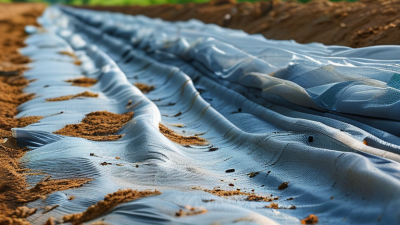
Prepare a firm, even base. Remove sharp stones, roots, and debris that could puncture the fabric. Roll out the membrane without stretching it, then overlap seams according to the project specification. Secure the edges and cover the fabric promptly with suitable aggregate or soil. Avoid driving directly over exposed material. Small wrinkles may seem harmless, but can create weak spots once buried. Follow the technical sheet and seek qualified advice when loads or drainage conditions are uncertain.

Tips: Keep the roll dry and clean before installation. Check seams and edges before covering; repairs are harder later. Field conditions rarely match drawings perfectly. Pause and reassess if the soil is softer or wetter than expected.