10 Essential Tips for Using Plastic Geonet in Your Projects?

In the world of civil engineering, Plastic Geonet plays a crucial role in enhancing project durability and efficiency. Dr. Emily Sharpe, a leading expert in geosynthetics, emphasizes, "Plastic Geonet provides an innovative solution for effective drainage and soil stabilization." Her insights highlight the importance of this material in construction projects.

Plastic Geonet is widely used in various applications, such as landfill liners and erosion control. Utilizing it correctly can significantly impact project outcomes. However, many professionals overlook its potential and face challenges, such as improper installation or inadequate material knowledge. These pitfalls can lead to costly setbacks, proving that expertise is essential.

Understanding the nuances of Plastic Geonet is vital for engineers and contractors. Each project may present unique difficulties. Recognizing these challenges allows for better strategies to ensure success. Embracing learning opportunities can provide valuable insights into the effective use of Plastic Geonet in future endeavors.
10 Essential Tips for Using Plastic Geonet in Your Projects?

Understanding Plastic Geonet and Its Applications

Plastic geonets have gained significant importance in various engineering and construction projects. These versatile materials offer excellent drainage solutions while also serving as a framework for soil reinforcement. Their lightweight nature makes them easy to transport and install, yet they provide robust support in a range of applications, such as road construction and landfill systems.

Understanding the specific applications of plastic geonets can enhance project outcomes. For instance, their ability to facilitate water flow helps prevent soil erosion in slopes and landscapes. However, not every project may benefit from their use. A careful assessment of soil conditions, load-bearing requirements, and environmental factors is essential. Relying solely on the advantages of geonets without a thorough analysis can lead to compromised project integrity, prompting a reflective approach to their application.

Experimentation with different designs and configurations can yield valuable insights. Beyond standard uses, exploring innovative applications might lead to unexpected benefits. Regularly reviewing project performance against initial assumptions can also inform future decisions, ensuring optimized use of resources while minimizing risks.

Plastic Geonet Applications and Performance

This chart illustrates the performance ratings of different applications of plastic geonet. Each application is rated on a scale from 0 to 100, showcasing the efficiency and effectiveness of plastic geonet in various projects.

Key Benefits of Using Plastic Geonet in Construction Projects

Plastic geonet has emerged as a critical material in construction. Its lightweight structure enhances drainage and filtration in various applications. According to a recent report by the International Geosynthetics Society, the use of geonets can reduce water infiltration by up to 75%. This is vital for projects exposed to heavy rain or flooding.

The durability of plastic geonets contributes to their popularity. They are resistant to chemicals and environmental degradation. This endurance results in lower maintenance costs over time. Research indicates that projects utilizing plastic geonets have seen a 30% increase in lifespan compared to traditional drainage solutions. However, not all geonets are created equal. It's essential to consider material quality and project specifications for optimal performance.

While their benefits are clear, challenges exist. Installation errors can occur, leading to inadequate drainage. Understanding the installation process is crucial for maximizing effectiveness. Regular monitoring and adjustments may also be necessary to ensure long-term reliability. This reflects the need for project teams to stay informed and adaptable. Balancing cost, performance, and maintenance is key to leveraging plastic geonets successfully.

10 Essential Tips for Using Plastic Geonet in Your Projects

Tips Description Key Benefits
1. Choose the Right Type Select a geonet that fits your project's specific requirements, such as drainage or reinforcement. Increased effectiveness of the project.
2. Understand Installation Techniques Familiarize yourself with proper installation procedures to avoid mistakes. Ensures long-term durability.
3. Assess Environmental Conditions Evaluate soil and water conditions to determine the best use of geonets. Maximizes performance under specific conditions.
4. Budget for Quality Materials Invest in high-quality geonets to ensure project success. Reduces future repair and maintenance costs.
5. Use in Combination with Other Materials Consider pairing with geotextiles or other reinforcements for enhanced performance. Improves overall structural integrity.
6. Regular Maintenance Checks Schedule periodic inspections to ensure the geonet functions as intended. Prevents issues before they arise.
7. Train Your Team Provide training on the proper handling and installation of geonets. Enhances workforce efficiency.
8. Monitor Performance Keep track of how well the geonet performs in various conditions. Informs future project decisions.
9. Consider Local Regulations Ensure your use of geonet complies with local construction laws. Avoids legal complications.
10. Evaluate Cost-Effectiveness Analyze the long-term savings versus initial investment in geonets. Ensures budget-friendly project choices.

Installation Techniques for Effective Performance of Geonets

10 Essential Tips for Using Plastic Geonet in Your Projects?

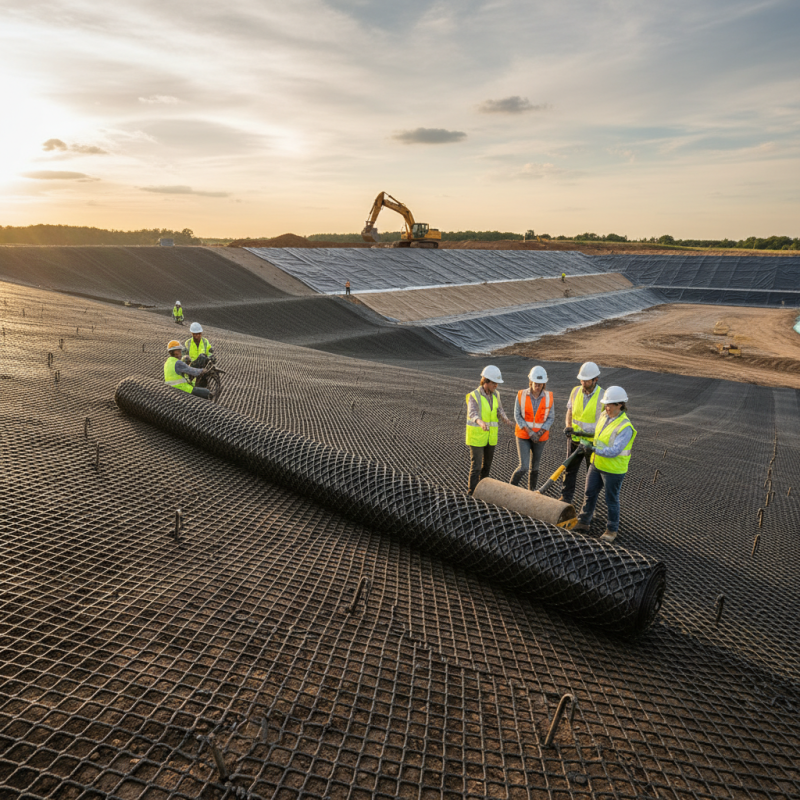
When working with plastic geonets, proper installation is crucial for achieving optimal performance. Understanding the terrain and project requirements is the first step. Site evaluation helps identify the right geonet type for drainage or reinforcement. A detailed plan should factor in soil conditions, water flow, and load requirements.

Tip: Always make sure to over-excavate the area before laying down the geonet. This allows for better drainage and minimizes potential issues. During installation, ensure that the geonet lies flat against the substrate. Incorrect placement can lead to voids which compromise effectiveness.

Another point to consider is the connection between geonets and surrounding materials. Seamless integration reduces the risk of soil intrusion. Use anchoring stakes or weights to secure the geonet during installation. This helps maintain its position and alignment, especially in windy or unstable conditions.

Tip: Monitor weather forecasts. Heavy rain or wind may affect your installation. Adjust your schedule accordingly to avoid complications. Reflecting on past installations can provide valuable insights. What worked? What didn’t? Learning from experience is vital for success.

Maintenance and Inspection Practices for Longevity of Geonet Systems

Ensuring the longevity of geonet systems necessitates regular maintenance and inspection practices. According to industry data, well-maintained geonets can last over 25 years. Conducting visual inspections every six months is critical. Look for signs of wear, clogging, and displacement. Early detection can prevent costly repairs later.

A practical tip is to maintain a logbook for inspections. Consistently documenting findings helps track changes over time. Additionally, keep the site free from debris. Accumulated materials can severely hinder drainage performance. Simple actions can extend the life of geonet systems.

Another important factor is environmental considerations. Different soil types may affect geonet performance. For example, clay soils can cause higher clogging rates. It’s essential to adjust maintenance routines based on site conditions. Testing for sediment build-up every year can guide necessary actions. Attention to the specific environmental context allows for more tailored and effective maintenance strategies.

Common Challenges and Solutions When Working with Plastic Geonet

Working with plastic geonet can bring about unique challenges. One common issue is proper anchoring. Poor anchoring can lead to instability in your projects. To address this, use mechanical anchors or weighted solutions. Ensure that the geonet is well secured to prevent shifting during installation.

Another challenge is managing water flow. Plastic geonet systems are designed for drainage, but if not installed correctly, they might cause pooling. Sometimes, it helps to adjust the grading around the installation area. Check for uneven surfaces that could lead to water accumulation. Having a proper slope can greatly enhance the system's performance and longevity.

Lastly, consider the environmental impact. Plastic materials can create long-term waste. It is essential to plan for recycling or reusing parts of your geonet systems. Regularly inspecting and maintaining the installation will also minimize waste and ensure functionality. Reflect on your approach to using these materials; it can improve both performance and sustainability.