2026 Top Plastic Geocell Innovations for Global Buyers?
In the rapidly evolving construction landscape, the significance of Plastic Geocell technology cannot be overlooked. As global infrastructure demands grow, innovative solutions are essential. According to a recent market research report, the Plastic Geocell market is projected to reach $2.1 billion by 2026, reflecting a compound annual growth rate (CAGR) of 10%. This growth highlights increased reliance on geocell applications in civil engineering and environmental projects.
Expert insights affirm the potential of this technology. Dr. Jane Thompson, a leader in geosynthetic materials, stated, "The future of construction lies in our ability to use innovative materials like Plastic Geocell." This emphasizes the shift toward sustainable and efficient building practices. Current advancements include improved durability and environmental resistance, yet challenges remain in standardization and material performance across diverse climates.
As global buyers consider these innovations, understanding the evolving market landscape is crucial. The drive for enhanced performance versus cost efficiency often leads to difficult decisions. Buyers must weigh the benefits of adopting new Plastic Geocell technologies against potential risks and uncertainties. Engaging with experienced manufacturers could provide valuable guidance in navigating this complex landscape.
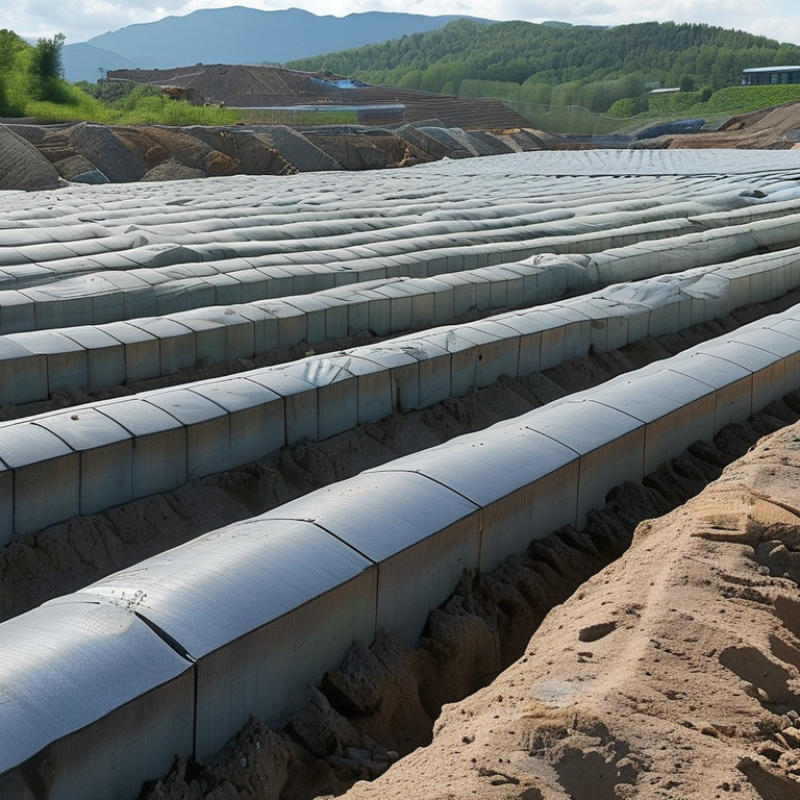
2026 Trends in Plastic Geocell Technology Innovations
The 2026 trends in plastic geocell technology innovations highlight a shift towards more sustainable materials. According to recent industry reports, the demand for eco-friendly geocell solutions is rising globally. Approximately 40% of construction projects are now seeking materials that minimize environmental impact. New biopolymer composites are gaining traction, as they offer comparable strength without the ecological cost of traditional plastics.
Advancements in manufacturing techniques are also noteworthy. 3D printing is integrating into geocell production, allowing for tailored designs that cater to specific project needs. This approach reduces waste and enhances precision. Data indicates that projects utilizing custom geocells report a 30% increase in efficiency on-site. However, challenges remain in scaling these technologies. The production costs of innovative geocells can be higher, impeding widespread adoption.
Furthermore, while the focus on durability and longevity is vital, the performance under extreme conditions is still being tested. Research shows that geocells can perform well in standard conditions, but their behavior under severe weather events merits more exploration. Only with thorough testing can the industry ensure reliability across various applications. Ongoing collaboration among stakeholders will be essential in achieving these advancements.
2026 Trends in Plastic Geocell Technology Innovations
| Innovation Area |
Description |
Potential Applications |
Sustainability Impact |
| Smart Geocells |
Incorporating IoT sensors for real-time monitoring of soil conditions. |
Infrastructure, Environmental Monitoring |
Enhances resource management and minimizes waste. |
| Recyclable Materials |
Development of geocells using 100% recyclable plastics. |
Road Construction, Erosion Control |
Reduces environmental footprint and enhances recyclability. |
| Enhanced Durability |
New formulations to improve resistance to UV and chemical degradation. |
Landfills, Mining Operations |
Extends product lifecycle and reduces replacement frequency. |
| Biodegradable Options |
Innovations in materials that decompose naturally over time. |
Temporary Structures, Green Roofs |
Significantly reduces long-term waste impact. |
| 3D-Printed Geocells |
Customization of shapes and sizes using 3D printing technology. |
Civil Engineering, Custom Applications |
Minimizes material waste through precise layering. |
Key Features of Advanced Plastic Geocells for Buyers
In 2026, the landscape of plastic geocell innovations promises to reshape construction and landscaping.
Advanced plastic geocells are designed with enhanced durability and flexibility. These features make them suitable
for a variety of applications, from erosion control to load-bearing surfaces. Buyers value products that withstand
harsh weather conditions. Materials should resist UV degradation and environmental wear.
Another important aspect is the ease of installation. Innovative designs allow for quicker deployment in
challenging terrains. This saves time and reduces labor costs. Some geocells come with interlocking systems that
enhance stability. However, not all designs guarantee optimal performance under every condition. Buyers must consider
factors such as soil type and load requirements.
Moreover, environmental sustainability is a growing concern. Many advanced geocells are manufactured from
recycled materials. This reduces the carbon footprint and promotes eco-friendliness. Yet, the effectiveness of
these products can vary. Assessing their long-term performance is crucial. Buyers should ensure that the chosen
geocells deliver reliability over time.
Comparative Analysis of Global Plastic Geocell Manufacturers
The global plastic geocell market is evolving rapidly. Manufacturers are focusing on innovative designs that enhance durability and flexibility. This innovation is crucial for various applications, including soil stabilization and erosion control. Different manufacturers adopt distinct approaches. Some prioritize eco-friendly materials, while others enhance mechanical strengths through advanced production techniques.
When analyzing these manufacturers, it becomes evident that expertise varies. Many companies emphasize research and development to stay competitive. They collaborate with construction experts to deliver tailored solutions. However, not all options meet stringent environmental standards. Buyers may find the trade-offs between durability and sustainability challenging.
It's essential to evaluate every product carefully. Potential users should consider both technical specifications and long-term impacts on the environment. Personal experience often guides decision-making. Prospective buyers should remain open to feedback from peers in the industry. Balancing innovation with reliability is key to making informed choices in the dynamic landscape of geocell technology.
Sustainability Practices in Plastic Geocell Production
The production of plastic geocells is increasingly focusing on sustainability practices. Many manufacturers are adopting eco-friendly materials and processes. This shift not only addresses environmental concerns but also enhances product performance. Recycling post-consumer plastics into geocells is gaining traction. This approach reduces waste and gives new life to materials that might otherwise end up in landfills.
Embracing renewable energy sources during production can significantly lower carbon footprints. Solar and wind energy are excellent options for powering manufacturing facilities. This shift is essential for companies aiming to improve their sustainability profile. Consistent auditing of supply chains can also reveal areas for improvement. Companies must remain vigilant about the origin of materials used in geocells.
Tips for buyers include researching the sustainability practices of manufacturers. Look for certifications or credible endorsements related to environmental responsibility. Supporting manufacturers that prioritize ethical production can lead to better long-term value. Neglecting these factors can result in missed opportunities for collaboration with forward-thinking companies.
Future Applications of Plastic Geocells in Construction and Landscaping
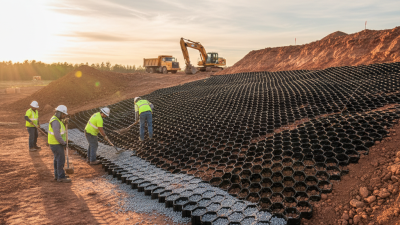
The construction and landscaping industries are increasingly turning to plastic geocells for innovative solutions. These three-dimensional structures provide effective reinforcement for soil and prevent erosion. According to a report by MarketsandMarkets, the global geocell market is projected to reach $2.2 billion by 2026, emphasizing the growing adoption of this technology.
One significant application of plastic geocells is in road construction. They improve load distribution, which can enhance road stability. In fact, studies indicate that geocell-reinforced layers can decrease material usage by up to 30%. However, while this technology is promising, challenges remain. For instance, the long-term durability of plastic geocells under harsh environmental conditions needs further research.
In landscaping, geocells facilitate vegetation growth in challenging terrains. They can help manage stormwater runoff effectively. Yet, not all soil types yield the same results. A mismatch between geocell design and local soil conditions can undermine performance. Continuous testing and adaptation are crucial for optimizing these systems. The future of plastic geocells hinges on addressing these gaps to fully realize their potential in construction and landscaping.
2026 Top Plastic Geocell Innovations for Global Buyers
This bar chart illustrates the projected applications of plastic geocells in construction and landscaping by 2026, highlighting their growing popularity and innovative uses in various regions.