How to Choose the Right Plastic Geocell for Your Project?
When it comes to selecting the right Plastic Geocell for your project, expertise plays a crucial role. John Smith, a well-known geosynthetics engineer, stated, “Choosing the appropriate Plastic Geocell can dramatically impact the success of your project.” This highlights the importance of informed decision-making in this field.
Plastic Geocells serve various applications, including erosion control and slope stabilization. Their versatility makes them valuable in civil engineering. However, not all geocells are created equal. Factors such as material quality, cell size, and intended use can all influence performance. This can be a daunting task even for seasoned professionals.
Understanding the specific needs of your project is essential. You may find that the best option for one scenario is unsuitable for another. Carefully evaluating your project's requirements is key. Reflecting on past experiences can aid in making a better choice. As the industry evolves, staying updated on advancements will enhance your decision-making process.
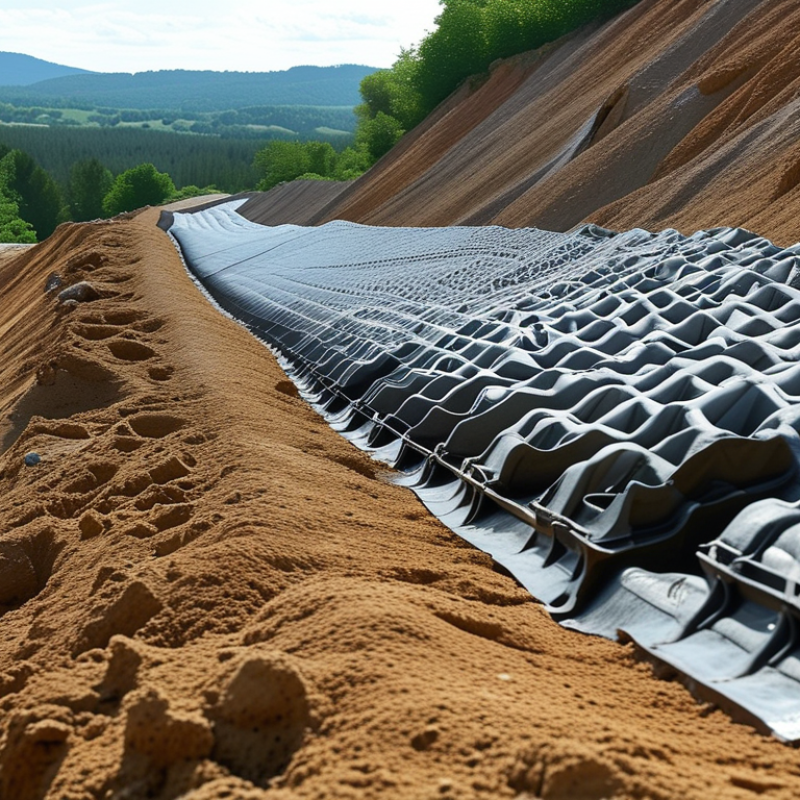
Understanding the Basics of Plastic Geocells and Their Applications
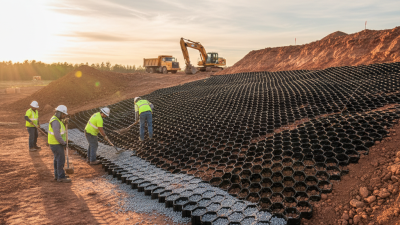
Plastic geocells are a versatile solution for a range of construction and environmental applications. Understanding their fundamental properties is crucial for selecting the right type for your project. These lightweight, cellular structures can effectively support soil and stabilize surfaces. According to industry reports, plastic geocells have been shown to enhance load distribution, which can lead to significant reductions in material costs and environmental impact.
The applications of plastic geocells are varied. They are often used in highway construction, erosion control, and landscaping. For instance, in road construction, geocells improve the subgrade strength, allowing for reduced aggregate usage while maintaining structural integrity. A study found that projects utilizing geocells showed a 30% increase in load capacity compared to traditional methods. However, it is essential to consider soil type and climate conditions, as not all geocells perform equally well under every circumstance.
Choosing the right geocell depends on specific project needs. Factors like cell size, material strength, and environmental impact all play a role. For example, thicker geocells may provide better support in heavy-load areas but can be more expensive. It’s crucial to weigh potential benefits against costs. Mistakes can easily happen if the wrong type is chosen, leading to project delays or failures. Hence, careful evaluation and thorough research are necessary for optimal outcomes.
How to Choose the Right Plastic Geocell for Your Project?
| Project Type |
Geocell Type |
Material Thickness (mm) |
Cell Depth (cm) |
Load Capacity (kN) |
Application |
| Road Construction |
Standard Geocell |
1.0 |
7 |
50 |
Base Stabilization |
| Landfill Management |
High-Strength Geocell |
2.5 |
10 |
80 |
Erosion Control |
| Slope Reinforcement |
Permeable Geocell |
1.5 |
8 |
60 |
Water Management |
| Railway Infrastructure |
Ultra-High Strength Geocell |
3.0 |
12 |
120 |
Load Distribution |
Evaluating Project Requirements for Geocell Selection
When evaluating the project requirements for geocell selection, understanding the specific conditions of your site is crucial. Soil type, moisture levels, and load-bearing needs must be assessed. For instance, sandy soils may require a different geocell design than clay soils. Consider how much weight the geocell will support, as this impacts its overall performance and longevity.
It's essential to look at environmental factors too. High water tables can affect geocell effectiveness. If the project site is prone to flooding, selecting a permeable geocell can lead to better drainage. Conversely, if erosion is a concern, a more rigid structure may be necessary. Not all geocells are equal, and making a choice can be challenging.
Ultimately, reflect on your project's unique challenges. Engage with experts to gain insights. Identify your specific needs through thorough research. Document your observations. Avoid hasty decisions based on assumptions. Each site presents different variables, leading to varying outcomes. This assessment process requires patience and attention to detail.
Key Features to Consider When Choosing Plastic Geocells
When selecting plastic geocells for your project, several key features demand attention. Material durability is vital, as geocells must withstand environmental stressors. Many reports highlight that high-density polyethylene (HDPE) geocells offer excellent resistance to UV rays and temperature variations. This ensures longevity and reduced maintenance costs over time.
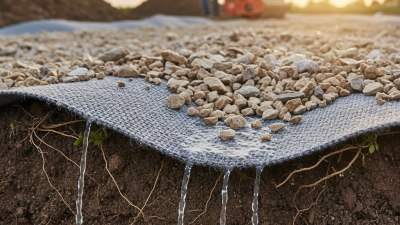
Another important consideration is the design of the geocell. Perforated designs facilitate drainage and vegetation growth, effectively preventing soil erosion. According to the Geosynthetics Institute, using geocells in erosion control can reduce soil loss by up to 80%. The cell depth and wall thickness play a role in load capacities, which can vary significantly between products. Check technical specifications to ensure they meet your project’s requirements.
Tips: Assess the project's environmental conditions. For high-stress areas, opt for thicker cell walls. Always evaluate your project’s unique demands before choosing a model. Geocell installation can be complex, impacting performance if done incorrectly. Consulting with experts can help avoid costly mistakes. Ensure your choice aligns with best practices for optimal results.
Comparing Different Types and Grades of Plastic Geocells
Choosing the right plastic geocell for your project is crucial. Different types and grades of plastic geocells serve various needs. Begin by considering the specific requirements of your project, such as load-bearing capacity and environmental conditions.
Some geocells are designed for heavy-duty applications, while others are suited for lighter tasks. High-density polyethylene (HDPE) is common for robust structures. In contrast, lower-density options may suffice for less demanding scenarios. It's essential to assess factors such as UV resistance and longevity based on the project's lifespan.
Tips: Always review product specifications carefully. Ask manufacturers about maintenance recommendations and installation practices. Understand the environmental impact of your chosen material. Testing small sections before full installation can prevent future issues.
Another aspect is compatibility with project materials. Ensure that the chosen geocell can integrate well with soil types or aggregate materials in use. This compatibility boosts the effectiveness of the geocell in stabilizing and reinforcing structures. Evaluate past project failures to learn from mistakes and avoid similar pitfalls in your work.
Best Practices for Installation and Maintenance of Geocells
Geocells are becoming essential for various construction projects. Proper installation ensures their effectiveness. According to industry reports, geocells can increase stability by up to 30%. However, common mistakes can undermine these benefits.
Before installation, site preparation is vital. Ensure the ground is clear and compacted. Poorly prepared surfaces can lead to uneven settling later. During installation, maintain the recommended depth for the cells. Many users overlook this detail, leading to inadequate performance.
Tip: Always double-check depth measurements. It's better to correct early than to face costly fixes later.
After installation, regular maintenance is crucial. Geocells may become clogged with soil or debris. This can affect drainage and stability. It's advisable to inspect the area periodically and clear any blockages.
Tip: Schedule maintenance every six months. Consistent checks can extend the lifespan of the installation. Avoiding neglect is key to the success of geocell systems. A proactive approach will help maintain their effectiveness for years.