How to Choose the Right Film Geotextile for Your Project?
Choosing the right Film Geotextile for your project can be a complex task. As John Smith, a renowned expert in geosynthetic materials, states, "Selecting the right product is the foundation of project success." Film Geotextiles are versatile and widely used in various applications, but understanding them requires careful consideration.
Many variables influence the effectiveness of Film Geotextiles. These include material properties, project requirements, and environmental conditions. Each project is unique, and a one-size-fits-all approach is rarely effective. Missteps in selection can lead to unforeseen challenges, affecting the project timeline and budget.
In the world of construction and environmental management, decisions make a lasting impact. Reflecting on past projects reveals that proper material selection often differentiates success from failure. Recognizing the nuances of Film Geotextiles is essential for delivering reliable and effective solutions. With the right knowledge, professionals can navigate the complexities and enhance project outcomes.
Understanding Film Geotextiles: Types and Characteristics
Film geotextiles serve a crucial role in various construction and landscaping projects, but selecting the right type is essential. Understanding their types and characteristics is fundamental for effective application.
Generally, film geotextiles are categorized into two main types: those made from polyethylene and those from polypropylene. Each type has distinct properties that influence their performance in specific scenarios.
Polyethylene film geotextiles are known for their durability. According to a report from the Geosynthetic Materials Association, these materials can last over a decade in harsh conditions. Their tensile strength and resistance to moisture make them ideal for subgrade stabilization.
Conversely, polypropylene film geotextiles typically offer superior UV resistance. This quality can be advantageous for projects exposed to sunlight, but it often leads to a compromise on tensile strength.
When evaluating these materials, one must consider the project's specific demands. Not all geotextiles provide the same level of filtration, drainage, or protection.
Research indicates that improper selection may lead to premature failure of the system. Current studies show that up to 30% of projects face delays due to inadequate material choices. It's crucial to analyze soil types, project duration, and expected load conditions to make an informed decision. This is where expertise in geotextile properties becomes invaluable.
Key Factors to Consider When Selecting Film Geotextiles
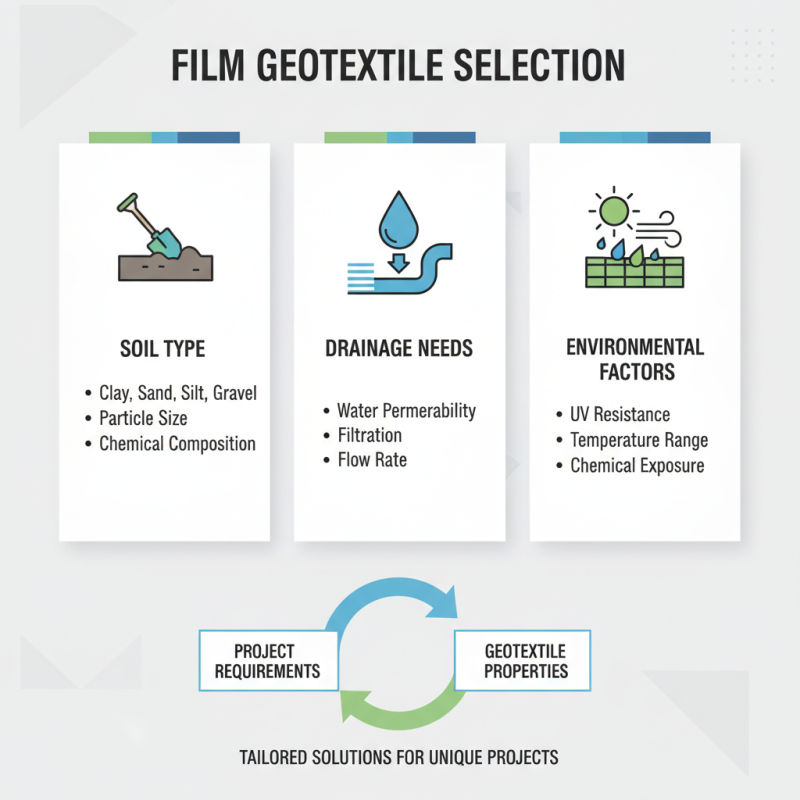
Choosing the right film geotextile can significantly impact your project's success. Consider the specific requirements of your project first. Factors like permeability, tensile strength, and durability are crucial. Assess the soil conditions and moisture levels. These elements can influence the selection process.
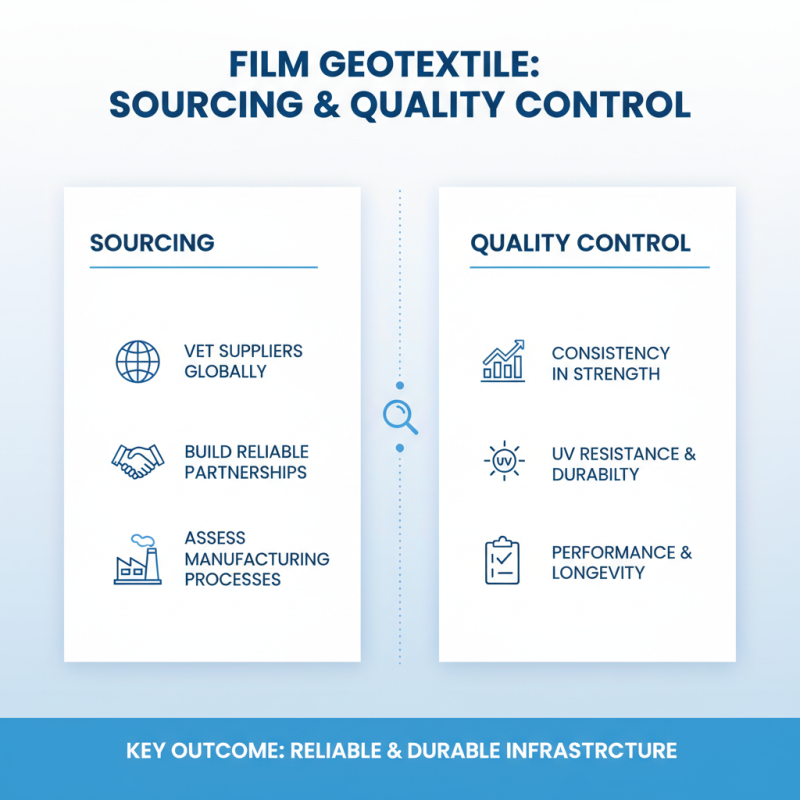
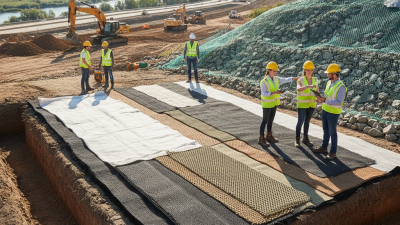
Engineers often overlook the importance of UV resistance. In prolonged exposure, some materials degrade quickly. This can lead to increased costs due to replacements. Pay attention to the installation environment. Different sites have unique challenges that may affect the geotextile's performance.
Cost is an important factor, but it shouldn't be the only one. Sometimes, cheaper options lead to more significant issues later. Reflect on the overall project lifespan. A well-chosen geotextile can enhance longevity and quality. Seek input from experienced professionals. Their insights can save time and resources in the long run.
Film Geotextile Selection Criteria
Assessing Project Requirements for Film Geotextile Applications
Choosing the right film geotextile for your project involves a careful assessment of your specific requirements. Different applications necessitate various properties in the geotextile. It's crucial to consider factors like soil type, drainage needs, and environmental conditions. Each project is unique, demanding a tailored approach to material selection.
Tips: Evaluate the soil's permeability. Understanding this helps determine the right geotextile type. Also, assess the site's climate. Extreme weather can impact your material’s performance, so consider durability accordingly.
It’s important to reflect on the project's lifecycle. Will the geotextile face constant pressure, or will it remain buried? Each scenario requires different strength characteristics. Additionally, think about future site management. Can the selected geotextile be easily integrated into maintenance plans?
Taking time to analyze these factors can lead to better decision-making. In the end, it helps to consult with experts when unsure. Their insights can illuminate potential oversights in your assessment process. Relying on experience and professional knowledge can enhance your project's success.
Evaluating Performance Specifications for Film Geotextiles
When selecting film geotextiles, understanding performance specifications is crucial. These specifications include properties like tensile strength, elongation, and permeability. Each project has unique demands. The right geotextile must meet specific site conditions and expected load factors.
Tensile strength reflects the material's durability. Higher strength is essential for projects expecting significant stress. Meanwhile, elongation measures the geotextile's ability to stretch without breaking. This is important in applications where soil movement occurs. Permeability indicates how well the geotextile allows water to pass through. Balance is key; it should prevent soil loss while permitting drainage.
Review existing projects similar to yours for insights. Look for case studies that detail performance outcomes. Conversations with engineers can reveal practical lessons learned. Reflecting on past experiences helps avoid common pitfalls. Proper evaluation ensures you select the geotextile that aligns with project needs.
How to Choose the Right Film Geotextile for Your Project? - Evaluating Performance Specifications for Film Geotextiles
| Specification |
Description |
Importance |
Typical Values |
| Tensile Strength |
The strength of the geotextile when pulled |
Critical for stability and load bearing |
20 - 100 kN/m |
| Permeability |
Ability to allow fluids to pass through |
Essential for drainage applications |
0.1 - 2.0 cm/sec |
| UV Resistance |
Resistance to degradation from sunlight |
Important for exposed applications |
< 20% strength loss over 500 hours |
| Thickness |
Thickness of the geotextile material |
Influences handling and installation |
0.5 - 3.0 mm |
| Life Expectancy |
Expected service life of the geotextile |
Financial implications for long-term use |
10 - 50 years |