Why is Geotextile Gsm Important in Civil Engineering?
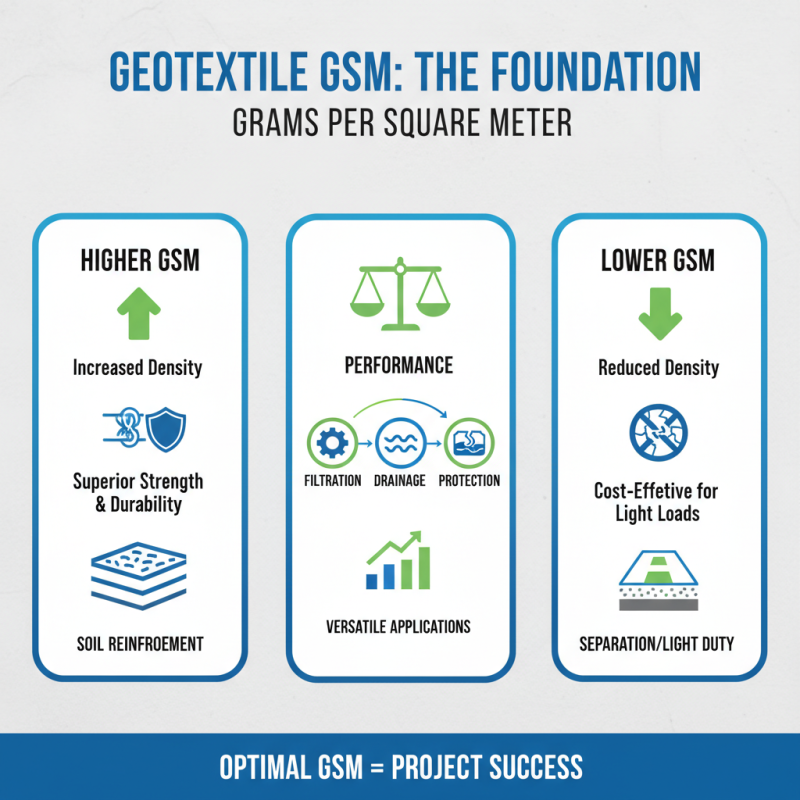
The role of Geotextile Gsm in civil engineering cannot be overstated. Geotextile materials, defined by their GSM (grams per square meter) density, influence various construction aspects. Engineers consider GSM as a crucial parameter when selecting geotextiles for specific applications. A higher GSM indicates greater strength and durability.
When dealing with soil stabilization or erosion control, the right GSM can enhance performance. However, the implications of GSM are not straightforward. Miscalculating the required GSM can lead to failures in projects, affecting long-term safety and stability. It is imperative to analyze project requirements and soil conditions accurately.
Despite advances in technology, misunderstandings about Geotextile GSM persist in the industry. Experience shows that professionals often overlook the importance of GSM, leading to unforeseen challenges. A balanced understanding of GSM and its application can greatly enhance project outcomes. It is an area that deserves continuous reflection and discussion among civil engineers.

Importance of Geotextile GSM in Civil Engineering
Geotextile GSM, or grams per square meter, plays a vital role in civil engineering. This measurement indicates the density of geotextiles, determining their performance in various applications. For instance, reports suggest that higher GSM materials possess superior strength and durability, which are essential for effective soil reinforcement.
Designers and engineers often select geotextiles based on their specific GSM properties. According to a recent industry analysis, low GSM fabrics (around 100-200) work well for filtration. Higher GSM fabrics (400+) offer greater load-bearing capacity. This is particularly important in road construction and slope stabilization, where soil integrity is crucial.
Tip: When choosing geotextile, consider environmental conditions. Soil type, moisture levels, and expected loads can all impact effectiveness. Remember, using the wrong GSM may lead to project failures or increased maintenance costs. It's essential to test materials and assess site-specific conditions to make informed choices. Balancing GSM with application requirements ensures safety and longevity in civil projects.
Definition of Geotextile GSM and Its Measurement
Geotextile GSM, or grams per square meter, is a critical measurement in civil engineering. It indicates the mass of the geotextile material, directly impacting its strength and durability. Understanding GSM helps engineers select the right geotextile for specific projects. A higher GSM often means better reinforcement and stability, which is essential in construction.
Measuring the GSM is quite straightforward. It involves weighing a standard size of the fabric, typically one square meter. This measurement impacts how the material performs in various conditions. For instance, lighter GSM fabrics may not provide adequate support in heavy-load situations. However, they are less expensive and easier to handle. The right balance between GSM and project requirements is vital for optimal results.
One must consider the project’s demands and the environmental conditions. Focusing solely on GSM can be misleading. Factors such as soil type, moisture, and anticipated load also play crucial roles. Engineers sometimes overlook these aspects, leading to subpar outcomes. Geotextiles serve more than just separation; they can filter, drain, and protect. A comprehensive assessment of all these factors is necessary for successful construction.
Applications of Geotextile GSM in Soil Stabilization
Geotextile GSM plays a crucial role in soil stabilization. The GSM, or grams per square meter, indicates the weight and thickness of the fabric. Higher GSM values provide increased strength, making them suitable for various civil engineering applications. A recent report from the International Geosynthetics Society shows that the global market for geotextiles is expected to reach $11 billion by 2024. This growth reflects the rising demand for effective soil stabilization techniques.
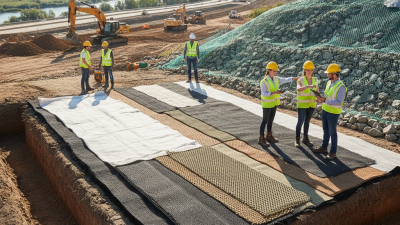
In soil stabilization, geotextiles help improve load distribution. They prevent soil erosion and provide support in road construction. Additionally, geotextiles reduce the effects of water on soil. According to studies, using geotextiles can reduce settlement by up to 40%. This significant reduction enhances the durability of structures. When implementing geotextile solutions, consider the specific site conditions. The chosen GSM must match the project's requirements.
Tips: Choose the right GSM for optimal results. Monitor the site's drainage effectiveness regularly. Understand that not all geotextiles are equal; a thorough analysis of material properties is essential. Make adjustments based on performance feedback. Soil stabilization techniques often require iteration and improvement.
Why is Geotextile Gsm Important in Civil Engineering? - Applications of Geotextile GSM in Soil Stabilization
| Application |
GSM Value (g/m²) |
Functionality |
Performance Index |
| Erosion Control |
150 |
Prevents soil erosion by stabilizing soil |
High |
| Drainage |
200 |
Allows water to flow while retaining soil |
Medium |
| Separation |
120 |
Separates soil layers to prevent mixing |
High |
| Reinforcement |
300 |
Enhances the load-bearing capacity of soil |
Very High |
| Filtration |
180 |
Filters water while preventing soil loss |
High |
Impact of Geotextile GSM on Drainage and Erosion Control
Geotextile GSM, or grams per square meter, plays a critical role in civil engineering, particularly in drainage and erosion control. Higher GSM geotextiles offer more durability and strength, making them suitable for reinforcing soil structures. The choice of GSM affects how effectively water flows through the material. A proper selection ensures optimal drainage, reducing waterlogging and the risk of erosion on slopes.
In drainage applications, geotextiles allow water to move while filtering out soil particles. This filtration helps maintain the integrity of the soil and promotes healthy vegetation growth. However, using low GSM materials can lead to problems. Insufficient strength may result in tearing, allowing silt to clog drainage systems. This can ultimately lead to project failure and increased costs.
In erosion control, the right geotextile secures loose soil and prevents washouts. It can be used in conjunction with vegetation or gravel for added stability. Yet, there are challenges. Not all sites are the same, and environmental factors can affect geotextile performance. Adjusting GSM based on site conditions might require careful consideration and testing. This reflection underscores the necessity of expert input in geotextile selection to enhance effectiveness.
Importance of Geotextile GSM in Civil Engineering
The bar chart above illustrates the effectiveness of various Geotextile GSM values in erosion control. As seen, higher GSM values indicate better performance in preventing soil erosion, underscoring the importance of selecting the appropriate GSM in civil engineering projects.
Factors Influencing the Selection of Appropriate Geotextile GSM
When selecting geotextiles for civil engineering projects, GSM (grams per square meter) plays a critical role. The GSM of a geotextile directly influences its strength, filtration capacity, and overall performance. Higher GSM values generally indicate better durability and load-bearing characteristics. For instance, projects involving heavy soil stabilization often require geotextiles with a higher GSM for effective performance. This choice can determine the lifespan and reliability of the structure.
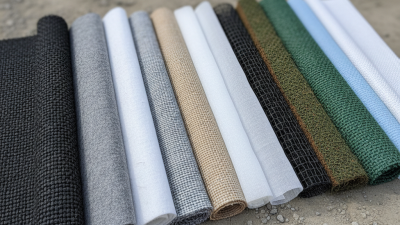
Several factors impact the selection of the appropriate geotextile GSM. The soil type is crucial; sandy soils may need different GSMs compared to clayey soils. Additionally, environmental conditions must be considered. In areas with heavy rainfall, a geotextile with adequate filtration and strength is essential to prevent erosion. Project scope and budget constraints can complicate decisions as well. Sometimes, a lower GSM might seem cost-effective but could lead to future maintenance issues.
It’s essential to evaluate each choice carefully. Engineers should not rush through this process. Understanding the specific application requirements ensures the selected GSM aligns with project needs. Balancing cost with functionality is often more challenging than anticipated. By recognizing these factors, engineers can make informed decisions that enhance project success over time.