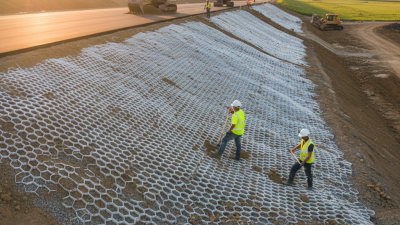
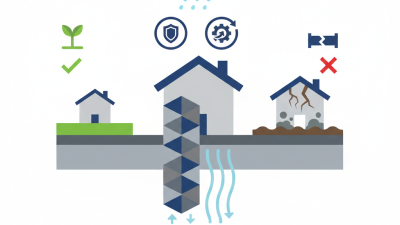
Ground stabilization is crucial in construction and landscaping. The right methods can enhance both safety and durability. This is where Baselok Geocell comes into play. This innovative system uses cellular confinement technology to protect and stabilize soil structures effectively.
Baselok Geocell is designed to manage soil deterioration. It helps in minimizing erosion while providing a stable foundation. Many professionals in the field have reported success when using this product. They note improved load distribution and reduced costs in maintenance. However, like any solution, it may not be perfect. Some users might find installation challenging or require additional training.
With the right approach, Baselok Geocell can be a game-changer. Choosing the appropriate depth and layout is essential. It's important to assess soil conditions before installation. By understanding the specific needs of a project, users can truly leverage the benefits of this product. As with any construction technique, careful consideration and planning are key.
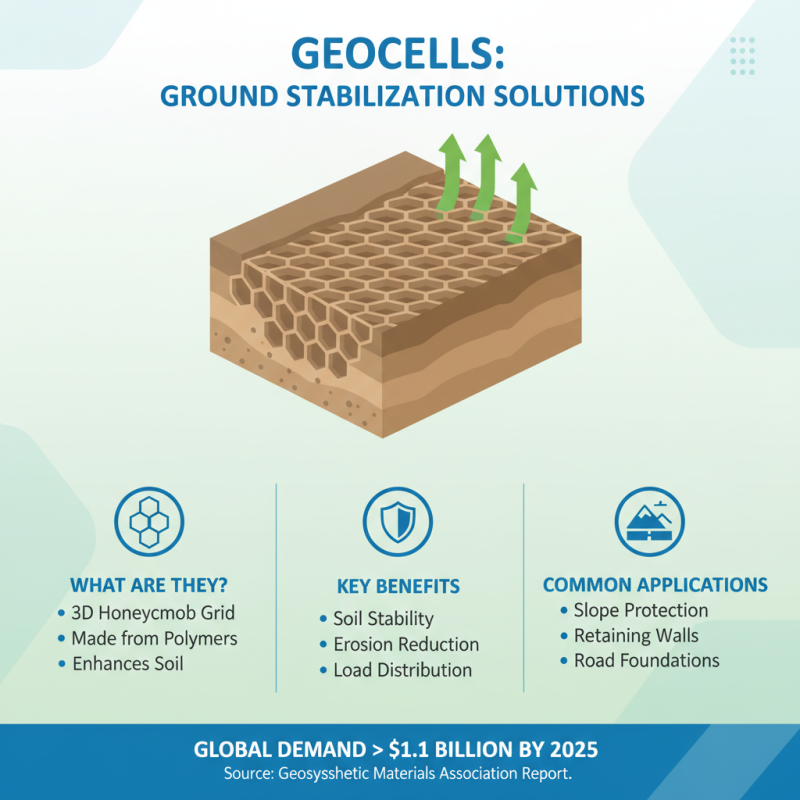
Geocells have become increasingly popular for ground stabilization due to their unique structural design. They are three-dimensional honeycomb-like grids made from polymer materials. These grids enhance soil stability, reduce erosion, and improve load distribution. According to a report by the Geosynthetic Materials Association, the global demand for geocells is projected to reach over $1.1 billion by 2025. This growth shows the effectiveness of geocells in various applications.
In construction, geocells are often used to support roads, retaining walls, and foundations. They create a robust layer that prevents soil degradation. A study from the Federal Highway Administration indicates that geocell applications can reduce lateral soil pressure by as much as 30%. This is significant for projects in unstable terrains. In addition, geocells can easily adapt to various soil types, which enhances their versatility.
Despite their benefits, geocells still have limitations. Installation can be labor-intensive and requires careful planning. Improper installation may lead to inadequate performance. It's crucial for engineers to assess site conditions before deploying geocell systems. Understanding the local soil characteristics is vital for optimal results. Geocell technology continues to evolve, promising improvements in efficiency and effectiveness for ground stabilization.
Baselok geocell technology offers a robust solution for ground stabilization. It utilizes a lightweight, honeycomb-like structure made from high-density polyethylene. This design provides significant benefits in various engineering applications, including erosion control and load support. According to a recent industry report, the geocell market is projected to grow by over 15% annually, reflecting its increasing adoption in construction and civil engineering.
The materials used in Baselok geocell construction ensure durability and reliability. High-quality polymers resist environmental stressors like UV radiation and harsh weather. Studies indicate that geocell systems can enhance the load-bearing capacity of subgrades by up to 300%. However, the installation process requires careful planning to avoid common pitfalls, such as poor site preparation or inadequate infill materials.
Many engineers find they need more training in geocell applications. Effective usage often depends on understanding site conditions and soil types. Without this awareness, projects can face unexpected challenges. Continuous education and learning about geocell innovations are vital. Those who embrace these advancements can achieve impressive results in ground stabilization.
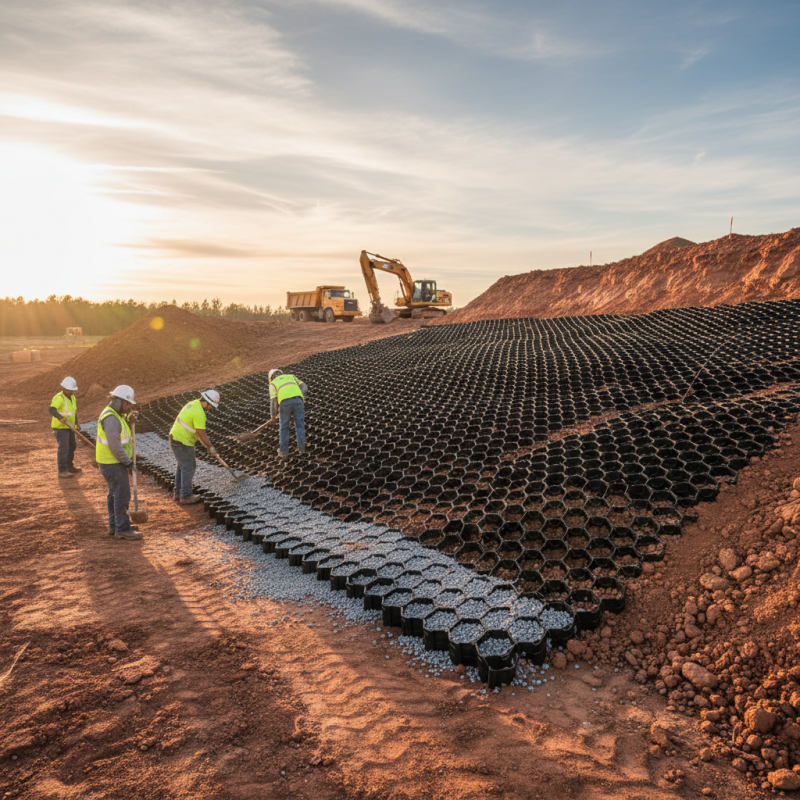
Installing Baselok geocells for ground stabilization requires attention to detail. Start by assessing the site conditions. Proper site analysis helps determine the soil type and drainage needs. Ensure you have the right tools on hand, such as shovels, compaction equipment, and geocell sections.
Once the site is prepared, unfold the geocell sections. Anchor them in place with stakes to prevent shifting during installation. Fill the cells with a stable material like gravel or soil. Make sure to compact the fill material adequately. Compaction enhances the load-bearing capacity of the structure. It’s important to check the layers constantly to prevent uneven settling.
Monitor the installation process closely. Look for inconsistencies in fill depth. Some areas may need additional material. If you notice any gaps or weak spots, adjust accordingly. Taking these steps ensures a more durable and stable surface. Document your progress to reflect on any challenges faced during installation. This reflection can improve future projects.
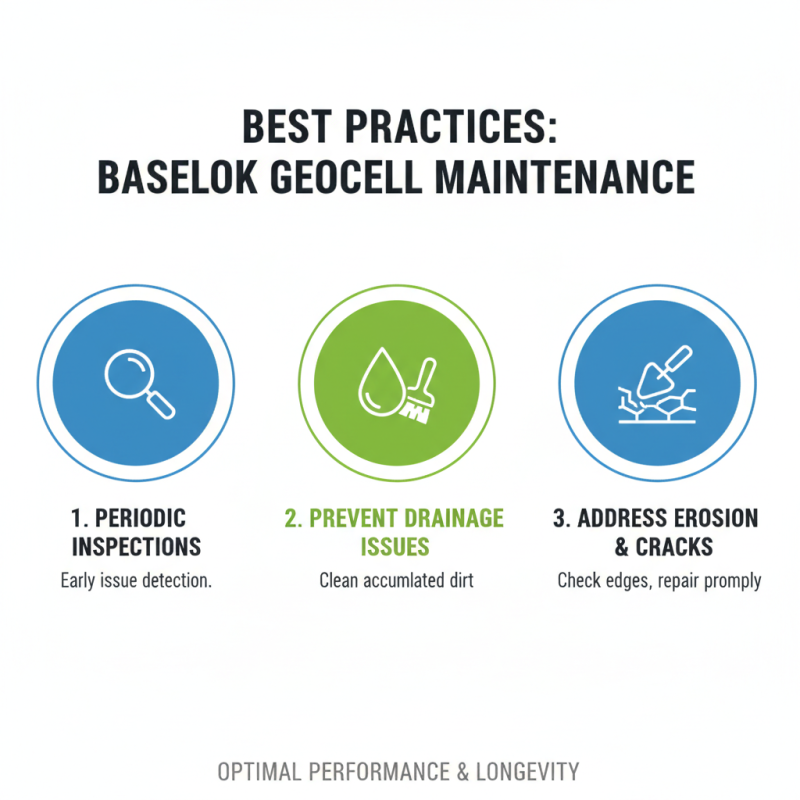
When using geocells for ground stabilization, maintenance is critical. Periodic inspections can reveal issues early. Dirt accumulation between cells can hinder water drainage. Cleaning these areas ensures optimal performance. Regularly check for erosion around the edges. If you notice cracks, address them promptly.
Proper filling material affects effectiveness. Use granular materials that encourage drainage. Compact the fill to prevent shifting. Loose fill can lead to instability over time. Retaining walls may require reinforcement. Monitor for signs of settling, especially after heavy rain.
Consider vegetation growth for long-term stability. Roots can support the structure and reduce erosion. However, excessive growth can complicate maintenance. Striking a balance is essential. Evaluate the site regularly and adjust care as needed. Each site has unique challenges that require continuous observation and adaptation.
Ground stabilization is crucial in construction. Recent studies indicate that geocells effectively enhance soil strength. In one case study, a project in Arizona used geocells to stabilize weak soils. The results showed a 45% increase in load-bearing capacity. Such improvements mean safer roads and better foundations.
Another project in California faced unstable terrain. Engineers implemented geocell systems, leading to successful water drainage. This reduced erosion by 30%. Proper drainage is essential for long-term stability. Moreover, geocells minimized the need for additional materials, reducing costs.
Tip: Always assess soil conditions before installation. Understanding the ground helps in using the right materials effectively.
Moreover, geocells are resistant to deformation under loads. This resilience ensures that stabilization lasts over time. However, it is essential to monitor after installation. Some projects report settling issues after heavy rains. Addressing these promptly is important to maintain effectiveness.
Tip: Regular inspections can prevent costly repairs down the line. Keep track of any changes in the landscape.