2026 How to Choose the Best Coir Geotextile for Your Needs?
Choosing the right Coir Geotextile can significantly influence the outcome of any landscaping or construction project. Experts in the field, such as Dr. Alice Chen, emphasize the importance of understanding specific needs and applications. She once said, “Selecting the right geotextile is crucial for project success.”
Coir Geotextiles, made from coconut husk fibers, provide excellent erosion control and soil stabilization. They offer a biodegradable solution for both environmental and structural challenges. However, not all Coir Geotextiles are the same. Variations exist in thickness, density, and durability. Understanding these factors is essential.
Quality is a critical factor. Low-quality Coir Geotextiles may degrade quickly, leading to project failure. It's essential to consider the expected lifespan and environmental conditions where they will be used. Reflecting on these details can lead to more informed choices. Choosing wisely can make a substantial difference, not only for the project but also for environmental conservation.
Understanding Coir Geotextiles and Their Applications
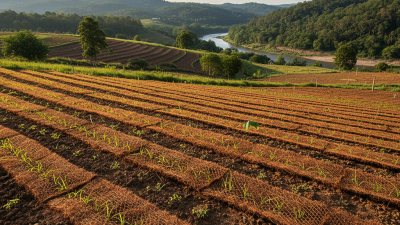
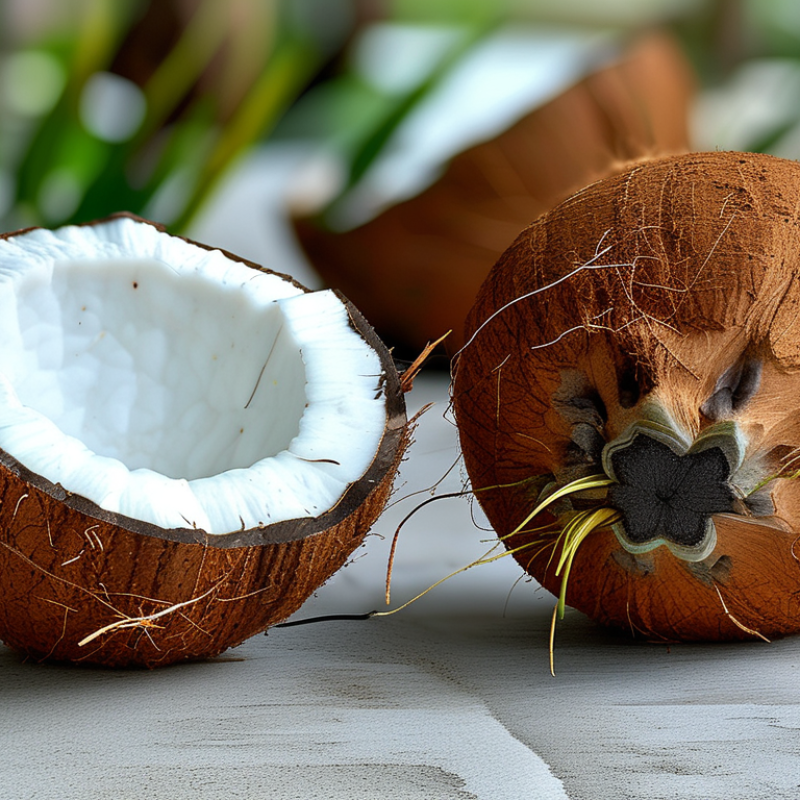
Coir geotextiles are natural fibers derived from coconut husks. They are widely used in erosion control, soil stabilization, and landscaping. These materials have unique properties that make them efficient for various applications. Their durability and biodegradability are significant advantages, as they break down over time without harming the environment.
When considering coir geotextiles, one must evaluate specific needs. Factors include soil type, climate, and intended use. For example, in wet climates, coir's water retention capability can greatly benefit vegetation. However, it might not perform as well in dry conditions. Users should also think about the thickness and density of the fabric. Thinner products may be more suitable for certain applications like silt fencing, but thicker ones provide better erosion control.
While coir geotextiles offer many benefits, there are limitations. They are not always the most affordable option available. Maintenance can be needed, particularly in areas with heavy rainfall. Reflecting on the choice of materials is crucial. Consider your budget, the longevity of the product, and environmental impact. This thoughtful approach can help ensure you select the best geotextile for your project.
Factors to Consider When Choosing Coir Geotextiles
When selecting coir geotextiles, various factors come into play. The first consideration is the material's thickness and weight. A heavier product with greater density usually offers better durability. Data shows that coir geotextiles with a weight of 800 to 1200 grams per square meter often provide optimal performance for erosion control.
Another critical aspect is the intended application. Coir geotextiles are used in various settings, from landscaping to civil engineering. The environmental conditions can significantly impact performance. For instance, installations in high-erosion areas may require thicker, more robust fabrics. In contrast, less demanding projects can benefit from lighter options. It’s vital to understand your project needs to avoid underperformance.
Sustainability is also worth noting. Coir is a natural fiber, but sourcing practices vary. Ensuring the material is environmentally friendly is essential. Research indicates that responsible sourcing impacts ecosystem health positively. However, some suppliers may not maintain these standards consistently. Hence, verifying sourcing and certifications beforehand can lead to more informed choices.
2026 How to Choose the Best Coir Geotextile for Your Needs?
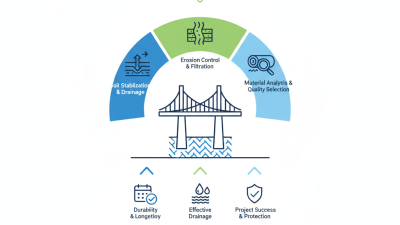
This chart illustrates various factors affecting the selection of coir geotextiles based on user needs such as permeability, tensile strength, durability, and cost.
Evaluating the Quality of Coir Geotextiles
When evaluating the quality of coir geotextiles, the fiber's structure plays a crucial role. Coir fibers, derived from coconut husks, offer strength and durability. Reports indicate that coir geotextiles can have tensile strengths ranging from 15 to 30 kN/m. Factors like fiber length, density, and processing techniques significantly impact performance. A tightly woven fabric yields better soil stabilization and erosion control.
It's important to assess sourcing and manufacturing. Coir products should originate from sustainable practices. Look for certifications that demonstrate eco-friendliness. Additionally, consider the decomposition rate of the geotextile. Research suggests an optimal lifespan of 2 to 3 years in natural conditions, ensuring effective operation during that period.
Tips for choosing coir geotextiles include checking water retention capabilities. Well-manufactured coir geotextiles can retain nearly 10 times their dry weight in water. Conducting field tests can provide insight into real-world performance. Beware of products with excessive impurities or short fibers, as they may compromise structural integrity.
Comparing Different Types of Coir Geotextiles
When selecting coir geotextiles, it's essential to understand the various types available. Coir fibers come in two main forms: woven and non-woven.
Woven geotextiles are typically stronger and more durable, providing excellent erosion control. They are ideal for stabilizing slopes and preventing soil loss.
Non-woven geotextiles, on the other hand, offer superior water drainage and filtration. This makes them suitable for applications where soil separation is critical.
Additionally, consider the thickness and density of the coir material. Thicker geotextiles can provide better support for heavy loads, while lighter options can be easier to handle and install. Some options are biodegradable, which can be beneficial for environmentally conscious projects.
Take time to evaluate the specific conditions and requirements of your project. Reflect on how various options may perform in real-world scenarios, as not every type will suit all applications. Balancing performance with environmental impact is key.
Best Practices for Installing Coir Geotextiles
When installing coir geotextiles, preparation is key. Start by assessing the site conditions. Understanding soil characteristics is crucial. It helps to determine the appropriate thickness and density of the geotextile. Ensure the site is clear of debris and vegetation. This promotes proper installation and enhances performance.
During installation, lay the coir matting evenly on the prepared surface. Overlap the edges to ensure good coverage. Anchoring the fabric is vital, especially on slopes. Use biodegradable staples or wooden pegs to secure it in place. This step may seem minor, but improper anchoring can lead to displacement during heavy rainfall.
After installation, monitor the area closely. Look for signs of erosion or fabric degradation. While coir is durable, it may still require periodic maintenance. Checking for loose edges is essential for long-term effectiveness. Reflecting on these steps can reveal areas for improvement. Installation is not always perfect, and adjustments may be necessary as conditions change.
2026 How to Choose the Best Coir Geotextile for Your Needs? - Best Practices for Installing Coir Geotextiles
| Dimension |
Value |
| Thickness |
4mm - 12mm |
| Weight |
1200g/m² - 1500g/m² |
| Permeability |
100 - 200 L/m²/hour |
| Durability |
3 - 5 years |
| Biodegradability |
100% biodegradable |
| Applications |
Erosion control, landscaping, soil stabilization |