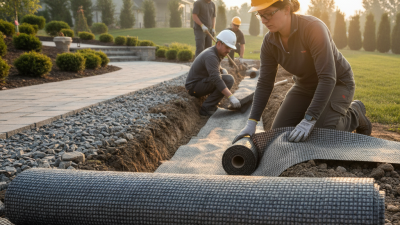
Geotextile Use in Construction Why It Matters for Global Buyers
Geotextile use in construction is crucial for global buyers seeking sustainable solutions. According to Dr. Emily Carter, a leading expert in geotechnical engineering, "Geotextiles are vital for enhancing soil stability and reducing erosion." This statement reflects the significant role geotextiles play in various construction projects.
The adoption of geotextiles can significantly improve project durability and efficiency. They offer solutions in drainage, filtration, and separation. However, not all geotextiles are created equal. Buyers must understand the specifications required for their projects. This ensures proper application and maximizes benefits. Choosing the right material can be challenging.
As the construction industry evolves, so does the landscape of geotextile use. New techniques emerge, but some applications may still lack awareness. Buyers must remain informed and adaptable. Understanding geotextile use not only aids in project success but also promotes environmental sustainability.
Significance of Geotextiles in Modern Construction Practices
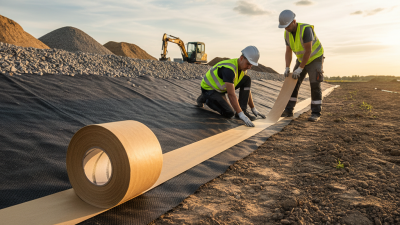
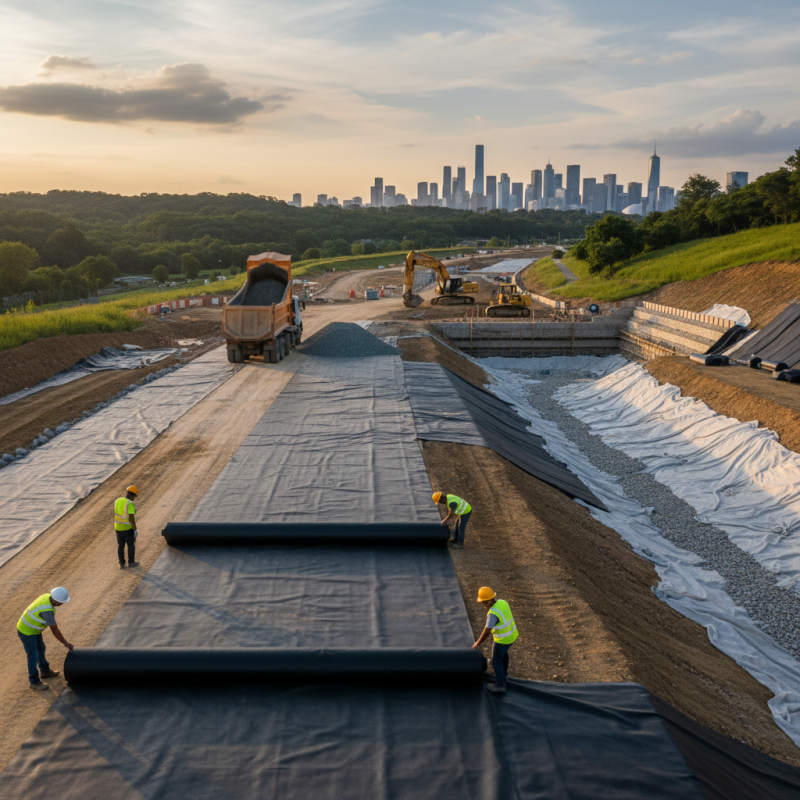
Geotextiles play a crucial role in modern construction practices. They are versatile materials used to improve soil stability and drainage. The application of geotextiles can be seen in road construction, erosion control, and environmental protection projects. Effective use of geotextiles can reduce soil erosion and enhance structural integrity.
Implementing geotextiles can bring many benefits. They help prevent soil displacement, which is vital in maintaining the longevity of infrastructure. Furthermore, they aid in water flow management, reducing the risk of flooding. Despite these advantages, some challenges remain. Proper installation is essential; incorrect application can lead to failures.
Global buyers need to recognize the significance of geotextiles. Selecting the right type for a specific project is key. Knowledge of local soil conditions and climate impacts the effectiveness of geotextiles. Buyers must also balance cost and quality. A lack of understanding can result in subpar performance over time, prompting a rethink of initial choices.
Types of Geotextiles and Their Applications in Construction
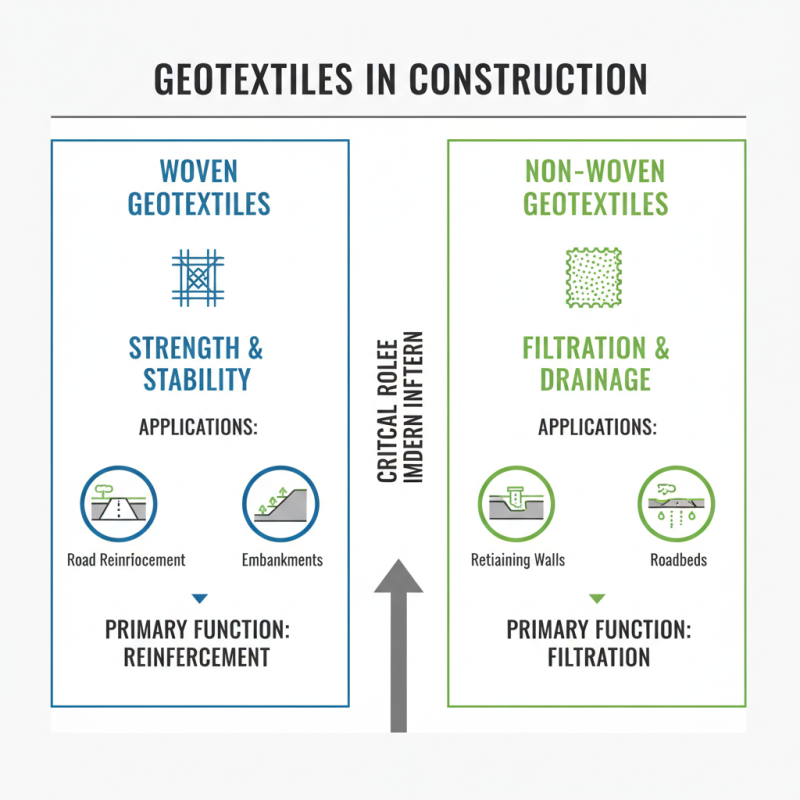
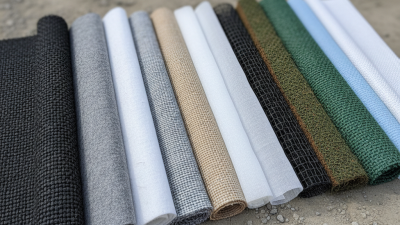
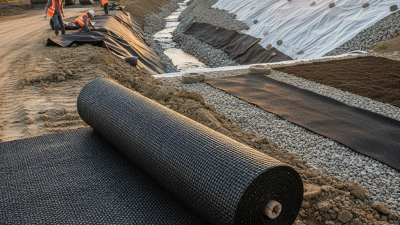
Geotextiles play a critical role in modern construction. They come in various types, each serving specific functions. The two main categories are woven and non-woven geotextiles. Woven types provide strength and stability, making them suitable for reinforcement in roads and embankments. Non-woven geotextiles are used mainly for filtration and drainage, suitable for applications in retaining walls and roadbeds.
According to a report by MarketsandMarkets, the global geotextiles market size is expected to reach USD 10.7 billion by 2026, growing at a CAGR of 11.3%. Such growth highlights the increasing reliance on these materials in construction projects worldwide. Their use addresses issues like soil erosion and environmental stability. However, challenges like material degradation over time remain. Not all geotextiles perform equally in harsh conditions.
Understanding the various applications of geotextiles can improve project outcomes. For example, they are essential in landfills where they prevent leachate movement. Despite their advantages, buyers must consider factors like local climate and soil type. Selecting the right geotextile can significantly influence durability and project success. It’s a constant learning curve for global buyers in choosing materials that align with their project goals.
Benefits of Using Geotextiles for Global Buyers
Geotextiles play a crucial role in modern construction. They offer several benefits for global buyers. According to industry reports, the demand for geotextiles is projected to exceed $14 billion by 2026. This growth reflects their importance in various construction applications.
One primary benefit of geotextiles is their ability to improve soil stability. By reinforcing the ground, they reduce erosion and facilitate drainage. In projects prone to waterlogging, geotextiles enhance the longevity of structures. They prevent soil movement, which is especially vital in locations with heavy rainfall. Statistics show that geotextiles can cut maintenance costs by up to 50% in certain projects.
Additionally, geotextiles contribute to sustainable practices. They help reduce waste by minimizing the need for traditional fill materials. This not only lowers transportation costs but also reduces carbon footprints. A report from the Global Geosynthetics Market predicts that eco-friendly geotextiles will see a 30% increase in demand over the next five years. Yet, some buyers remain unaware of these eco-innovations. It's essential to address misconceptions. Understanding the long-term benefits can lead to smarter decisions in material selection.
Sustainability and Environmental Impact of Geotextiles
Geotextiles play a significant role in construction, particularly regarding sustainability. These materials enhance soil stability, prevent erosion, and optimize drainage. They are used in various applications, from road construction to landfills. However, the environmental impact of geotextiles raises questions.
Many geotextiles are made from synthetic materials. These can take centuries to decompose. This longevity in the environment can lead to concerns about microplastic pollution. While geotextiles provide immediate benefits in construction, their long-term effects require careful consideration. The balance between functionality and environmental stewardship is delicate.
Natural fiber geotextiles offer a more sustainable option. They are biodegradable and reduce plastic waste. Yet, sourcing these materials can pose challenges. Overharvesting natural resources can harm ecosystems. It’s essential to weigh the benefits against potential environmental consequences. As construction evolves, so must our approach to materials like geotextiles.
Key Considerations for Selecting Geotextiles in Projects
When selecting geotextiles for construction projects, several key factors come into play. Knowing the specific project requirements is essential. Different projects may require unique properties such as filtration, separation, or reinforcement. Understanding soil types, drainage needs, and load-bearing characteristics can significantly influence the choice of geotextile.
It’s important to assess the material composition of geotextiles. Common options include polypropylene and polyester. Each material has its benefits and downsides. For instance, while polypropylene offers strong resistance to chemical degradation, it may not always be the best choice for high-stress environments. Testing different options can be vital to ensure optimal performance.
Consider also the environmental impact of geotextiles. Some materials are recyclable, while others may not decompose easily. Choosing a more sustainable option can enhance project longevity and ecological integrity. However, striking a balance between durability and sustainability can be challenging. Each decision is an opportunity for reflection and improvement.
Geotextile Use in Construction - Key Considerations for Selecting Geotextiles in Projects
| Parameter |
Description |
Importance |
Common Types |
| Material |
Synthetic vs. Natural |
Affects durability and environmental impact |
PP, PET, Jute, Coir |
| Function |
Separation, filtration, drainage |
Determines suitability for project |
Geotextile fabric, non-woven, woven |
| Permissible Load |
Weight-bearing capacity |
Critical for structural integrity |
Heavy-duty textiles for road building |
| Environmental Resistance |
UV and chemical resistance |
Longevity in adverse conditions |
UV-stabilized fabrics |
| Cost |
Initial purchase price vs. lifecycle costs |
Budget planning for long-term projects |
Comparative analysis needed |