How to Choose the Best Geogrid Fabric for Your Project?
Choosing the right Geogrid Fabric is crucial for the success of civil engineering projects. Expert Dr. Helen Porter, a geotechnical engineer with over 20 years of experience, emphasizes, "The right geogrid can transform soil stabilization and structure support." This statement highlights the importance of selecting the appropriate geogrid for your specific needs.
Geogrid Fabric comes in various types, each designed for unique applications. For instance, uniaxial geogrids are ideal for reinforcing roadways, while biaxial variants work better for retaining walls. Understanding these differences can guide project managers in making informed decisions. It is not just about choosing a fabric; it involves assessing performance, cost, and project requirements.
Common mistakes in selection often arise from a lack of understanding of the material's properties. Evaluating soil conditions and load requirements is essential. Not all geogrids are equal; some may perform poorly under certain conditions. Thus, consulting with experts and conducting thorough research can prevent costly oversights. A knowledgeable choice in Geogrid Fabric can lead to a successful project outcome.
Understanding Geogrid Fabrics and Their Applications
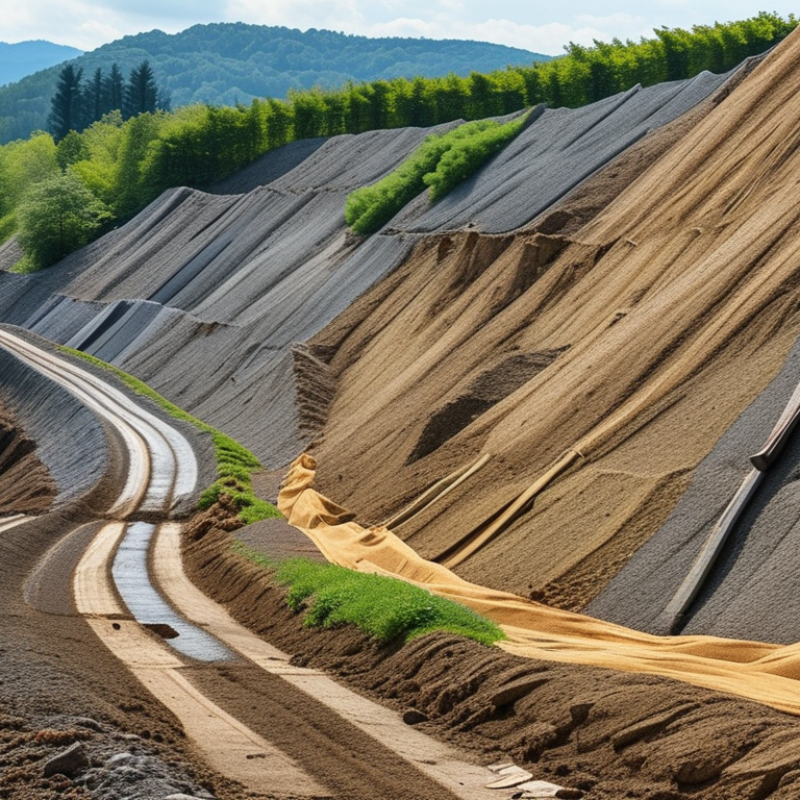
Geogrid fabrics are essential in various engineering projects, especially in soil stabilization and reinforcement. Used effectively, these materials improve load distribution and decrease settlement. Studies show that using geogrids can enhance the bearing capacity of soil by up to 70%. This significant improvement makes them invaluable in road construction and retaining walls.
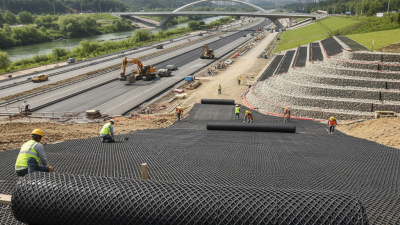
Understanding the types of geogrid fabrics is crucial. They can be classified into uniaxial, biaxial, and triaxial forms, each suitable for different applications. Uniaxial geogrids excel in slope stability. Biaxial geogrids are often employed in base reinforcement for pavements. Triaxial versions are beneficial for retaining wall systems. Each type has unique strengths, necessitating careful consideration in project planning.
Despite their benefits, challenges remain. Improper installation can lead to project failures. Research indicates that nearly 15% of issues arise due to poor quality control during implementation. This highlights the need for rigorous adherence to standards and specifications. Understanding geogrid properties and applications ensures better project outcomes while mitigating risks.
How to Choose the Best Geogrid Fabric for Your Project?
| Geogrid Type |
Material |
Primary Application |
Load Capacity (kN/m) |
Features |
| Uniaxial Geogrid |
Polypropylene |
Soil Reinforcement |
30-50 |
High tensile strength, cost-effective |
| Biaxial Geogrid |
Polyester |
Pavement Reinforcement |
20-40 |
Excellent load distribution, durable |
| Geocomposite |
Polyethylene |
Drainage Systems |
15-30 |
Combines drainage and reinforcement |
| Tensar Geogrid |
High-Density Polyethylene |
Base Stabilization |
40-60 |
Improved structural performance |
Key Factors to Consider When Selecting Geogrid Fabrics
When selecting geogrid fabrics, understanding your project’s needs is crucial.
Durability is key. Geogrids made from polypropylene or polyester often offer superior strength and longevity.
According to industry reports, high-density polyethylene geogrids can extend the lifespan of pavement by 50%. This is vital when considering long-term project viability.
Consider the load requirements as well. Various projects demand different levels of tensile strength. A heavy-duty geogrid may be necessary for road construction, while a lighter option might suffice for landscaping.
The right choice here impacts overall performance. Studies suggest that inadequate tensile strength can lead to structural failure.
Soil characteristics also play a role in selection. Specific soil types can dictate which geogrid performs best.
For example, clay soils may require different materials compared to sandy terrains.
A well-informed choice can minimize maintenance costs over time. Missteps in selection often lead to costly repairs.
Ensuring proper compatibility with soil is essential for project success.
Types of Geogrid Fabrics and Their Unique Properties
When selecting geogrid fabrics for your project, understanding the types and their properties is crucial. Geogrids can be classified into several categories. Each type serves different functions based on materials and construction needs.
For instance, uniaxial geogrids are excellent for reinforcing soil, providing tensile strength, and improving load distribution. They are often used in road construction where soil stability is vital. Biaxial geogrids, on the other hand, are versatile and can resist loads from multiple directions. This feature makes them suitable for various applications, including reinforced steep slopes.
The choice between these is not straightforward. You may find that one type offers more benefit in specific contexts. Manufacturers often provide specification sheets, but real-world performance can differ. Test various options to see which meets your needs best. Careful analysis of project demands will guide you to make an informed decision.
Evaluating Project Requirements for Optimal Geogrid Performance
When selecting the right geogrid fabric, understanding your project requirements is essential. The type of soil, load conditions, and environmental factors all play a pivotal role. For instance, cohesive soils may need a different type of reinforcement compared to granular soils. Evaluating these aspects allows for better tailoring of geogrid properties, ensuring they can withstand stresses throughout the project’s life cycle.
Look closely at your load conditions. High traffic areas need stronger geogrid options. Conversely, lighter loads might find adequate support in standard fabrics. Also consider the installation environment. Will it be wet, dry, or fluctuating? Each scenario influences the geogrid's effectiveness. While many products seem suitable, not every fabric performs well under specific conditions.
Additionally, it’s vital to consider the long-term performance of the chosen geogrid. What may seem like a quick fix could lead to future failures. Regular assessments of performance and adjustments can help mitigate risks. The goal is to achieve stability without frequent modifications. This process takes expertise and awareness of the project's nuances. It’s a constant learning curve that invites practitioners to reflect on their choices and strive for improvement.
Best Practices for Installation and Maintenance of Geogrid Fabrics
Proper installation and maintenance of geogrid fabrics are crucial for project success.
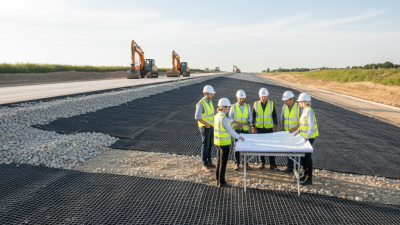
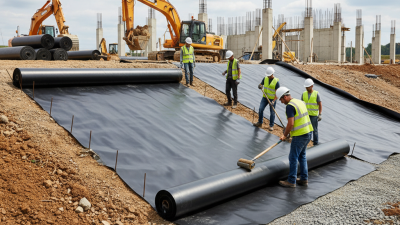
Start by preparing the subgrade surface. Ensure it is smooth and compact. This will enhance the stability of the geogrid. When laying the geogrid, overlap the edges as specified. Misalignment can lead to structural failures.
Regular inspections are essential post-installation. Look for signs of wear, such as tears or degradation. If you spot any issues, address them immediately.
During maintenance, keep an eye on vegetation growth. Uncontrolled plants can undermine the geogrid’s effectiveness. Incorporate drainage systems if water accumulation is a concern. Excess moisture can weaken the geogrid and surrounding soil. Always refer to installation guidelines but be flexible. Every project has unique challenges.
Document your observations and adjustments for future reference. This helps in refining techniques. Remember, the best practices evolve over time with experience and observations.