What are the Benefits of Geogrid Fabric for 2026 Projects?
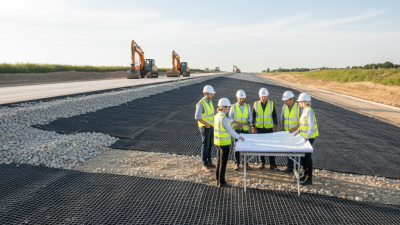
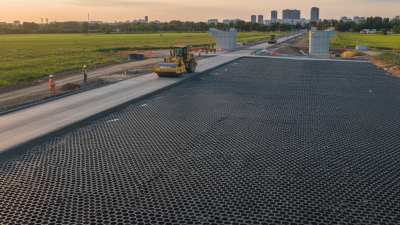
In the evolving landscape of construction and civil engineering, Geogrid Fabric is emerging as a critical component for successful projects in 2026. This innovative material enhances soil stability and load distribution, making it a preferred choice for various applications. Many experts highlight its ability to improve the lifespan of roads, retaining walls, and other structures. With increased environmental concerns, Geogrid Fabric also supports sustainable development practices.
As industry professionals look towards future projects, it’s clear that reliable materials are essential. Geogrid Fabric not only provides strength but also reduces long-term maintenance costs. Nevertheless, careful consideration is required when choosing the right type. The variety in specifications can affect performance. Evaluating the site conditions and project requirements is critical. It’s vital to weigh the advantages against potential challenges.
In conclusion, Geogrid Fabric holds numerous benefits for 2026 projects. Its role in improving infrastructure is undeniable. However, professionals must navigate its complexity in selecting suitable options. Achieving the best outcomes requires both knowledge and reflection on past experiences. Understanding these nuances will pave the way for successful implementations.
Benefits of Geogrid Fabric in Civil Engineering Projects
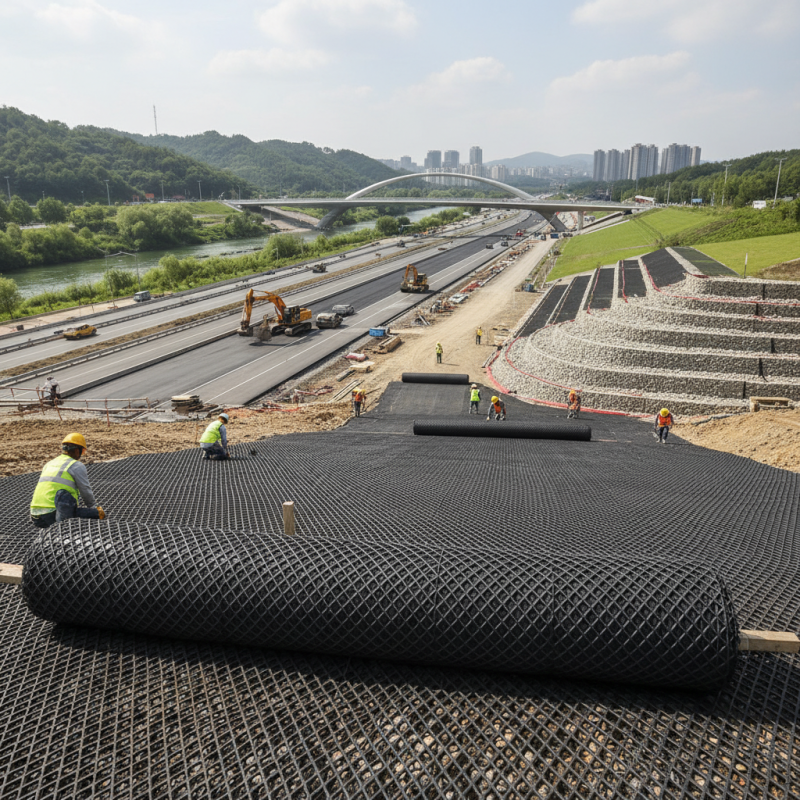
Geogrid fabric has become essential in civil engineering projects. It enhances the structural integrity of soil. By distributing loads, it improves stability in various applications. A study from the Geosynthetic Institute shows that geogrid use can increase load-bearing capacity by up to 50%. This makes it invaluable for road construction and landscaping.
Moreover, geogrids minimize erosion. They stabilize slopes and control water runoff. This helps in maintaining project longevity. The improved drainage also decreases the risks of soil failure. Reports indicate that by investing in geogrids, projects can reduce maintenance costs by around 30%. Engineers need to assess soil conditions before deciding on geogrid applications. This requires thorough analysis and expertise.
However, some challenges exist. Choosing the right type can be complex. Not all geogrids are suitable for every project. Regional soil types and climate conditions should inform selections. Regular field testing is crucial for effective implementation. Each project provides learning opportunities, emphasizing best practices in geogrid use.
Enhanced Soil Stability Through Geogrid Fabric Applications
Geogrid fabric plays a crucial role in enhancing soil stability for large-scale construction projects. By providing reinforcement, geogrids improve load distribution and reduce settlement. According to a 2021 report by the Geosynthetic Materials Association, using geogrid technology can lead to a 50% increase in load-bearing capacity. This statistic reflects the growing recognition of geogrid applications in various civil engineering fields.
The efficient design of geogrids allows for better interlocking with soil particles. This interaction results in the formation of a composite material that is both strong and flexible. Studies have shown that projects utilizing geogrid fabric can see a decrease in material costs by up to 30%. This is significant for sustainability in construction, as it minimizes the need for additional fill material and landfill usage.
However, despite these advantages, it is critical to evaluate the specific project requirements. Not every soil condition will benefit equally from geogrid applications. Some regions may experience varying levels of effectiveness. Engineers must assess the local soil composition and environmental factors. This careful consideration ensures that geogrid technology is applied reliably and effectively.
What are the Benefits of Geogrid Fabric for 2026 Projects? - Enhanced Soil Stability Through Geogrid Fabric Applications
| Benefit |
Description |
Impact on Soil Stability |
Applications |
| Increased Load Distribution |
Geogrid fabric helps to distribute loads more evenly across the soil surface, reducing stress on subgrade materials. |
Enhances soil bearing capacity and reduces deformation. |
Roads, pavements, and foundations. |
| Reduced Settlement |
Minimizes the settlement of buildings and structures by providing a stable platform. |
Increases long-term stability. |
Large infrastructure projects, commercial sites. |
| Enhanced Drainage |
Facilitates better water flow and reduces water retention in soil layers. |
Prevents erosion and soil instability due to saturation. |
Highway embankments, landscaping. |
| Cost Efficiency |
Reduces the need for excessive ground improvement techniques or additional fill materials. |
Lowers overall project costs while maintaining stability. |
Civil engineering projects, temporary construction sites. |
Cost-Effectiveness of Using Geogrid Fabric in Construction Projects
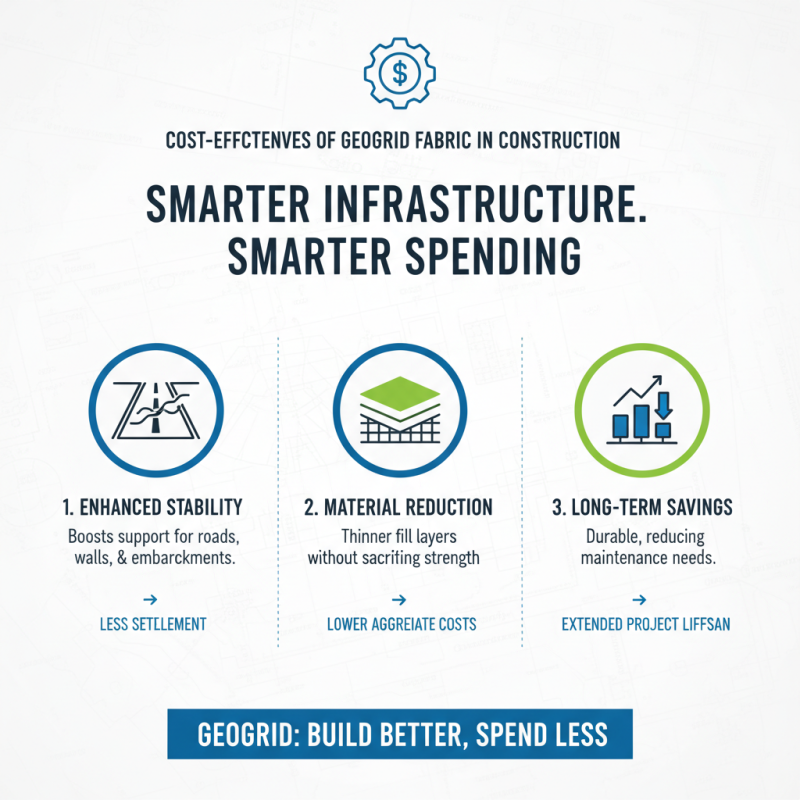
Geogrid fabric is gaining recognition for its cost-effectiveness in construction projects. This material provides enhanced stability and support for various structures. It is particularly useful in road construction, retaining walls, and embankments. Using geogrid can reduce material costs significantly. It allows for thinner layers of fill without compromising strength.
In addition to direct cost savings, geogrid minimizes labor expenses. With easier installation, workers spend less time on-site. This is crucial for meeting tight project deadlines. Projects that utilize geogrid often show faster completion rates. However, some may overlook the initial investment in geogrid. They might favor traditional methods due to perceived higher upfront costs.
There is a learning curve involved with geogrid technology. Some contractors might need additional training. This can add to the initial expense, yet the long-term benefits usually outweigh this concern. The reliability of geogrid fabric in weight distribution is often underestimated. It can lead to fewer maintenance issues in the long run. Being open to innovating with geogrid could transform project outcomes significantly.
Improved Drainage and Water Management with Geogrid Fabric
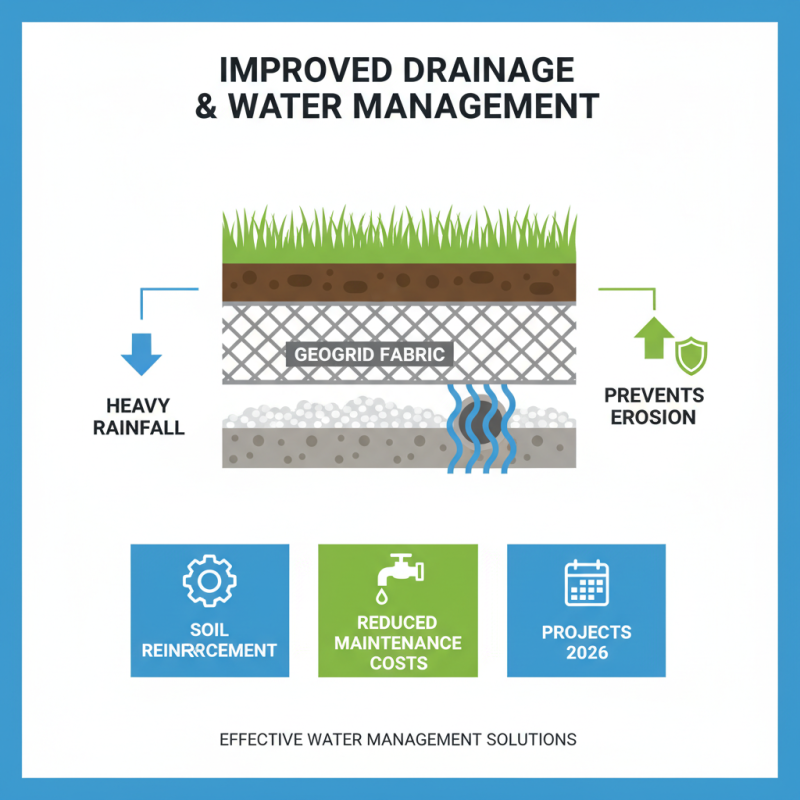
Geogrid fabric serves as a transformative material in construction projects, especially when it comes to drainage and water management. Its unique structure allows for excellent soil reinforcement. As a result, it helps prevent erosion, which is crucial in areas susceptible to heavy rainfall. Projects in 2026 can benefit significantly from improved drainage systems, as managing water effectively reduces long-term maintenance costs.
The geogrid's interconnected design promotes better water flow. This feature enhances the efficiency of any drainage system installed. While traditional methods may rely on simpler solutions, geogrid fabric stands out by allowing water to permeate through its layers efficiently. This can reduce standing water in construction sites, minimizing potential damage to materials and structures.
However, it’s essential to recognize challenges in using geogrids. Proper installation is key. A poorly installed geogrid will not perform as expected. Engineers must ensure that the fabric is laid correctly and anchored well. Sometimes, it can be overlooked in favor of faster solutions. While geogrids present a reliable option, they require careful planning and execution to realize their full benefits in water management.
Sustainability and Environmental Advantages of Geogrid Fabric Usage
Geogrid fabric is a game-changing solution for construction projects, especially focusing on sustainability. This material significantly enhances soil stability. It reduces the need for heavy machinery and costly materials. Using geogrid fabric leads to lighter structures, which means less environmental impact during both construction and throughout the project lifecycle.
Another compelling benefit of geogrid fabric is its contribution to effective water drainage. A well-drained project site reduces erosion and minimizes the potential for flooding. The use of geogrids can lead to healthier ecosystems by allowing plants and wildlife to thrive. However, it’s essential to ensure proper installation. Poor application can compromise the advantages of geogrid fabric.
Geogrids are also recyclable, presenting opportunities for a circular economy. This feature encourages a shift away from traditional, non-biodegradable materials. Despite these benefits, projects should consider geographic differences. Not every location will see the same level of effectiveness. Evaluating local conditions is crucial for optimizing these sustainable practices.
Benefits of Geogrid Fabric for 2026 Projects