What are the Benefits of Using Plastic Geogrid in Construction?
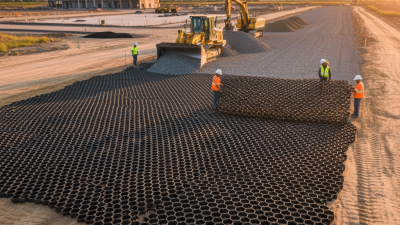
Plastic Geogrid has become a vital component in modern construction practices. This innovative material offers various benefits, making it increasingly popular among engineers and construction professionals. According to a report by Research and Markets, the global geosynthetics market is expected to reach $10.37 billion by 2025, driven largely by products like plastic geogrids.
The primary advantage of using Plastic Geogrid lies in its ability to enhance soil stability. It reduces the deformation of soil, improving load-bearing capacity. Studies have demonstrated that implementing Plastic Geogrids can improve road performance and reduce maintenance costs by up to 30%. This fact underscores their significant role in sustainable construction.
However, not all projects will benefit equally from Plastic Geogrid use. Its effectiveness can depend on soil type and environmental conditions. Construction teams need to assess these factors carefully. By using Plastic Geogrid responsibly, they can improve efficiency and durability, but there is always a risk of over-reliance on any one material. Balancing innovations with traditional practices remains essential for successful construction outcomes.
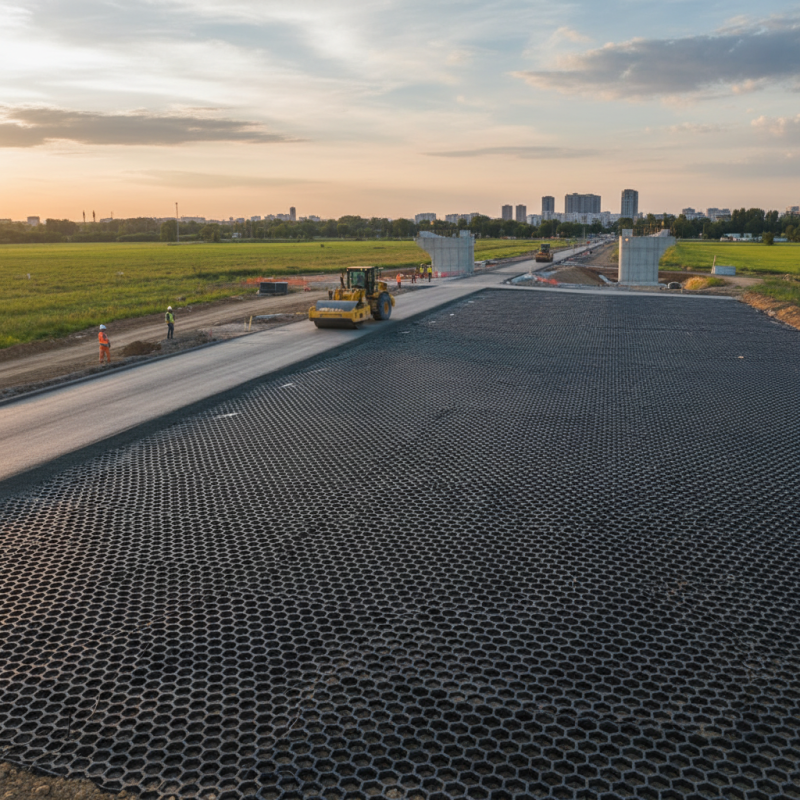
Benefits of Enhanced Load Distribution with Plastic Geogrids in Construction
Plastic geogrids have transformed construction by significantly enhancing load distribution. By using these materials, engineers can optimize the structural integrity of various projects. Plastic geogrids effectively distribute loads across a larger area. This reduces pressure on soil and aggregates. Consequently, the risk of settlement and deformation in structures is minimized.
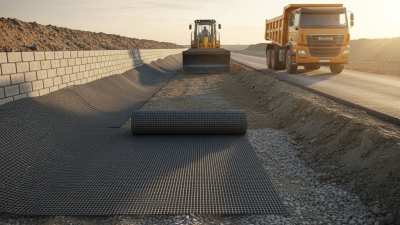
In road construction, for example, plastic geogrids can stabilize the base layers. This leads to less cracking and longer-lasting pavements. The flexible nature of plastic geogrids allows them to adapt to soil movement. As a result, they provide support without compromising the overall structure. Users have reported improved performance in areas with poor soil conditions.
However, the implementation of plastic geogrids is not without challenges. Proper installation is crucial; poorly placed geogrids may not deliver their full benefits. Additionally, while offers many advantages, their long-term effectiveness can vary. Engineers must consider local soil types and environmental factors. Understanding these variables is essential to maximize the benefits of plastic geogrids in any construction project.
Reduction of Soil Erosion and Pollution Risks Using Plastic Geogrid Systems
Plastic geogrids are increasingly used in construction to combat soil erosion. These geogrids enhance soil stability and prevent erosion by reinforcing the soil structure. They distribute loads evenly, which reduces the likelihood of ground movement. This is particularly beneficial in areas prone to heavy rainfall or fluctuating temperatures.
Using plastic geogrids also minimizes pollution risks. Without effective stabilization, soil erosion can lead to sediment runoff into nearby water bodies. This runoff often carries pollutants and contributes to water quality degradation. By using geogrids, construction projects can help keep pollutants in place and maintain a cleaner environment.
However, the reliance on plastic geogrids is not without its challenges. Not all soil types react the same way to these systems. Some natural environments may require additional stabilization methods. It's essential to assess local soil conditions before implementation. This ensures that the benefits of using geogrids are fully realized while minimizing any potential drawbacks.
Cost-Effectiveness: Long-Term Savings with Plastic Geogrid Implementation
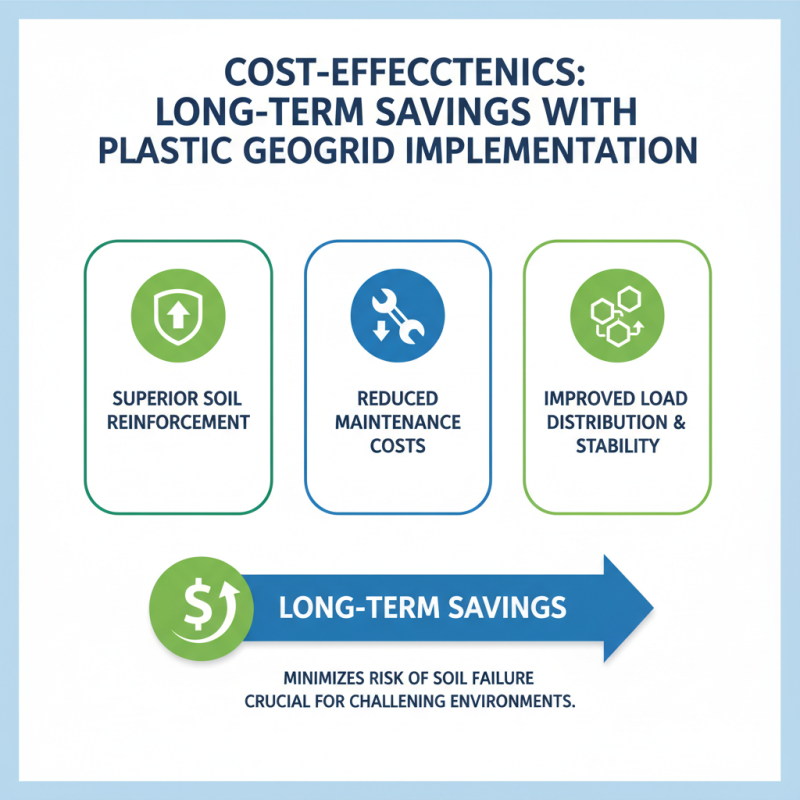
Plastic geogrids are increasingly recognized for their cost-effectiveness in construction projects. Their primary advantage lies in long-term savings. By providing superior soil reinforcement, they enhance the stability of structures. This can lead to reduced maintenance costs over time. With improved load distribution, plastic geogrids minimize the risk of soil failure. This is crucial for projects in challenging environments.
Implementing plastic geogrids can initially seem investment-heavy. However, the durability they offer often outweighs this concern. Inadequate evaluation of site conditions can lead to mistakes. Sometimes, engineers overlook how soil behavior changes over time. Utilizing geogrids effectively can mitigate these risks. It backs up the initial costs with structural integrity and longevity. Project managers are advised to carefully assess their requirements and the environmental factors involved.
Overall, while the upfront capital may be significant, the long-term benefits are tangible. Choosing plastic geogrids reflects an intelligent response to both budgets and project demands. Awareness of potential pitfalls is essential. Engaging with experienced professionals can provide insights that optimize the use of geogrids. This creates a future-ready foundation in construction.
Improvement of Soil Stabilization and Structural Integrity through Geogrids
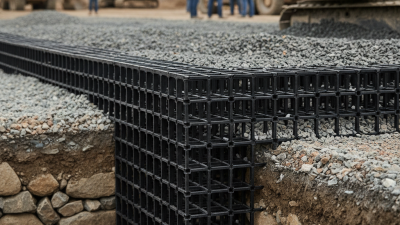
Plastic geogrids play a crucial role in construction by enhancing soil stabilization and structural integrity. When integrated into roadways or foundations, they distribute loads effectively. This reduces soil movement and supports heavier structures. Reports indicate that projects utilizing geogrids show a 30% increase in load capacity. This is a significant improvement, particularly in areas with weak or unstable ground.
Geogrids provide strength without adding bulk. This lightweight feature results in lower transportation costs. Additionally, by minimizing the need for excavation, they reduce the environmental impact of construction projects. Some studies suggest that using geogrids can lead to a 20% decrease in material costs. This makes them a valuable asset for contractors looking for efficiency.
Tips: Consider the installation method. Proper placement maximizes the benefits of geogrids. Be open to adjusting your design based on specific site conditions. Regularly assess the performance of installed geogrids. Though effective, unexpected soil behavior can challenge even the best plans. Pay attention to these details for a successful project.
Benefits of Using Plastic Geogrid in Construction
| Benefit |
Description |
Impact on Construction |
| Soil Stabilization |
Enhances the load-bearing capacity of soil. |
Reduces settlement and deformation in structures. |
| Cost Efficiency |
Decreases the need for expensive deep foundation systems. |
Lowers overall project costs and time. |
| Durability |
Resistant to moisture and chemical degradation. |
Ensures long-lasting performance of structure. |
| Ease of Installation |
Lightweight and flexible for quick deployment. |
Accelerates construction timelines. |
| Environmental Benefits |
Can use recycled materials in production. |
Promotes sustainable construction practices. |
Environmental Sustainability: The Role of Plastic Geogrids in Green Construction
Plastic geogrids play a significant role in promoting environmental sustainability in construction. Studies show these materials can reduce soil erosion and enhance stability. According to a report by the International Geosynthetics Society, using geogrids can decrease the need for traditional fill materials by up to 50%. This not only conserves resources but also minimizes carbon emissions from transport.
Another advantage is their longevity. Plastic geogrids are resistant to chemicals and physical degradation. This durability means structures require less maintenance over time. A lifecycle analysis indicates that using geogrids can lower the overall carbon footprint of a construction project by 30%. However, the production of these materials must still be considered. The energy consumption in manufacturing plastic geogrids raises questions about the environmental trade-offs in their use.
Incorporating plastic geogrids into construction may lead to increased sustainability, yet the full environmental impact warrants careful evaluation. While they reduce material usage, the initial eco-cost should not be overlooked. Construction professionals must balance immediate benefits with long-term environmental implications. Addressing these complexities helps ensure that green construction caters to the needs of both projects and the planet.
Benefits of Using Plastic Geogrid in Construction
This bar chart illustrates the key benefits of using plastic geogrid in construction, rated on a scale of 1 to 10. The highest ratings are given to soil stabilization and cost efficiency, highlighting their significance in promoting sustainable and effective construction practices.