Top 10 Benefits of Using Plastic Geocell in China for Sustainable Development?
In recent years, the use of Plastic Geocell in China has emerged as a pivotal solution for sustainable development. This innovative material enhances soil stability and significantly reduces erosion, making it essential in construction and ecological rehabilitation projects. A report by the China Geotechnical Engineering Society highlights that the global geocell market is projected to grow significantly, with a value exceeding $300 million by 2025. This statistic underscores the relevance and potential of Plastic Geocell in resource management.
Experts emphasize the importance of this technology. Dr. Li Wei, a prominent figure in geotechnical engineering, states, “Plastic Geocell not only improves structural integrity but also supports sustainable practices in environmental management.” This dual benefit positions Plastic Geocell as a cornerstone for projects that require environmental mindfulness and durability.
Despite its advantages, there are challenges to consider. For instance, the effectiveness of Plastic Geocell can vary based on soil types and local conditions. Successful implementation requires careful analysis and adaptation. The ongoing development in this field demands continued research and innovative thinking, ensuring that the applications of Plastic Geocell yield the best outcomes for sustainable development in China.
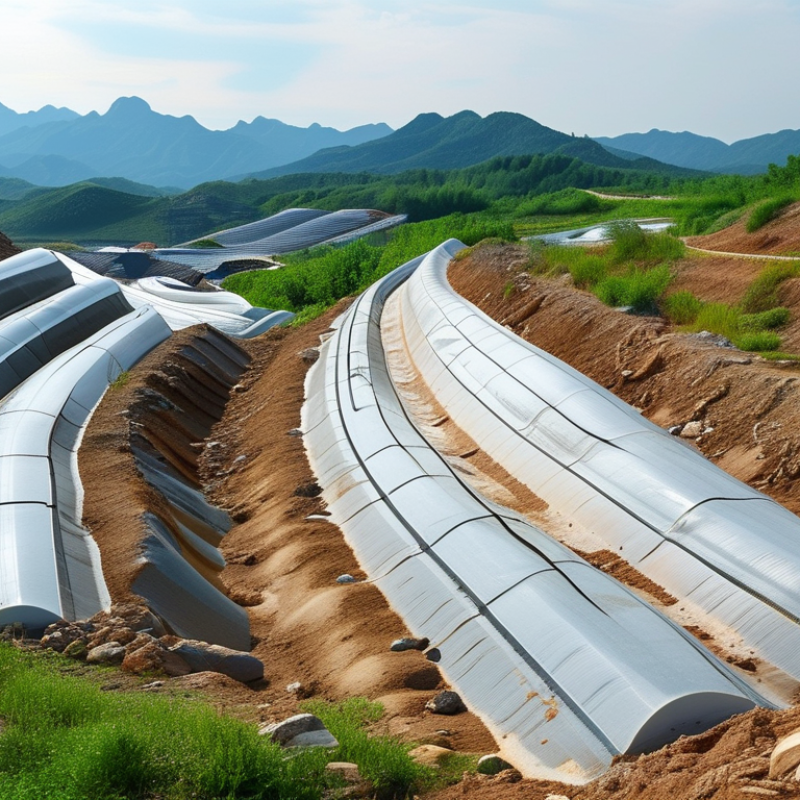
Benefits of Plastic Geocell in Soil Stabilization for Sustainable Development
Plastic geocell systems are becoming essential in soil stabilization efforts, particularly in China, where rapid development creates unique challenges. According to a report by the International Journal of Geosynthetics, these systems can reduce soil erosion by up to 70%. By maintaining soil structure, geocells enhance the load-bearing capacity, making them ideal for construction sites and road projects.
Additionally, the usage of plastic geocell can lower maintenance costs by 30% over time. Its lightweight design allows for easy installation, reducing labor intensity. In rural areas, this material helps in creating stable surfaces for agriculture, where soil degradation is a major concern. Local farmers have reported increased yields in areas using geocells due to improved water retention in the soil.
While the benefits are clear, some challenges exist with the long-term durability of products available today. The performance of geocells under extreme weather conditions still needs more research. It's critical for stakeholders to continuously evaluate the effectiveness of these materials. Proper training for field personnel is essential to prevent improper installation, which could negate potential benefits.
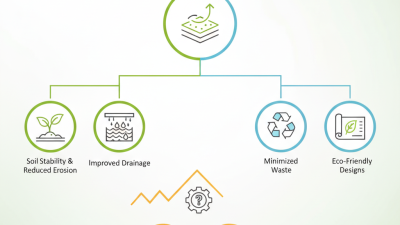
Top 10 Benefits of Using Plastic Geocell in China for Sustainable Development
| Benefit |
Description |
Impact on Sustainable Development |
| Soil Stabilization |
Enhances the load-bearing capacity of soil. |
Supports infrastructure development and reduces land degradation. |
| Erosion Control |
Prevents soil erosion in slopes and embankments. |
Protects water resources and biodiversity. |
| Cost-Effective |
Reduces costs of materials and maintenance. |
Promotes economic sustainability. |
| Environmental Protection |
Reduces the carbon footprint compared to other materials. |
Supports eco-friendly construction practices. |
| Flexibility |
Can be adapted to various soil types and conditions. |
Enhances land usability in diverse regions. |
| Quick Installation |
Simplifies on-site assembly and installation. |
Reduces project timelines and labor costs. |
| Durability |
Long-lasting material resistant to degradation. |
Supports sustainable infrastructure longevity. |
| Adaptability |
Can be used in a variety of applications. |
Broadens potential uses in construction projects. |
| Enhanced Drainage |
Improves water drainage in soil. |
Mitigates waterlogging and improves soil health. |
| Aesthetic Value |
Can be integrated with landscaping. |
Enhances the visual appeal of construction sites. |
Enhancing Erosion Control with Plastic Geocell Applications in China
Plastic geocells have emerged as a critical solution for controlling erosion in various landscapes across China. Studies indicate that up to 70% of soil erosion occurs in areas lacking proper vegetation. The use of geocells can significantly mitigate this issue by creating a stable structure that retains soil and promotes plant growth. According to a report by the Chinese Ministry of Ecology and Environment, projects utilizing geocell technology have reduced soil erosion rates by an impressive 30% in tested regions.
The application of plastic geocells enhances not only erosion control but also promotes sustainable development. By providing a three-dimensional cellular structure, these geocells allow for effective drainage while maintaining soil integrity. A recent study highlighted that regions employing plastic geocells showed a 25% increase in vegetation cover within two years. However, implementing this technology is not without challenges. The initial costs can be high, deterring some local governments or organizations from adopting these measures.
Challenges also include ensuring proper installation and maintenance. In some instances, mismanagement of geocells has led to reduced effectiveness. Yet, the long-term benefits for both infrastructure and ecological health are substantial. As the Chinese government emphasizes sustainable development, the awareness and use of plastic geocells are likely to grow, fostering a more resilient environment.
Cost-Effectiveness of Plastic Geocell Solutions in Infrastructure Projects
Plastic geocells have gained recognition in infrastructure projects across China. Their cost-effectiveness makes them suitable for various applications. These lightweight structures improve soil stability and reduce erosion. By providing a reliable support system, they enhance longevity in durable road construction.
When budgeting for infrastructure, consider the long-term benefits of plastic geocells. Initially, they may seem more expensive than alternative methods. However, their durability reduces maintenance costs over time. Users often note that investing in quality materials leads to significant savings. This is vital in a rapidly developing economy.
Tips for using plastic geocells effectively include ensuring proper installation. Poorly installed geocells can lead to project failures. Regular inspections are also essential to maintain their benefits. Understanding soil types is crucial for optimal results. Not all soils react the same way to geocell applications. Addressing these factors will enhance project effectiveness and sustainability.
Facilitating Vegetation Growth through Plastic Geocell in Ecosystem Restoration
Plastic geocells have emerged as vital tools for fostering vegetation growth in ecosystem restoration projects. These three-dimensional structures are made from durable plastic, providing support for soil and plant roots. As soil erosion becomes a significant issue in many regions, geocells help stabilize the ground. This stabilization allows plants to establish themselves more effectively.
In China, where land degradation is a pressing concern, the benefits of geocell technology are clear. The use of geocells promotes water retention and reduces runoff. This creates a more favorable environment for plant growth. In areas that once struggled to support any greenery, we begin to see life again. Their design allows for better drainage, which prevents waterlogging. This balance is crucial for the delicate ecosystems aiming for revival.
However, the introduction of geocells is not without challenges. The initial installation can be labor-intensive. Some may question the long-term impact of plastic on the environment. These concerns are valid and warrant careful consideration. Relying solely on technology cannot guarantee success in restoration efforts. Continuous monitoring and adaptation of methods remain essential for the truly sustainable growth of vegetation.
Promoting Flood Mitigation Strategies Using Plastic Geocell Technology
Plastic geocells are transforming flood mitigation strategies in China. They provide a lightweight and flexible option to stabilize soils and create effective drainage systems. According to the latest report from the China National Engineering Research Center for Water Safety, using geocell technology can reduce erosion rates by up to 40%. This is critical in flood-prone regions, where soil erosion exacerbates water management challenges.
When used in combination with vegetation, plastic geocells enhance water absorption. They help limit surface runoff during heavy rains. The research shows that areas utilizing geocells can manage up to 30% more rainwater. However, there are concerns about their long-term durability due to environmental exposure. The degradation of plastics over time presents a challenge that must be addressed for sustainable applications.
In addition, the installation of geocells can be more complex than anticipated. Proper training for workers is essential. Reports indicate that inadequate installation can lead to failures in flood management. It highlights the need for ongoing education and evaluation of these strategies as climate change impacts intensify. The benefits of plastic geocells are evident, but the industry must confront these challenges to improve infrastructure resilience.