Why Choose GSM Geotextile for Your Construction Needs?
In the world of construction, selecting the right materials is crucial. GSM Geotextile has emerged as a top choice for many industry professionals. This synthetic fabric offers exceptional durability and strength, making it ideal for various applications. The unique properties of GSM Geotextile allow for superior ground stabilization and erosion control.
When properly implemented, GSM Geotextile can significantly enhance project longevity. It minimizes soil displacement and improves drainage. However, relying solely on any material can lead to unexpected challenges. Each project presents its unique circumstances that might require different solutions. Thus, understanding the specific needs is essential when choosing GSM Geotextile.
Moreover, not all geotextiles are created equal. The variety in thickness and material composition can greatly impact performance. It's important to consider factors such as soil type, environmental conditions, and project goals. In some cases, professionals may overlook the long-term benefits of investing in quality materials. A thorough evaluation can prevent costly mistakes and ensure successful project outcomes.
Understanding GSM Geotextile: Definition and Composition
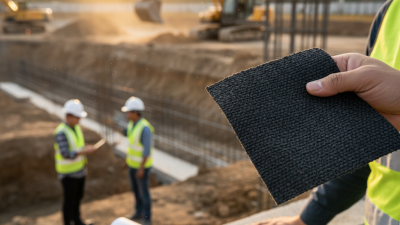
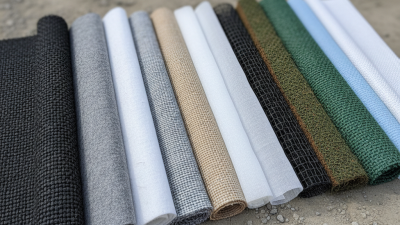
GSM geotextile is a crucial material in construction. It stands for grams per square meter. This measurement indicates the weight of the fabric per unit area. Typically, GSM geotextiles come in various weights, ranging from light to heavy. The composition usually includes polypropylene or polyester. These materials yield high strength and durability, essential for construction projects.
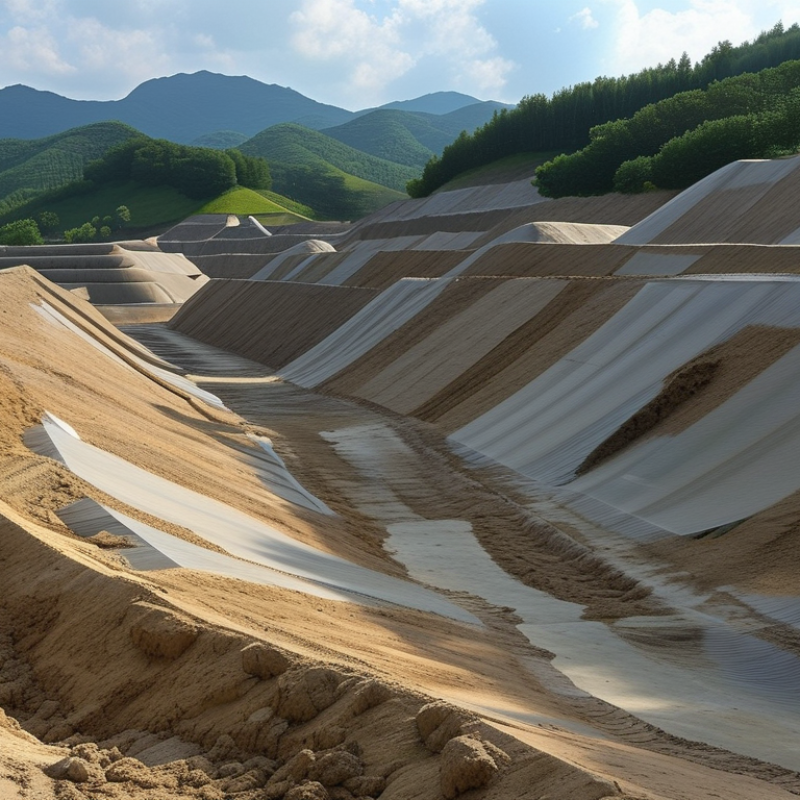
GSM geotextile serves multiple functions. It acts as a filter, allowing water to pass while holding back soil particles. In road construction, it provides separation between soil layers, preventing mixing. This helps maintain structural integrity. Moreover, it can aid in erosion control. However, the effectiveness of GSM geotextile depends on correct installation and choice of weight. Uninformed decisions can lead to project delays and unexpected costs.
The right GSM geotextile choice requires thoughtful consideration. Not all projects have the same needs. Environmental factors and soil types play a significant role. It's wise to consult experts to avoid common mistakes. Projects may suffer if inappropriate materials are selected. Evaluating requirements thoroughly can enhance the effectiveness of your construction endeavors.
Comparison of GSM Geotextile Types
This bar chart compares the tensile strength of various GSM geotextile types, illustrating how the GSM (grams per square meter) rating affects the material's performance in construction applications.
Key Benefits of Using GSM Geotextile in Construction Projects
Choosing GSM geotextile for your construction projects can significantly enhance the project's efficiency and durability. One key benefit is its ability to improve soil stability. This fabric helps prevent erosion and supports the ground structure. Engineers appreciate how it acts as a barrier, preventing mixing of different soil layers. As a result, the lifespan of structures increases.
Another advantage is its water drainage capabilities. GSM geotextiles allow for controlled water flow while filtering soil particles. This feature is crucial in areas prone to moisture accumulation. Proper drainage reduces the risk of foundational issues, creating a safer environment for construction.
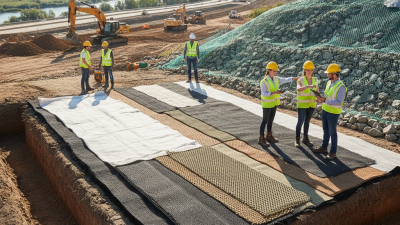
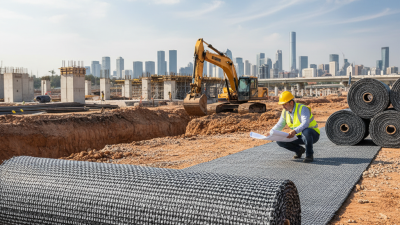
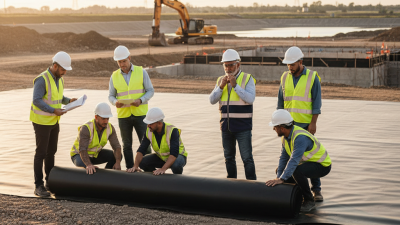
When integrating geotextiles, consider proper installation methods. Ensure the fabric is laid flat and overlaps adequately at the seams. Maintaining correct tension is essential to avoid wrinkles. Regular inspections during the project can catch potential issues early. This proactive approach can save time and resources in the long run.
Applications of GSM Geotextile in Different Terrain Types
GSM Geotextile is a versatile material that performs well in various terrains. In soft soil areas, it helps stabilize the ground. This reduces the risk of settling and improves load distribution. Construction projects in marshy or wet conditions benefit immensely from this material. The fabric's drainage properties can alleviate water buildup, protecting the integrity of structures above.
In rocky terrains, GSM Geotextile provides a layer of separation. It prevents soil erosion and controls sediment movement. This application is crucial for road construction and landfills. The installation of GSM in these areas can mitigate the need for extensive excavation, which can be costly and time-consuming.
Urban environments pose unique challenges as well. GSM Geotextile aids in urban drainage systems. It filters out sediment, allowing for cleaner water runoff. Yet, some may overlook the importance of proper installation. It's vital to ensure that the fabric is laid correctly to maximize its effectiveness. Ignoring this can lead to underperformance, highlighting the need for careful planning and execution.
Comparison of GSM Geotextile with Other Geotextile Types
When considering geotextile options for construction, GSM geotextile stands out for its unique properties. It combines strength and durability, making it beneficial for various applications. Unlike lighter geotextiles, GSM provides superior load-bearing capacity. This is crucial in projects where soil stabilization or erosion control is necessary.
The comparison with other types is revealing. Other geotextiles, like non-woven variants, offer excellent filtration but might lack the tensile strength required for heavy construction. By contrast, woven geotextiles may not handle water flow as well as GSM, potentially leading to long-term issues in drainage. Therefore, selecting the right type for specific needs is essential.
Tips: Always evaluate project requirements before choosing a geotextile. Take soil type, water management, and load factors into account. Ensuring the right match can prevent future complications. Be aware that not every geotextile will fit all situations. Consider consulting with an expert for the best results. Proper selection minimizes long-term costs and enhances project success.
Installation Techniques and Best Practices for GSM Geotextile
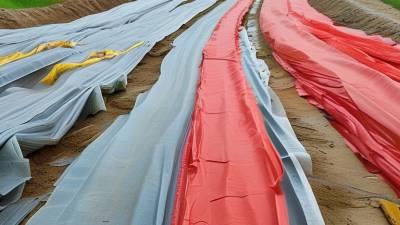
GSM geotextiles are essential in various construction projects, providing stabilization and filtration. Proper installation techniques can significantly influence their effectiveness. First, the ground must be adequately prepared. Remove debris, roots, and any sharp objects. A well-prepared substrate ensures good contact with the geotextile, enhancing performance.
When laying the GSM geotextile, overlap the edges by at least 12 inches. This overlap prevents soil migration and improves load distribution. According to a report by the Geosynthetic Institute, proper overlapping can increase the overall strength of the installation by as much as 20%. Secure the geotextile with anchors or staples to maintain its position during subsequent construction activities.
Finally, avoid installing geotextiles in extreme weather conditions. High moisture or freezing temperatures can hinder adhesion and compromise integrity. Consider checking moisture content, which should ideally be below 25% for most applications. Consistent monitoring and careful adjustments during installation are crucial to achieving the desired performance from GSM geotextiles. These practices underscore the importance of meticulous planning in construction.