Best Film Geotextile Options for Global Buyers?
Film Geotextile is becoming an essential material for many global projects. These synthetic fabrics provide excellent durability and functionality in various applications. Buyers need to understand the best options available in the market. The choice of Film Geotextile can significantly impact project success.
Selecting the right Film Geotextile demands expertise and careful consideration. Many factors influence this decision, including project requirements, local regulations, and material properties. It's vital to explore various suppliers and their offerings. Not all products meet the same standards or quality. Some options may not perform as expected, leading to complications.
Understanding the differences between products is crucial. Buyers must engage with reliable suppliers and conduct thorough research. Unfortunately, many overlook this step, resulting in poor choices. Local conditions and project specifics should guide selections. In the ever-evolving market, informed decisions can safeguard investments and enhance project outcomes.
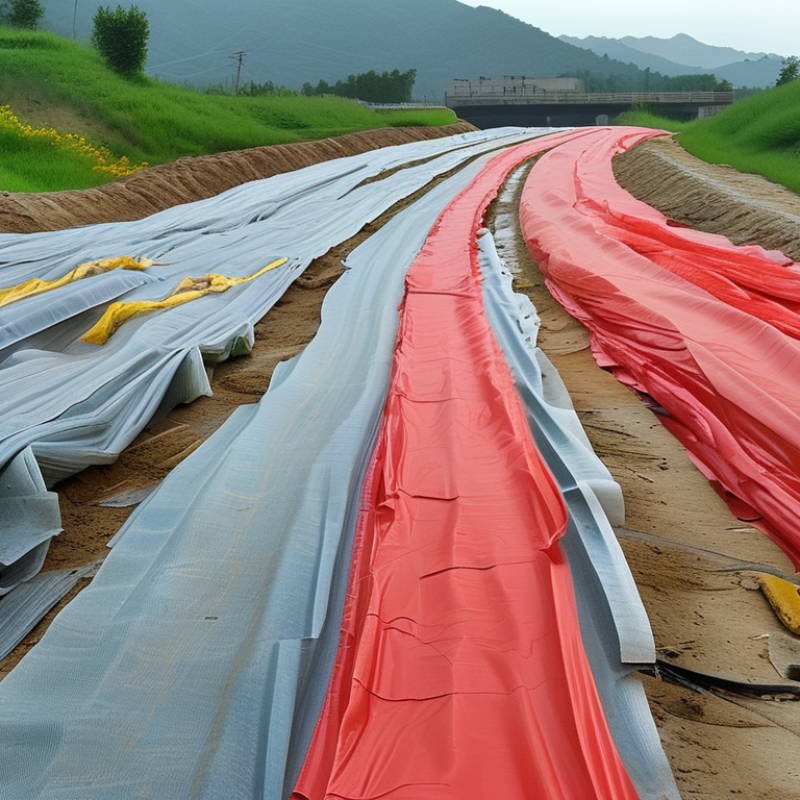
Best Film Geotextile Options Overview for Global Buyers
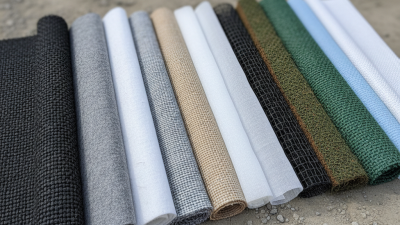
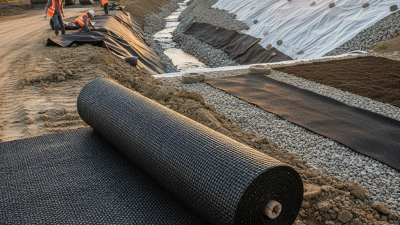
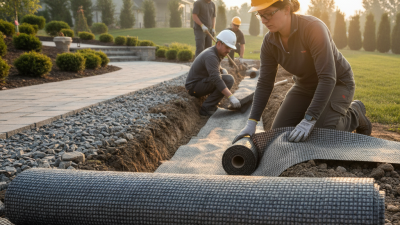
When considering film geotextiles, global buyers must find reliable options. These materials are essential for soil stabilization, erosion control, and drainage systems. They come in various types, including woven and non-woven variations, each serving specific purposes in construction and landscaping projects.
To select the best geotextile, buyers should focus on strength and permeability. A strong material resists wear and tear during installation. On the other hand, good permeability ensures water flows through the fabric, preventing soil erosion. The choice may vary based on regional soil types and climatic conditions.
Here are some tips:
- Always check technical specifications. This helps to ensure the material meets project requirements.
- Perform field tests when possible. Testing the geotextile's performance under local conditions informs better purchasing decisions.
- Don’t overlook supplier credibility. Reliable suppliers often provide certification and documentation of their products.
- Engage in conversations with industry professionals for insights on the best options available in the market.
Key Factors to Consider When Selecting Film Geotextiles
When selecting film geotextiles, several key factors come into play. Quality is paramount. Higher-quality materials provide better durability and performance. Look for options that can withstand environmental challenges, like moisture and temperature shifts. These factors can greatly affect longevity and effectiveness.
Another important consideration is the specific application. Different projects may require varying properties in geotextiles. For example, erosion control projects may prioritize water permeability. In contrast, drainage applications might need materials with specialized filtration features. Understanding the specific needs of your project is crucial.
Lastly, don't overlook the importance of environmental impact. Eco-friendly options are increasingly available, but their effectiveness can vary. Research the sustainability claims of materials. This will ensure you're making informed choices that balance performance and environmental responsibility. There’s often a trade-off between cost and quality as well. Always weigh your options before making a decision.
Best Film Geotextile Options for Global Buyers
| Geotextile Type |
Material |
Thickness (mm) |
Weight (g/m²) |
UV Resistance |
Typical Applications |
| Woven Geotextile |
Polypropylene |
0.5 |
150 |
Good |
Road Construction |
| Non-Woven Geotextile |
Polyester |
0.8 |
200 |
Excellent |
Drainage Systems |
| Geocomposite |
Polyethylene |
1.0 |
300 |
Good |
Landfill Covers |
| Biodegradable Geotextile |
Natural Fibers |
0.6 |
100 |
Limited |
Erosion Control |
Types of Film Geotextiles and Their Applications
Film geotextiles play a crucial role in various geotechnical and environmental applications. They are designed to enhance soil stability, prevent erosion, and facilitate drainage. These materials are widely used in transportation systems, landfills, and hydraulic structures. Their properties often include high tensile strength and excellent permeability.
There are several types of film geotextiles available. Some are made from polyethylene, while others use polypropylene. Each type serves specific purposes. Polyethylene film geotextiles, for example, are often used under roads and embankments. They provide a moisture barrier, preventing water intrusion. In contrast, polypropylene options are frequently utilized in drainage applications. They allow water to flow while filtering out soil particles.
The choice between types of film geotextiles requires careful consideration. Factors like project type, environmental conditions, and expected loads must be evaluated. It's important to understand that not every film geotextile is suitable for every application. Testing and field trials may be necessary to ensure performance. Balancing cost with long-term stability can pose challenges. Overall, careful selection leads to better project outcomes.
Best Film Geotextile Options for Global Buyers
This chart illustrates the market demand for various types of film geotextiles based on square meter usage. The data indicates that PP Film and PE Film have the highest demand, suggesting their preference in global markets.
Comparative Analysis of Top Film Geotextile Brands
When selecting film geotextiles, it’s essential to understand the various options available. Several brands, each with unique strengths, cater to different applications. Some films offer excellent UV protection, while others focus on water permeability. The choice depends on specific project requirements.
Comparing top brands can be more challenging than expected. For instance, while one brand may excel in tensile strength, another might be more cost-effective. It’s crucial to evaluate the product specifications closely. Many users overlook the importance of durability in extreme conditions. A potential weakness in one brand could lead to project setbacks. Thus, detailed analysis of performance under different situations is beneficial.
User reviews often reveal deeper insights. Some buyers share their experiences with installation challenges or long-term performance. This feedback can guide informed choices. It’s a reminder that even high-quality geotextiles may not meet every need. Balancing cost, durability, and application specifics is key to making a reliable decision. Recognizing imperfections in each brand helps in achieving the best outcomes.
Sourcing and Supply Chain Considerations for Global Buyers
When sourcing geotextiles globally, buyers should focus on several key factors in their supply chain. First, material quality is crucial. Buyers must understand the specific needs of their engineering projects. This includes tensile strength, permeability, and resistance to degradation. Not all geotextiles are created equal.
Sourcing options also vary considerably based on region. Buyers should consider local manufacturers who may offer competitive pricing and reduced shipping costs. However, relying solely on local suppliers may limit your options. Exploring international suppliers can provide access to advanced technologies and innovative solutions.
Communication plays an essential role in the procurement process. Clear messaging can prevent delays and misunderstandings. Many suppliers may have different lead times and delivery logistics. Buyers must be prepared to adapt if challenges arise. Flexibility can make or break the success of a project. Balancing cost, quality, and lead time is a delicate act.