How to Choose Baselok Geocell for Your Project Needs?
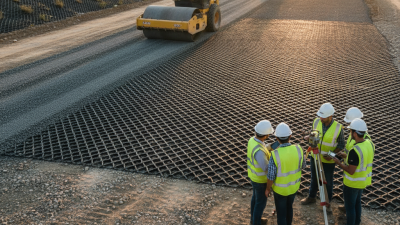
When embarking on a construction project, selecting the right materials is crucial. One such material is Baselok Geocell. This innovative solution provides enhanced stability and support for various applications. Whether you are building roads, retaining walls, or erosion control systems, Baselok Geocell stands out for its adaptability.
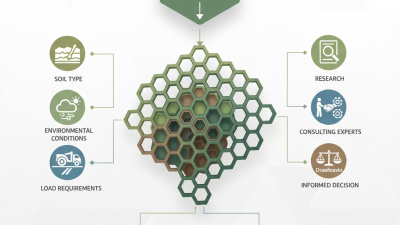
Choosing the appropriate Baselok Geocell involves understanding your project’s specific requirements. Factors like soil type, load-bearing needs, and environmental conditions should guide your decision. An informed choice can lead to better long-term performance and reduced maintenance costs. However, it is essential to assess the complexities involved. Not every project is the same; unique challenges may arise.
Consulting with experts can significantly benefit your decision-making process. Their expertise can provide valuable insights into your needs. However, it's also vital to do your own research. Consider potential drawbacks and reflect on your project's unique context. Ultimately, the right Baselok Geocell will enhance your project’s success, ensuring durability and stability.
Understanding Geocell Technology and Its Benefits
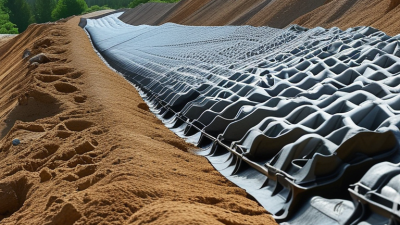
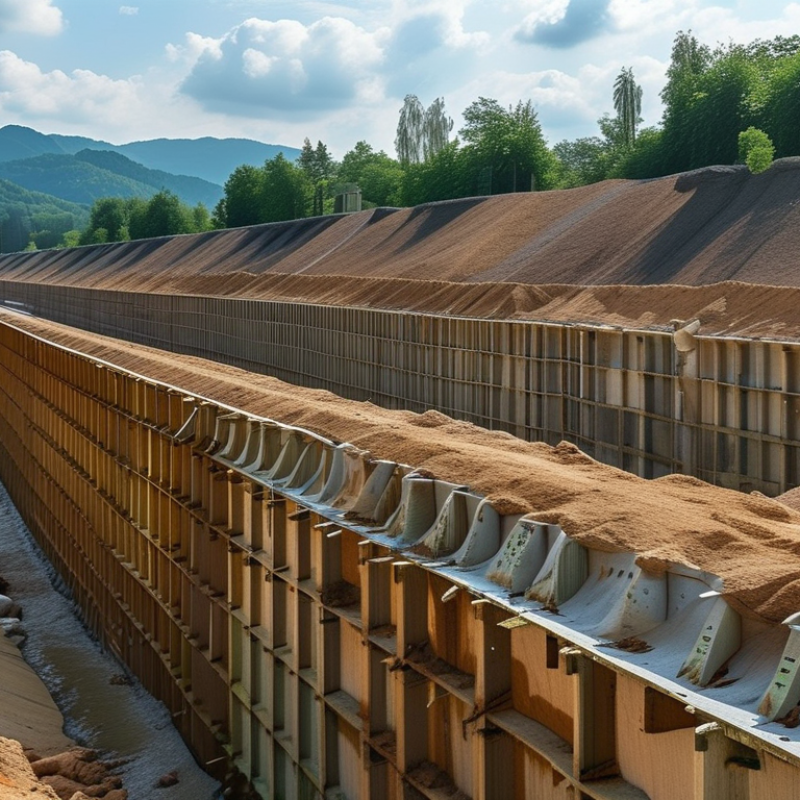
Geocell technology has transformed the way we approach soil stabilization and erosion control. These innovative products consist of interconnected cells made from durable materials. When filled with soil or aggregate, they form a strong, stable structure. This capability helps in managing slope erosion, enhancing load-bearing capacity, and even creating green spaces in urban environments.
The benefits of using geocells are numerous. They decrease material usage and reduce construction costs. Their lightweight design allows for easy handling and installation. However, not all projects will benefit equally from geocells. Assessing the specific soil conditions and load requirements is crucial. An improper fit can lead to underperformance. It’s essential to consult with professionals who understand the nuances of geocell applications and their limitations.
Understanding these factors is vital for success. Observational data from past projects can provide valuable insights. These insights can guide decisions during the planning stage. Relying solely on general specifications may not yield the best outcomes. Each project is unique, and a tailored approach ensures optimal results while minimizing risks.
Identifying Your Project Requirements for Geocell Application
Choosing the right geocell for your project hinges on understanding specific site conditions. Geocell applications vary widely based on soil type, load requirements, and environmental factors. A 2021 market report noted that approximately 65% of geocell applications are tied to soil stabilization. Knowing how your soil performs under pressure is crucial for material selection.
Tip: Conduct a soil analysis before choosing a geocell. This analysis provides insights into moisture levels, compaction, and stability. Parameters like the California Bearing Ratio (CBR) can guide how much weight the geocell must support effectively.
Another factor is project duration. Short-term projects may require lighter, more flexible geocells. On the other hand, long-term uses benefit from robust and durable materials. The International Geosynthetics Society notes that the performance of geocells can improve project life spans by over 30%.
Tip: Always consider environmental conditions such as rainfall and temperature fluctuations. The material must withstand these elements. Lighter materials might degrade faster, especially in tropical climates. Balancing cost and effectiveness is ongoing work; constant evaluation is essential.
Evaluating Different Types of Baselok Geocell Products
When selecting geocell products for your project, it's essential to evaluate the different types available. Geocells come in various materials and designs, making it crucial to match them with your specific requirements. Consider cell size and wall thickness. Thicker walls provide more strength, while varying cell sizes influence stability and drainage.
Assessing the intended use is also vital. For example, erosion control projects might benefit from more permeable geocells. On the other hand, projects involving heavy loads may require a denser cell structure. Think about the environmental conditions too. Some geocells are better suited for extreme weather while others excel in moderate climates.
Conducting a hands-on test can yield insight into performance. If possible, request samples before making a commitment. Remember, even high-quality geocells may not be suitable for every scenario. Be prepared to adapt your choice based on conditions and project needs. Experience teaches us that a careful assessment often leads to better outcomes, even if it requires extra time and reflection.
Factors to Consider When Choosing Baselok Geocell
Choosing the right geocell for your project requires careful consideration of several factors. One key aspect is soil type. Different soils interact differently with geocell structures. For instance, cohesive soils often require more reinforcement than granular soils. According to industry reports, geocells can improve load distribution significantly, particularly in soft soil conditions.
Another aspect is the intended application. Geocells can be used for erosion control, base stabilization, or slope support. Understanding your project goals is essential. A report from the Geosynthetics Research Institute suggests that selecting a geocell designed for specific uses can enhance performance significantly. For example, erosion control geocells tend to have different design features compared to those meant for load-bearing applications.
Tips: Always evaluate environmental conditions. The geocell's resistance to UV, chemical exposure, and temperature should align with local conditions. Additionally, consider installation methods. Some systems are easier to install, which can save time and costs. Finally, remember to assess the longevity and maintenance needs of your selected geocell product. While many are durable, not all are equally reliable over time.
Factors to Consider When Choosing Geocell for Your Project Needs
Best Practices for Installing Baselok Geocell in Your Project
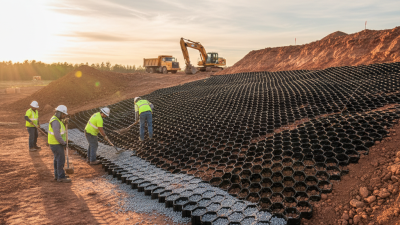
When installing geocell systems, several best practices ensure effectiveness. Professional reports indicate proper site preparation is crucial. This includes clearing vegetation and laying a stable foundation. A disturbed site can lead to uneven settling, which compromises the structure's integrity. High-quality geocell products should be laid in a uniform pattern to maintain uniformity in load distribution.
Using the correct fill material also plays a vital role in installation success. Research shows that aggregate sizes between 3/4 inch and 1 inch provide optimal stability. Smaller particles may lead to erosion, while larger ones can cause voids. Regular monitoring during installation can help catch issues early. Observing how the geocell interacts with the fill under load is key.
Seaming and fastening must be approached with caution. Incorrect seams can lead to failure in load-bearing capacity. Many installations overlook this aspect, with some experts suggesting a tension check post-installation. Regular assessments throughout the project's life cycle are also necessary to ensure ongoing performance. This helps identify wear that may compromise the system’s effectiveness over time.
How to Choose Baselok Geocell for Your Project Needs? - Best Practices for Installing Baselok Geocell in Your Project
| Dimension |
Description |
Best Practice |
Installation Tips |
| Thickness |
Thickness impacts the strength of the geocell. |
Choose a thickness suitable for your load requirements. |
Ensure proper anchoring for thicker options to enhance stability. |
| Cell Size |
Larger cells are better for heavier load dispersion. |
Select cell size based on anticipated soil movement. |
Overlap cells by at least 10% for better load distribution. |
| Material Type |
Geocells can be made of various polymers. |
Choose UV-resistant materials for outdoor projects. |
Check for environmental stress cracking before installation. |
| Application |
Applications include erosion control and slope stabilization. |
Use the right type based on site conditions. |
Conduct site analysis to guide application selection. |
| Soil Type |
Different soils interact with geocell differently. |
Test soil bearing capacity before installation. |
Consider soil compaction for optimal performance. |