Top 10 Uses of Geotextile in Construction and Environmental Applications?
Geotextile use has transformed the construction and environmental industries. This versatile fabric material plays a critical role in enhancing soil stability and managing water drainage. As Dr. Emily Harrison, a leading expert in geotechnical engineering, states, "The benefits of geotextiles go beyond simple ground reinforcement; they reshape how we approach environmental conservation."
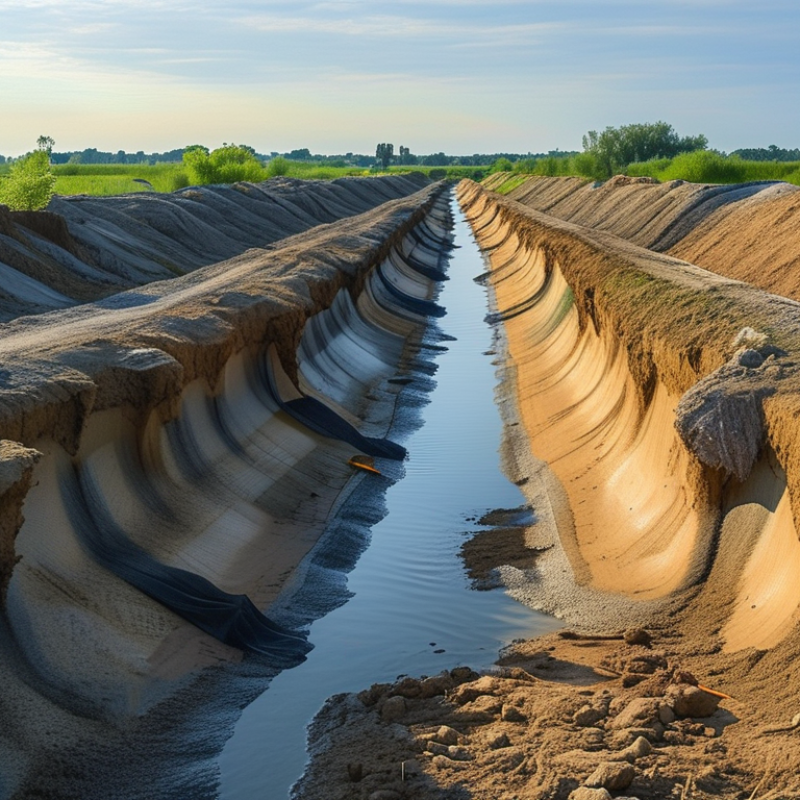
In construction, geotextiles serve various applications, from erosion control to reinforcement of roadways. They filter, separate, and protect, ensuring the longevity of structures. Their lightweight nature makes them easy to transport and install, minimizing project time. However, some may underestimate their impact in complex projects. In environmental applications, geotextile use aids in restoring wetlands and controlling sedimentation. They offer a sustainable solution without compromising natural ecosystems.
Despite their advantages, there are risks in improper installation or material choice. It is crucial to consult experts before implementation. Real-world scenarios reflect on the importance of choosing the right type of geotextile and its specific application. Through careful consideration, we can fully leverage the benefits of geotextiles in construction and the environment.
Top 10 Uses of Geotextile in Construction and Environmental Applications
Geotextiles play a vital role in modern construction and environmental projects. These synthetic fabrics offer solutions for soil stabilization and erosion control. According to a report by IBISWorld, the global geotextile market is projected to reach $9.5 billion by 2025, reflecting an increasing reliance on these materials in infrastructure.
One major use of geotextiles is in road construction. They provide separation and filtration, enhancing the road's durability. Research shows that using geotextiles can extend the life of a road by up to 50%. This is crucial in areas with heavy traffic or poor soil conditions. However, challenges remain. Sometimes, improper installation can lead to failures. This risk can undermine the benefits these materials offer.
Moreover, geotextiles are essential in environmental applications, such as land reclamation and drainage systems. They help in controlling water flow and reducing sedimentation. A study from the Geosynthetics Institute indicates that they can reduce soil erosion by up to 75% in certain conditions. Nonetheless, not all geotextiles perform equally. It’s necessary to choose the appropriate type based on project requirements, which may not always be clear. This complexity warrants more research and standardization in the industry.
Conclusion
Geotextile use has gained significant traction in construction and environmental applications due to its versatility and effectiveness in various scenarios. One notable application is soil stabilization, where geotextiles enhance the foundation of structures by providing added support and preventing soil displacement. In erosion control, they protect slopes and waterways from degradation, promoting sustainable land management.
Additionally, geotextiles facilitate drainage solutions by improving water flow within soil systems, crucial for preventing waterlogging and ensuring soil health. Their role as filter fabric in waste management is equally vital, as they help prevent contamination and maintain clean environments. Furthermore, in road and pavement construction, the use of geotextile extends the longevity and performance of road surfaces, making them a valuable asset in modern construction practices. Overall, the diverse applications of geotextiles underscore their importance in building resilient infrastructure and protecting ecosystems.
Related Posts
-
China Top Geotextile Use Applications in Construction and Environmental Projects?
-

How to Effectively Implement Geotextile Use in Your Construction Projects
-
What is Geotextile Tape and How is it Used in Construction?
-
Top 10 Geotex Textiles for Global Buyers to Consider?
-
How to Choose the Right Geotex Textiles for Your Project?
-

What is Geotex Textiles and How It Revolutionizes the Textile Industry
-

Phone
-

E-mail
-

Whatsapp
-

Top