Top 10 Geotex Textiles for Global Buyers to Consider?
Geotex Textiles are essential in various applications, from construction to environmental sustainability. They play a critical role in soil stabilization and erosion control. According to a recent market analysis by Technavio, the global geotextiles market is expected to grow by $3.3 billion from 2022 to 2026. This growth reflects the increasing demand for sustainable practices across industries.
Dr. Emily Chen, a prominent expert in geosynthetics, emphasizes the importance of innovation in this field. She states, "Investing in advanced geotex textiles ensures better environmental management and enhanced durability." This statement underlines the need for buyers to remain informed about the latest developments in geotex materials.
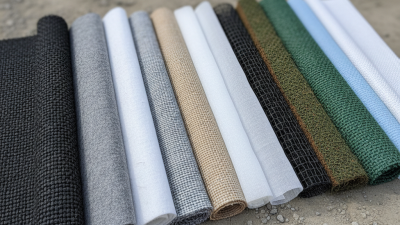
The variety in geotex textiles, including woven, non-woven, and knitted options, offers tailored solutions for different projects. However, global buyers must navigate challenges like material quality and supplier reliability. The right choice in Geotex Textiles can significantly impact project outcomes. It’s crucial to consider both performance and environmental implications in decision-making.
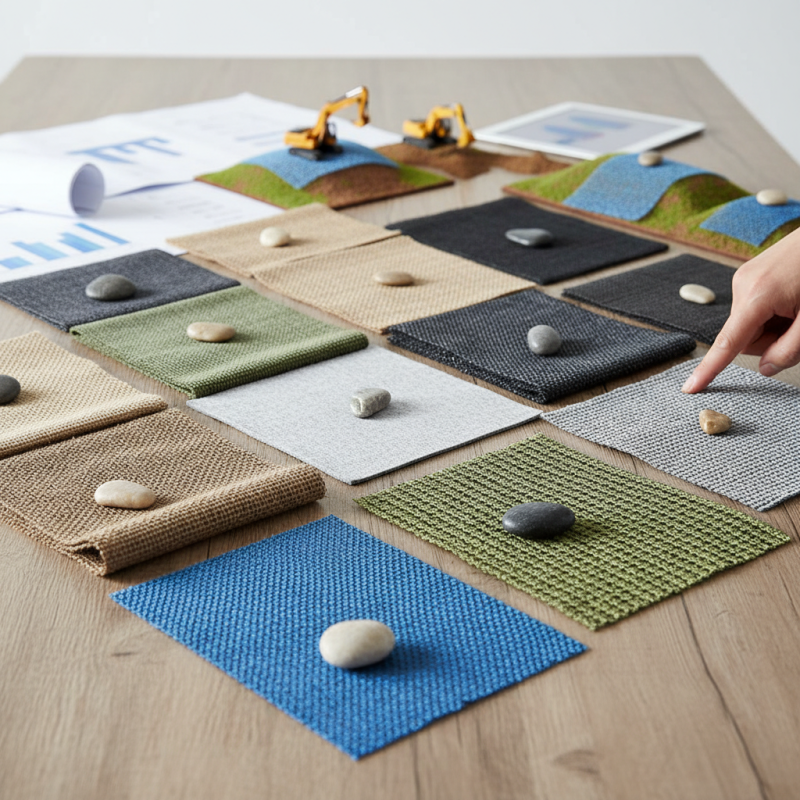
Overview of Geotextiles and Their Applications in Various Industries
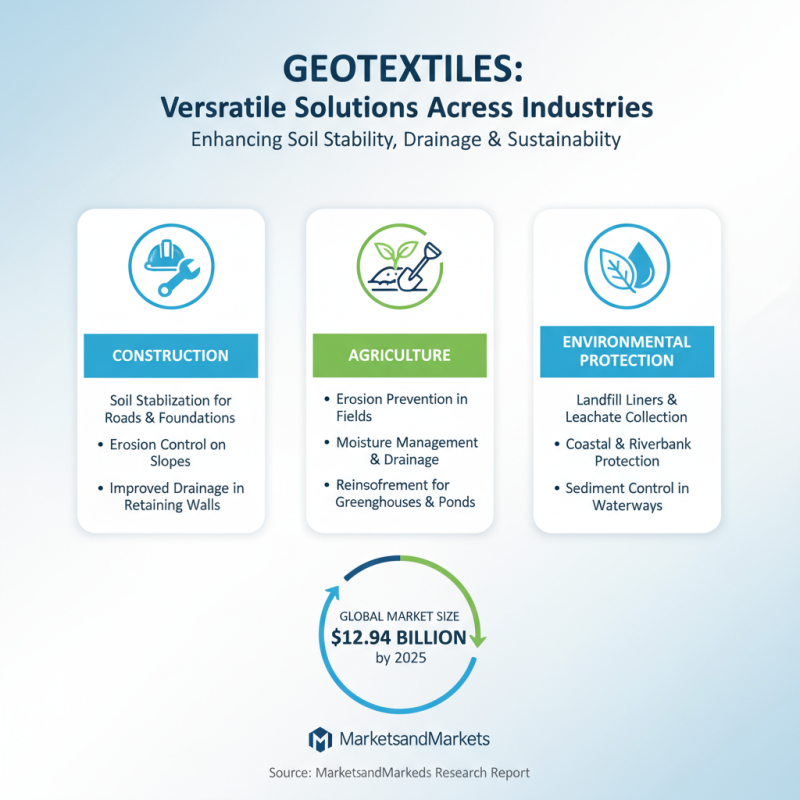
Geotextiles play a vital role in various industries, offering solutions to challenges in construction, agriculture, and environmental protection. According to a research report by MarketsandMarkets, the global geotextiles market size is projected to reach $12.94 billion by 2025, indicating a growing recognition of their importance. These textiles enhance soil stability by supporting erosion control. They also facilitate drainage, making them essential for sustainable land management.
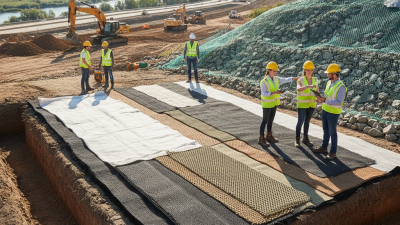
In civil engineering, geotextiles are widely used in road construction and foundation support. They improve load distribution and extend the lifespan of structures. For instance, woven geotextiles, known for their strength, are employed in highways and railway projects. Non-woven types offer filtration and drainage, crucial for in-situ soil stabilization. The versatility of geotextiles addresses specific needs across sectors, but their effectiveness can vary based on the application and environmental conditions.
In agriculture, geotextiles prevent soil erosion and promote water retention. Farmers utilize them to manage crops more sustainably. A report from Technavio suggests that this sector will see a rise in the use of geotextiles as more farmers recognize their benefits. However, the increasing demand raises concerns about the environmental impact of production processes. Companies must balance innovation with sustainability. This challenge calls for further exploration of eco-friendly materials and practices.
Key Factors to Consider When Selecting Geotextiles for Projects
When selecting geotextiles for construction projects, understanding key factors is essential. Geotextiles serve diverse purposes, from soil stabilization to drainage solutions. Buyers must prioritize material type, as different geotextiles provide varied levels of strength and permeability. Consider the specific project requirements before making a choice.
Durability is another crucial factor. High-quality geotextiles resist environmental factors, enhancing longevity. Evaluate the geotextile’s resistance to UV rays and chemical exposure. These attributes significantly impact performance over time. It’s important to note that a more expensive option may offer better long-term savings through reduced maintenance costs.
Tips: Always review technical specifications. Look for third-party testing results to validate product claims. Engage professionals in your selection process. Their expertise can guide you toward the best geotextile suited for your project. Remember that choosing the right geotextile can make the difference between a successful project and costly failures.
Top 10 Geotex Textiles for Global Buyers to Consider
| Geotextile Type |
Primary Use |
Material |
Weight (g/m2) |
Filtration Efficiency (%) |
Tensile Strength (kN/m) |
| Nonwoven Geotextile |
Separation & Filtration |
Polyester |
100 |
85 |
8 |
| Woven Geotextile |
Stabilization |
Polypropylene |
150 |
90 |
10 |
| Geocomposite |
Drainage |
Geotextile + Drainage Core |
200 |
95 |
12 |
| Geogrid |
Reinforcement |
Polyester |
120 |
N/A |
20 |
| Geotextile Tube |
Dewatering |
Polypropylene |
300 |
80 |
15 |
| Silt Fence Fabric |
Erosion Control |
Polyester |
160 |
70 |
5 |
| Heavy Duty Geotextile |
Road Construction |
Polypropylene |
250 |
85 |
18 |
| Landscape Fabric |
Gardening |
Polypropylene |
110 |
60 |
7 |
| Road Fiber Reinforcement |
Pavement |
Synthetic Fibers |
130 |
N/A |
30 |
| Permeable Paving Fabric |
Pavement Drainage |
Polyester |
180 |
95 |
11 |
Top 10 Geotex Textiles for Erosion Control and Soil Stabilization
Erosion control and soil stabilization are crucial for sustainable land management. One effective approach is using geotextiles. These materials enhance the durability of soil and protect against erosion. They come in various forms, including woven, non-woven, and geogrid types. Each type serves a specific purpose, depending on the project requirements.
Woven geotextiles, for example, offer high tensile strength and are suitable for heavy-duty applications. They are often used in road construction and retaining walls. In contrast, non-woven geotextiles provide excellent filtration and drainage capabilities, making them ideal for landscaping and agricultural needs. Geogrids are particularly effective in reinforcing soils and preventing shear failure, a common issue in unstable terrains.
However, selecting the right geotextile isn't always straightforward. Soil conditions, environmental factors, and project goals must all be considered. There isn't a one-size-fits-all solution. Some projects may require a combination of materials for optimal results. Mistakes in selection can lead to project failures, which underscores the importance of expert consultation. Understanding the specific needs of a site is key to making informed decisions. This awareness can greatly enhance the long-term success of erosion control and soil stabilization efforts.
Innovative Geotextile Products for Environmental Protection
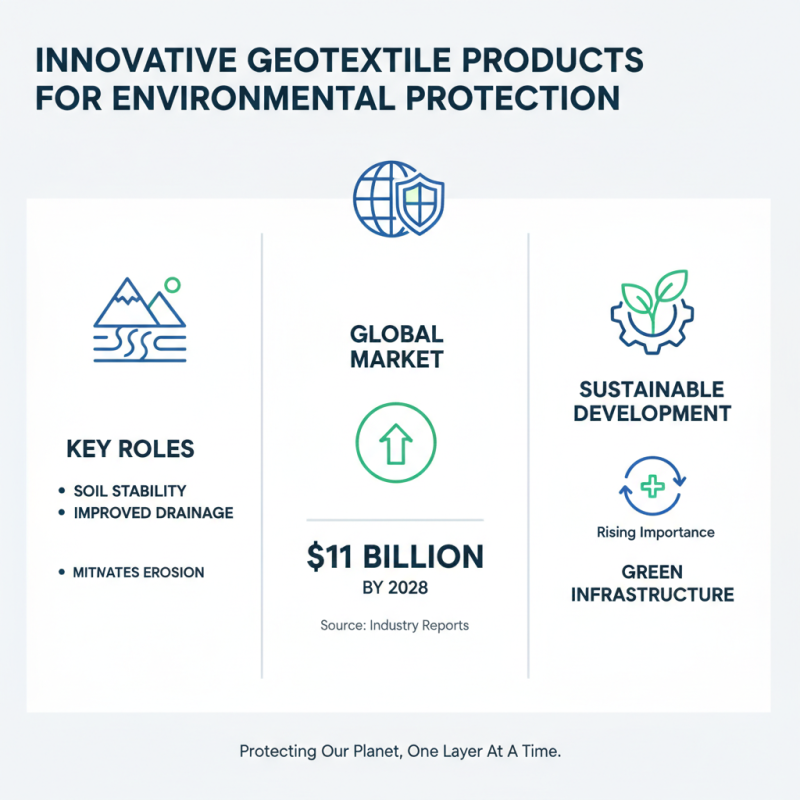
Geotextiles play a vital role in environmental protection. They enhance soil stability and improve drainage. Their innovative designs help mitigate erosion in various landscapes. According to recent industry reports, the global geotextiles market is projected to reach $11 billion by 2028. This growth reflects their rising importance in sustainable development.
Some of the most innovative products include biodegradable geotextiles. These materials degrade over time, reducing waste in landfills. They support vegetation growth while preventing soil erosion. Additionally, woven and non-woven geotextiles offer unique solutions for different terrains. For instance, non-woven options excel in water filtration, while woven alternatives provide strength against soil movement.
However, the integration of geotextiles isn't without challenges. Some products may require careful management to ensure they meet environmental standards. Instances of improper installation and selection can lead to reduced efficiency. Continuous research is essential to address these gaps and promote better practices within the industry. Finding the right balance between functionality and environmental impact remains a key area for development.
Future Trends in Geotextile Materials and Technologies for Global Markets
Geotextile materials are on the brink of significant transformation. Industry reports indicate the global geotextiles market is expected to reach $12 billion by 2027. This growth highlights the increasing demand for enhanced durability and environmental sustainability.
Future trends point to the rise of innovative materials, such as biodegradable geotextiles. These alternatives aim to reduce environmental impact while maintaining efficiency. According to studies, demand for eco-friendly options has surged by 25% in the last three years. The integration of smart technologies could also reshape geotextile applications. Sensors embedded in geotextiles can monitor soil stability, which adds value to construction projects.
However, the adaptability of new materials remains a challenge. Not all markets are ready to embrace these innovations. Research shows that traditional geotextiles still dominate, leaving a gap in education and awareness. As the industry progresses, companies must weigh these advancements against existing solutions. This ongoing evaluation of technologies will be crucial for informed decision-making in global markets.
Top 10 Geotex Textiles for Global Buyers
This bar chart represents the market demand for various types of geotextiles, indicating their relevance and preferences among global buyers. The data reflects current trends and projected growth in the geotextile materials sector.