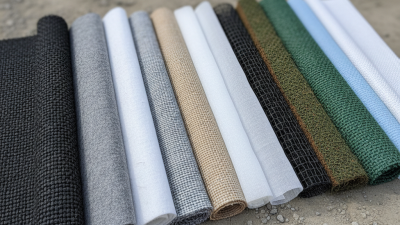
What is Geotextile GSM and How Does It Impact Your Projects?
Geotextile GSM is a crucial component in construction and environmental engineering. It plays a significant role in various projects, enhancing stability and performance. According to a report by the International Geosynthetics Society, demand for geotextiles is expected to grow by 7.8% annually through 2026. This data highlights the importance of understanding materials like Geotextile GSM.
Utilizing Geotextile GSM can influence project outcomes significantly. Its applications range from erosion control to road construction. Effective use of this material can lead to reduced site costs and improved durability. However, misconceptions about the fabric type and thickness still exist among practitioners. Proper education about gsm ratings could optimize its application.
Infrastructure projects often face challenges like soil instability and water erosion. Geotextile GSM offers effective solutions; however, its selection requires expertise. Assessing your project's needs is essential for successful implementation. Relying on outdated practices could undermine the benefits of Geotextile GSM. Awareness and knowledge about this material are imperative for optimizing project success.
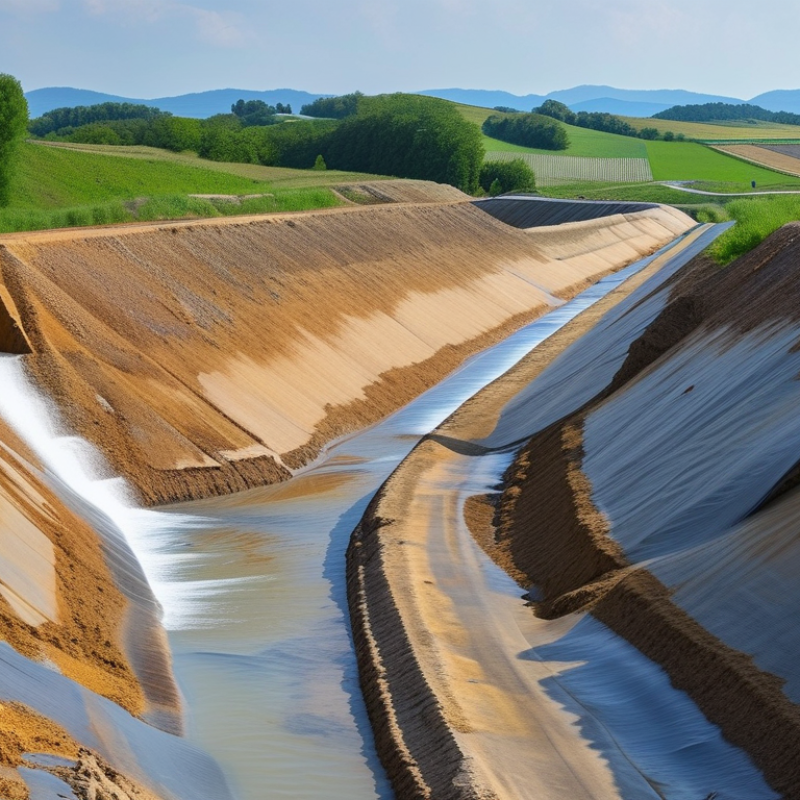
Understanding Geotextile GSM: Definition and Importance
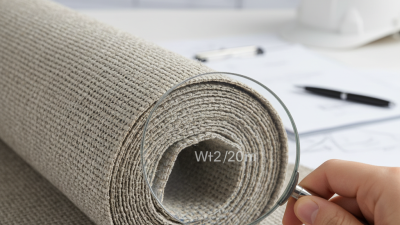
Geotextile GSM, or grams per square meter, plays a crucial role in construction and landscaping projects. It defines the weight and density of the fabric, influencing its durability and effectiveness. Understanding GSM is vital for selecting the right geotextile for your specific needs.
Higher GSM values indicate thicker, stronger fabric. This is beneficial for applications that require substantial support, such as erosion control or soil stabilization. However, a heavier fabric can increase costs and might not be necessary for lighter applications. Assessing project requirements carefully can save both time and money.
Tips: Always consider the environmental conditions of your project site. It can impact geotextile performance significantly. Furthermore, consulting with professionals could provide insights that enhance project outcomes. Evaluate the specifications of various geotextiles to ensure you choose one that truly fits your needs. Mistakes in selection can lead to project setbacks, so take the time to research.
The Role of GSM in Geotextile Material Performance
Geotextile GSM, or grams per square meter, is a critical aspect of geotextile materials. It directly influences their performance in various construction applications. Higher GSM values often indicate thicker and more robust fabrics, which can effectively manage soil erosion and drainage. According to a report by the Geosynthetic Research Institute, geotextiles with a GSM of 200 or more provide substantial structural support.
The role of GSM extends beyond durability. It also impacts water permeability and filtration efficiency. For instance, a geotextile with a GSM around 150 can offer effective filtration without compromising drainage. However, using excessively high GSM materials can lead to increased costs and potential stiffness issues. This trade-off between performance and expense requires careful consideration during project planning.
While many professionals rely on GSM to gauge material suitability, not all projects benefit from high GSM. In some cases, incorporating lower GSM materials can enhance flexibility and ease of installation. Reports indicate that using the right GSM for specific soil types and conditions can improve overall project outcomes. Exploring these complexities can lead to better material selection and project success.
Factors Influencing Geotextile GSM Measurements
GSM, or grams per square meter, is a critical measurement in geotextiles. It significantly influences the functionality and durability of materials used in construction and landscaping projects. Various factors affect GSM measurements, which can complicate project planning. The thickness of the fiber and its composition play vital roles. A denser fabric typically indicates higher GSM, enhancing strength and filtration capabilities. However, this can also lead to issues like reduced drainage.
Environmental conditions impact GSM as well. Temperature and humidity can alter material properties, resulting in unexpected performance. Precise testing methods are needed to ensure accurate GSM results. Variations in testing procedures may yield inconsistent data, leading to design flaws. Engaging with experienced professionals in geotextiles can mitigate such risks. They can guide you through the complexities of material selection.
Ignoring GSM considerations can lead to costly mistakes. Projects may face environmental challenges if the wrong geotextile is used. The long-term performance of structures can degrade. Understanding the factors that influence GSM measurements will enhance project outcomes. Being aware of the nuances and potential shortcomings can strengthen your approach in using geotextiles effectively.
Applications of Geotextile GSM in Construction and Engineering
Geotextile GSM, or grams per square meter, is crucial in various construction and engineering projects. Understanding its applications can enhance project outcomes significantly. These textiles serve various functions, from soil stabilization to erosion control. They facilitate drainage in landscapes, protecting the foundation of structures. Projects that involve road construction benefit greatly from geotextile use. They separate soil layers, which prevents mixing and maintains structural integrity.
In terms of environmental applications, geotextiles also play a role in filtration. They help retain soil while allowing water to flow through, reducing sediment loss. This aspect is vital in projects near water bodies. However, not all projects assess the appropriate GSM for their needs. An inadequate GSM may lead to failure in the expected performance, requiring developers to reassess their initial choices. Ensuring the right balance in GSM can be a challenge for many engineers. Yet, when applied correctly, geotextiles dramatically improve long-term project success.
What is Geotextile GSM and How Does It Impact Your Projects? - Applications of Geotextile GSM in Construction and Engineering
| GSM (grams per square meter) |
Application |
Benefits |
Common Materials |
| 100 |
Separation |
Prevents soil mixing, enhances stability |
Polypropylene, Polyester |
| 150 |
Filtration |
Allows water flow while retaining soil |
Non-woven fabrics |
| 200 |
Reinforcement |
Improves load distribution and increases lifespan |
Geogrid, High-strength fabric |
| 250 |
Drainage |
Facilitates water flow, reduces hydrostatic pressure |
Woven fabrics, Specialty composites |
| 300 |
Erosion control |
Prevents soil erosion, protects landscapes |
Natural fiber blends, Synthetic fabrics |
Impact of Geotextile GSM on Project Durability and Sustainability
Geotextile GSM (grams per square meter) significantly influences project durability and sustainability. Higher GSM values typically indicate a denser and more robust material. This density improves resistance to mechanical stress and environmental degradation. Studies show that using geotextiles with a GSM above 300 can enhance soil stability by up to 40%. This is especially critical for infrastructure projects where soil erosion poses a severe risk.
Sustainability is another crucial benefit of selecting appropriate GSM levels in geotextiles. A well-engineered product reduces the need for additional materials, minimizing environmental impact. According to industry reports, utilizing geotextiles can cut down project waste by nearly 30%. However, the challenge lies in selecting the right GSM for specific applications. Too low a GSM may compromise the longevity of the project, while excessively high GSM can lead to unnecessary costs.
Incorporating geotextiles into civil engineering projects can promote long-lasting performance. Nevertheless, careful consideration of GSM values is essential. The balance must be struck between adequate support and economic efficiency. It's not just about durability; it's about creating sustainable solutions for future generations.
Impact of Geotextile GSM on Project Durability and Sustainability
This chart illustrates the relationship between Geotextile GSM (grams per square meter) and project durability and sustainability across various projects. Higher GSM values typically indicate better durability and sustainability outcomes.