What is Geotex Membrane and How Can It Benefit Your Projects?
Geotex Membrane is a crucial component in modern construction and civil engineering. Its use has grown significantly due to increased awareness of sustainable building practices. According to a recent report by the International Geosynthetics Society, the global geotextiles market is projected to reach $10 billion by 2027, highlighting the rise in demand.
This membrane offers several advantages for various projects. It enhances soil stability, reduces erosion, and improves water management. Projects using Geotex Membrane can see a reduction in maintenance costs by up to 30%, according to industry case studies. Such statistics demonstrate its effectiveness in real-world applications.
However, it’s essential to recognize some challenges as well. The performance of Geotex Membrane can vary based on installation methods and material quality. A lack of standardization in certain regions may also lead to inconsistent results. Addressing these concerns can help optimize the benefits of using Geotex Membrane in future projects.
What is Geotex Membrane?
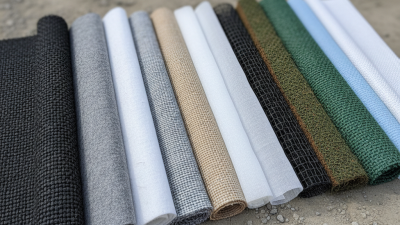
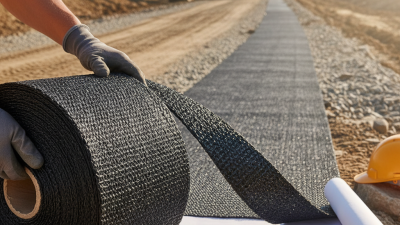
Geotex membrane is an innovative material used in various construction projects. It serves multiple functions, such as filtration, drainage, and erosion control. These membranes are typically made from geosynthetic materials. They provide effective separation between different soil layers. This prevents mixing, which can compromise structural integrity.
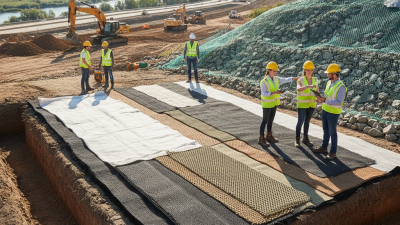
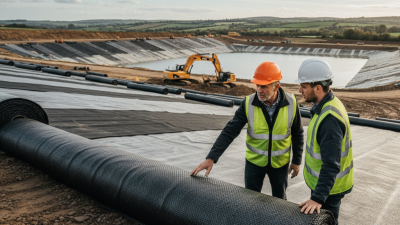
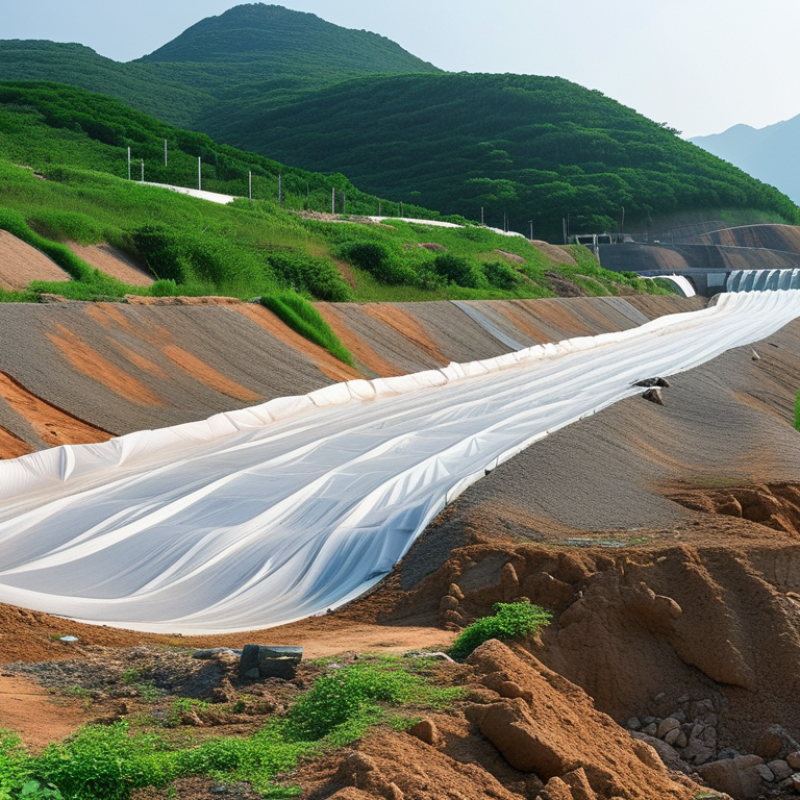
In practical applications, Geotex membranes can be employed in roads, retaining walls, and landfills. They enhance stability and durability. In drainage systems, these membranes help manage water flow, reducing the risk of erosion. However, it’s crucial to select the right type for your specific project needs. Misapplications can lead to performance issues.
While the benefits are clear, challenges remain. Installation must be precise to avoid future problems. Over time, environmental factors can affect durability. A thorough understanding of local conditions is essential. Regular maintenance and monitoring are recommended to ensure long-term effectiveness.
The Composition and Properties of Geotex Membrane
Geotex membranes are vital in various construction and environmental projects. Their composition typically includes high-density polyethylene (HDPE) or polypropylene, providing durability and resistance to chemicals. According to a recent industry report, these materials can withstand extreme weather conditions, with a lifespan of over 25 years in many applications.
One of the standout properties of Geotex membranes is their permeability. They can manage water flow effectively, reducing soil erosion. A study indicates that using Geotex membranes can decrease erosion by up to 75% in certain conditions. This ability to filter and drain water makes them a preferred choice in landfills and road construction projects. However, designers must consider local soil characteristics, as improper installation can negate these benefits.
Despite their benefits, challenges remain. The initial installation costs can be significant, which might deter some projects. Maintenance is also critical; any damage could lead to costly repairs. These factors lead to a need for careful planning and risk assessment. Balancing the advantages with potential drawbacks is essential for project success.
Applications of Geotex Membrane in Construction and Landscaping
Geotex membrane is becoming vital in construction and landscaping. Its applications include erosion control, drainage solutions, and soil stabilization. The versatility of this material allows for its use in various environments, from urban landscaping to large-scale civil engineering projects. According to recent industry reports, the global geotextiles market is projected to grow significantly, highlighting its increasing importance.
In construction, Geotex membranes facilitate proper water drainage and soil retention, which enhances structural integrity. They minimize soil erosion by providing a barrier against water and wind. In landscaping, these membranes aid in creating sustainable gardens by preventing weed growth and helping maintain moisture levels in the soil. This sustainability aspect often resonates with eco-conscious project stakeholders.
Tips: When choosing a Geotex membrane, consider the specific environmental conditions of your project. Not all membranes perform equally in different climates. It’s crucial to understand local soil types and moisture levels. Regular maintenance is also important. Neglecting to monitor conditions can lead to unexpected failures in your projects.
What is Geotex Membrane and How Can It Benefit Your Projects? - Applications of Geotex Membrane in Construction and Landscaping
| Application Area |
Description |
Benefits |
| Civil Engineering |
Use in roads, embankments, and retaining walls to enhance stability. |
Improved load distribution and reduced soil erosion. |
| Landscaping |
Utilized in gardens and green roofs for soil separation and drainage. |
Promotes plant health and prevents water logging. |
| Environmental Protection |
Applied in landfill caps and brownfield remediation projects. |
Minimizes contamination spread and enhances site sustainability. |
| Water Management |
Used in drainage systems to control water flow and prevent flooding. |
Reduces waterlogging and enhances site accessibility. |
| Agriculture |
Incorporated in agricultural fields to enhance soil structure. |
Improves crop yield and decreases water usage. |
Advantages of Using Geotex Membrane in Environmental Projects
Geotex membranes have emerged as vital components in environmental projects. Their primary advantage lies in their ability to provide effective filtration and separation. According to a report by the Environmental Protection Agency, proper use of Geotex membranes can reduce soil displacement by up to 65%. This significant reduction benefits sites susceptible to erosion. The membranes serve to stabilize soil while allowing for effective drainage, promoting healthy vegetation growth.
In construction and civil engineering, the performance of Geotex membranes is evident. Studies show that incorporating these membranes can increase the lifespan of engineered structures by 30%. This happens because the membranes protect underlying materials from contaminants. However, not all Geotex products perform equally. It is crucial to assess their compatibility with specific soil types and environmental conditions. Misapplications can lead to failures in filtration and moisture control.
Moreover, using Geotex membranes can sometimes raise costs. While the initial investment may be higher, the long-term benefits often outweigh these expenses. Delaying proper membrane installation can lead to more costly remediation projects later. Therefore, a careful evaluation is essential to ensure that these materials are applied correctly for maximum efficacy.
Benefits of Using Geotex Membrane in Environmental Projects
Comparing Geotex Membrane with Traditional Materials and Techniques
Geotex membrane represents a significant shift in construction technology. When comparing it with traditional materials, several differences emerge clearly. Traditional options like clay or concrete often require extensive labor and long installation times. Geotex membranes, however, are lightweight and easier to handle. They can be deployed quickly, reducing overall project timelines. This efficiency can save costs and provide more flexibility for project managers.
A key benefit of Geotex membranes is their durability. Unlike clay, which can erode and cracks under pressure, membranes are designed to withstand environmental stresses. They are resistant to chemicals and biological materials, providing a barrier that traditional materials can struggle with. This longevity is a considerable advantage when dealing with challenging soil conditions.
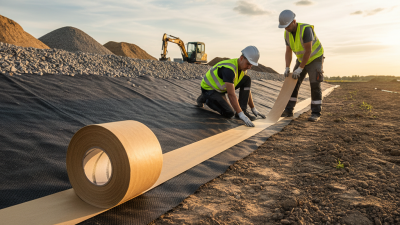
Tips: When using Geotex membranes, ensure proper installation to maximize their benefits. Overlapping seams and correct anchoring can prevent water ingress. Testing the soil before installation can also give valuable insights. A reflective approach to the project can identify potential weaknesses early on and promote better outcomes. Always stay updated with the latest installation guidelines for the materials in use.