What is Geotex Textiles and How Can it Benefit Your Business?
Geotex Textiles represents a significant advancement in the textile industry. It combines durability with functionality. According to Dr. Alice Thompson, an expert in sustainable fabrics, "Geotex Textiles revolutionize the way we view performance materials." Her insights highlight the transformative potential of these textiles.
Businesses can leverage Geotex Textiles to enhance their product offerings. These textiles provide superior resistance to environmental elements. They offer businesses a unique selling point. This is especially valuable in competitive markets. However, adopting Geotex textiles may require investment in training and technology.
Not all companies are prepared for this shift. There can be a learning curve. Organizations must adapt their processes accordingly. Understanding how to incorporate Geotex Textiles is crucial. Embracing this innovation can lead to substantial benefits but requires dedicated effort.
What are Geotex Textiles and Their Composition?
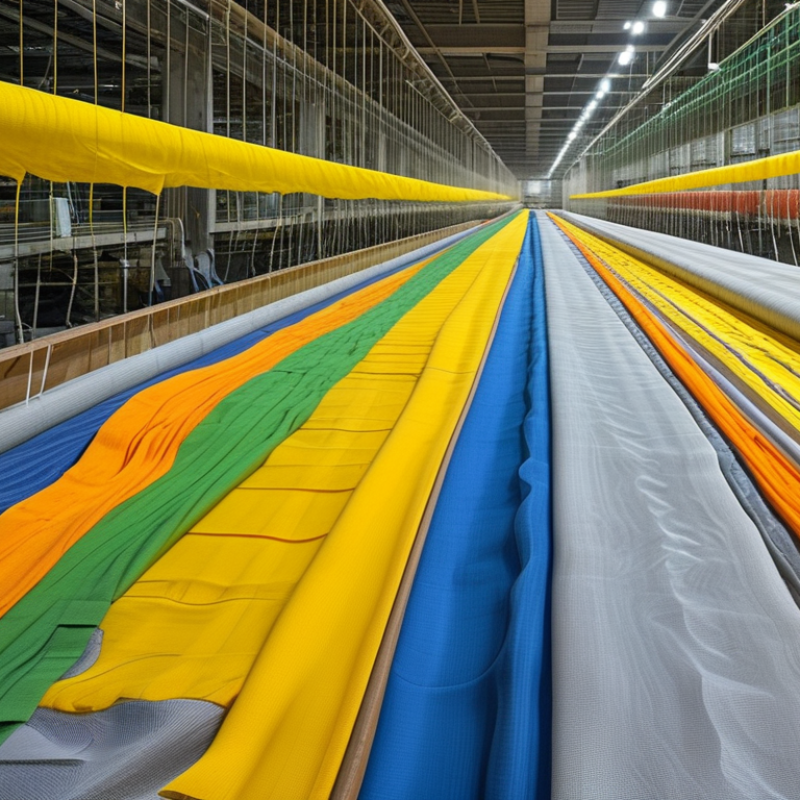
Geotex textiles refer to a range of synthetic materials commonly used in geotechnical applications. These textiles are made primarily from polymers such as polypropylene or polyester. Their robust nature makes them suitable for soil stabilization, drainage, and erosion control. According to a report by the Global Geotextiles Market, the industry's growth is projected to reach $10 billion by 2027, underscoring the increasing reliance on these materials.
The composition of Geotex textiles is crucial. They often include woven or non-woven fabric structures that enhance their durability and performance. A study indicates that non-woven geotextiles can offer up to 50% more drainage capacity compared to traditional materials. Yet, the market isn't without its challenges. Some manufacturers face difficulty in sourcing sustainable materials, raising concerns about environmental impact.
Understanding the composition helps businesses make informed decisions. The right choice can significantly improve the performance of projects, from road construction to landscaping. However, it's essential to reflect on sourcing practices. Are the materials sustainable? Are they being used efficiently? These questions remain vital as companies strive to balance performance and responsibility in their operations.
What is Geotex Textiles and How Can it Benefit Your Business?
| Attribute |
Details |
| Material Composition |
Polypropylene, Polyester |
| Common Applications |
Erosion control, drainage systems, road stabilization |
| Benefits for Businesses |
Cost-effective solutions, enhanced project durability, environmental sustainability |
| Weight |
Lightweight yet strong |
| Installation |
Easy and fast installation, saving labor costs |
| Durability |
Resistant to UV rays, chemicals, and biological degradation |
| Market Demand |
Increasing demand in construction and environmental applications |
Key Applications of Geotex Textiles in Various Industries
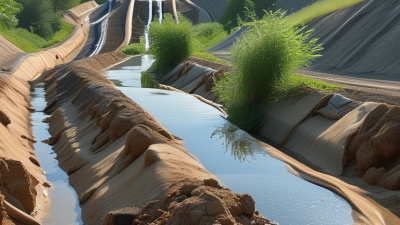
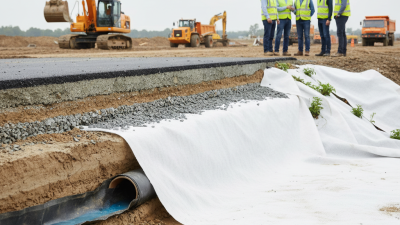
Geotex textiles play a crucial role in several industries, particularly in construction, agriculture, and environmental management. In construction, they provide soil stabilization and erosion control. According to a report by MarketsandMarkets, the global geotextiles market is predicted to reach USD 10.64 billion by 2025, highlighting the growing demand for these materials. Their ability to enhance drainage and reduce soil erosion makes them essential for infrastructure projects.
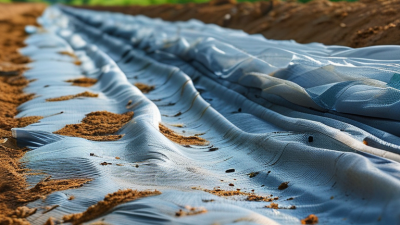
In agriculture, geotex textiles are used as ground covers and weed barriers. They improve crop yield by reducing competition from weeds while maintaining soil moisture levels. The European Geosynthetics Society indicates that the adoption of geotextiles in agriculture could lead to a 20% increase in operational efficiency. However, the effectiveness of these textiles can vary based on local soil types and climates. These factors need careful consideration when implementing geotex solutions.
Environmental management benefits significantly from geotex textiles. They are vital in filtration systems for stormwater management. The effectiveness of these systems largely depends on proper installation and local environmental conditions. Misapplication or poor-quality materials can lead to failures, emphasizing the need for expertise in selection and deployment. Investing in geotex textiles can yield positive results, but due diligence is essential for success.
Benefits of Using Geotex Textiles for Environmental Sustainability
Geotex textiles play a significant role in promoting environmental sustainability. These innovative materials are made from recycled fibers, which reduce waste in landfills. According to a study by the Textile Research Journal, using recycled textiles can decrease energy consumption by 75%. This massive reduction helps businesses lower their carbon footprint.
Moreover, Geotex textiles are biodegradable. When they reach the end of their life cycle, they break down naturally. The Environmental Protection Agency notes that about 85% of textiles end up in landfills, contributing to environmental degradation. Adopting Geotex textiles can help businesses shift toward circular economy practices. This approach not only meets consumer demand for sustainable practices but also strengthens brand loyalty.
The durability of Geotex textiles also merits attention. They can withstand harsh conditions, reducing the need for frequent replacements. Yet, some companies still hesitate to make the switch, fearing higher upfront costs. However, the long-term savings from reduced waste and energy consumption can outweigh initial investments. Thus, the transition to Geotex textiles represents both an ethical choice and a strategic business decision.
How to Choose the Right Geotex Textiles for Your Business Needs
When selecting Geotex textiles, it's essential to assess your specific business needs. Consider the application of the textiles. Are they for erosion control, drainage, or reinforcement? Different applications may require varying properties, such as UV resistance or weight capacity. Reviewing these factors can lead to better functionality in your projects.
Quality and durability are also vital. Look for textiles that have been tested under various conditions. Seek out information about their performance. This knowledge builds confidence in your choice. Remember, not all Geotex textiles are created equal. Some may perform well in one environment but poorly in another.
Additionally, consider the source of your textiles. Reliable suppliers often provide detailed specifications. They should also be willing to share case studies or testimonials. This transparency can help you make informed decisions. While your business may have a limited budget, investing in quality materials often pays off in the long run.
Benefits of Geotex Textiles for Businesses
Future Innovations in Geotex Textiles and Market Trends
Geotex textiles are reshaping the fabric industry with innovations that promise durability, sustainability, and versatility. These materials are engineered to optimize performance in various applications, from construction to fashion. As businesses seek sustainable options, the demand for Geotex fabrics is increasing. This shift signals a pivotal moment for industries that prioritize eco-friendly materials.
Emerging trends highlight the importance of technology in textile development. Intelligent fabrics that respond to environmental changes are just one example. These textiles enhance user experience while reducing waste. Businesses that adapt quickly can capture market opportunities. Companies must stay updated on advancements in fabrics for sustained growth. Investing in research can lead to breakthroughs in performance.
When integrating Geotex textiles, consider the following. Choose suppliers who prioritize sustainability. Collaborate with experts for innovative solutions. Engaging with industry leaders can provide insights into trends and best practices. Reflect on your current materials and assess areas for improvement. This proactive approach can drive your business toward a competitive edge in the evolving market landscape.