2026 Best Gravel Geogrid Solutions for Global Buyers?
In the evolving landscape of construction, the demand for effective materials like Gravel Geogrid is growing. Experts agree that these products offer innovative solutions for durability and efficiency. Dr. Alex Thompson, a leading specialist in geotechnical engineering, emphasizes, "Gravel Geogrid can significantly enhance stability in unpaved roads."
The reach of Gravel Geogrid solutions extends globally. As industries face challenges in terrain management, the importance of reliable materials becomes clear. The construction and landscaping sectors require practical applications that meet their specific needs. However, finding the right product can be complex. Many buyers need to navigate through a variety of options and specifications.
In 2026, attention will center on the best Gravel Geogrid solutions tailored for diverse buyers. Questions arise regarding quality, cost, and application suitability. Buyers often grapple with the uncertainty of making the right choice. With the right guidance and knowledge, they can avoid costly mistakes and select the ideal Gravel Geogrid for their projects.
Types of Gravel Geogrid Solutions Available in 2026
In 2026, gravel geogrids have diversified, offering various solutions for construction and civil engineering. The types available include woven and non-woven forms, each catering to specific needs. Woven geogrids are known for their strength and durability, often used in heavy-load situations. In contrast, non-woven options provide excellent filtration capabilities and are ideal for drainage applications.
Data from the Geosynthetics Research Institute indicates that the global market for gravel geogrids is expected to grow by 8% annually. This growth is driven by the increasing demand for sustainable construction practices. Engineers are prioritizing materials that enhance soil stability and reduce erosion. As projects become more complex, the need for reliable geogrid solutions rises.
Despite these advancements, challenges remain. Some geogrid products may lack optimal environmental resistance. This limitation complicates their use in regions with extreme climates. Therefore, buyers must carefully evaluate the specific conditions of their projects. Collaboration with experts can lead to better material choices, ensuring longevity and performance.
2026 Best Gravel Geogrid Solutions
Key Features to Look for in Gravel Geogrids
When selecting gravel geogrids, it's crucial to consider specific features that enhance performance and durability. One significant aspect is tensile strength. According to industry reports, the optimal tensile strength for gravel geogrids typically ranges from 40 to 100 kN/m. This value ensures adequate load distribution and prevents deformation under stress.
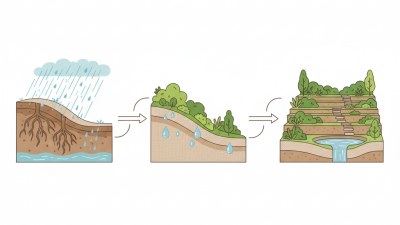
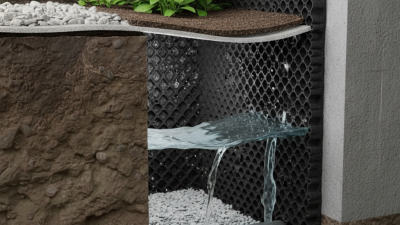
Another important feature is the ability to increase drainage. Geogrids with integrated drainage systems can reduce water accumulation. Studies indicate that these systems can lower water saturation levels by up to 30%. This is vital in preventing erosion and maintaining the integrity of the gravel layer.
Additionally, compatibility with various soil types is essential. A geogrid that performs well in sandy soil may not be as effective in clay. Data suggests that a versatile geogrid can adapt to different soil conditions, improving its effectiveness across diverse applications. Buyers should reflect on their specific needs, as the best choice may vary based on site conditions and expected traffic loads. These considerations highlight the complexity that exists in selecting the right gravel geogrid solution for specific construction requirements.
2026 Best Gravel Geogrid Solutions for Global Buyers - Key Features to Look for in Gravel Geogrids
| Material Type |
Tensile Strength (kN/m) |
UV Resistance |
Permeability (m/s) |
Roll Width (m) |
Application Area |
| Polyester |
50 |
Yes |
1.0 x 10^-5 |
3.9 |
Roads, Railways |
| Polypropylene |
70 |
Yes |
1.5 x 10^-5 |
4.0 |
Landfills, Dams |
| Biaxial |
55 |
No |
2.0 x 10^-5 |
2.5 |
Pavement Reinforcement |
| Uniaxial |
90 |
Yes |
1.2 x 10^-5 |
5.0 |
Slope Stabilization |
Global Market Trends for Gravel Geogrids in 2026
The global market for gravel geogrids is evolving. In 2026, the demand is set to increase due to infrastructure needs. Various industries, including construction and agriculture, seek robust solutions. Enhanced durability and cost-effectiveness are crucial factors for buyers.
Market trends point to a rising interest in sustainable materials. Eco-friendly options in gravel geogrids are gaining traction. This shift reflects a broader commitment to environmental responsibility. Innovative designs that integrate recycled materials are promising. Yet, challenges remain. Not all eco-friendly solutions meet the performance standards expected by consumers.
Tips for potential buyers: evaluate your specific project requirements before making a decision. Measurements, load-bearing capacities, and installation practices matter greatly. Consulting industry experts can provide valuable insights. Balancing cost and sustainability ensures a successful investment. As you venture into purchasing gravel geogrids in 2026, stay informed on the latest trends and technologies.
Top Manufacturers and Their Innovations in Gravel Geogrids
In the evolving landscape of construction and civil engineering, gravel geogrids are becoming essential. These materials play a crucial role in enhancing the stability and longevity of various structures. Numerous manufacturers are innovating, producing geogrids that optimize strength and efficiency. Their developments focus on improving load distribution and minimizing deformation in applications like roadways and retaining walls.
Tip: Always ensure the material meets project specifications. This step is vital to avoid complications later.
Today's top manufacturers are exploring advanced polymers and innovative designs. They're creating solutions tailored to different environments, such as wet or unstable grounds. These innovations enhance durability and performance, making geogrids more efficient. However, some designs may overlook specific soil conditions, highlighting the need for thorough assessments before selection.
Tip: Conduct soil tests before implementation. This can guide your choice of geogrid and improve project outcomes.
Ultimately, understanding the nuances of different gravel geogrid types is crucial. While some solutions excel in certain conditions, others may not perform as expected. Knowing when to use specific products can save time and reduce costs. Engaging with experts in the field can also provide insights into the latest trends and technologies.
Best Practices for Selecting Gravel Geogrids for Your Project
When selecting gravel geogrids, consider several key factors to ensure your project succeeds. Begin by understanding the specific requirements of your site. Soil type, load conditions, and environmental factors can significantly influence your choice. Conduct thorough site assessments to determine these needs accurately.
Tips: Always test local soil to gauge its behavior under load. This can save time and resources later.
Another aspect to consider is the material quality. High-quality geogrids can enhance structural integrity and prolong project longevity. Evaluate the tensile strength, durability, and resistance to environmental factors such as UV exposure. Remember, choosing a lower-quality geogrid might lead to costly repairs.
Tip: Look for certifications that validate the geogrid's strength and effectiveness.
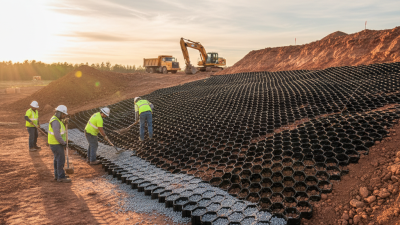
Finally, pay attention to installation methods. Proper installation is crucial to the geogrid's performance. Train your team well to avoid mistakes. Mistakes during installation can compromise the entire project.
Tip: Create a checklist for the installation process to minimize errors.