Top 10 Benefits of Gravel Geogrid for Global Purchasing Decisions?
In recent years, the use of Gravel Geogrid has become increasingly common in construction and civil engineering. This innovative material enhances the performance of gravel in a variety of applications, making it a vital consideration for global purchasing decisions. Gravel Geogrid offers numerous benefits, improving stability and reducing the need for excessive materials.
One of the practical advantages of Gravel Geogrid is its ability to distribute loads more effectively. This leads to fewer repairs and maintenance costs in the long run. Engineers and decision-makers must recognize how it can influence their projects. While its benefits are significant, there are also challenges in implementing Gravel Geogrid, such as ensuring proper installation and selecting the right type for specific applications.
By exploring the top ten benefits, this discussion will provide valuable insights for professionals seeking to make informed purchasing decisions. Understanding Gravel Geogrid can transform project outcomes, adding long-term value. However, it's essential to weigh the pros and cons carefully and consider various factors before making a decision.
Understanding Gravel Geogrid and Its Functionality
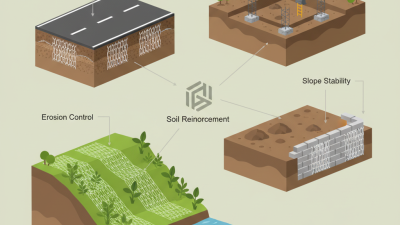
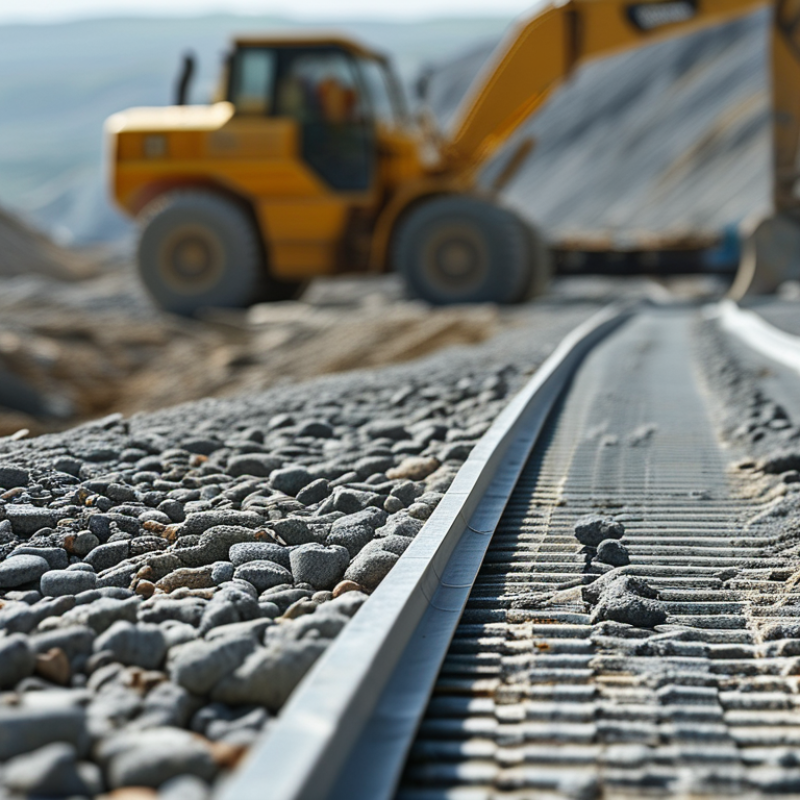
Gravel geogrid is a reinforced material used in various civil engineering and construction applications. Its functionality lies in improving stability and load distribution in soil. By integrating gravel with geogrid, the structure gains additional tensile strength. This reinforcement enhances the overall performance of pavements and retaining walls.
When gravel geogrid is installed, it creates a network that restrains soil particles. This network helps prevent displacement under load. It can lead to reduced erosion and improved drainage. However, the effectiveness of gravel geogrid can vary based on soil conditions and installation techniques. Improper installation may lead to unexpected issues.
Investigating the environmental impact of using gravel geogrid is vital. While it helps in reducing material use, its long-term sustainability should not be overlooked. Regular inspections and maintenance are necessary to ensure optimal performance. Engineers must consider these factors when making purchasing decisions about gravel geogrid.
Enhanced Load Distribution and Stability Benefits
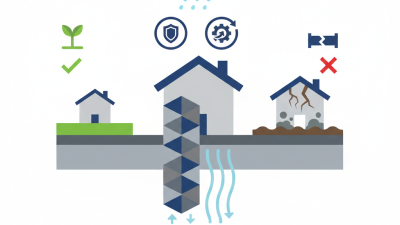
Gravel geogrids offer significant advantages in load distribution and stability for various construction projects. These materials excel in reinforcing gravel layers. According to recent industry studies, the use of geogrids can improve load-bearing capacity by up to 30%. This performance boost occurs because the geogrid helps to distribute loads evenly across the surface, reducing the risk of soil deformation and failure.
Additionally, gravel geogrids enhance lateral stability. For example, tests indicate that projects utilizing these geogrids show a 25% reduction in settlement over time compared to traditional gravel systems. This stability is particularly crucial in high-traffic areas, such as roads or parking lots, where uneven surfaces lead to increased maintenance costs.
Inspection of field applications reveals that while the initial investment in geogrid technology is higher, the long-term savings from reduced repairs are substantial. However, project managers must assess the specific environmental conditions and load requirements of their sites. The optimal performance of gravel geogrids can vary, necessitating a careful analysis before implementation.
Cost-Effectiveness of Gravel Geogrid in Infrastructure Projects
The cost-effectiveness of gravel geogrid in infrastructure projects is profound. Reports indicate that using geogrid can reduce the overall costs by up to 30%. This is primarily due to enhanced load distribution, which minimizes the need for additional material. The structural stability provided by gravel geogrids lowers maintenance expenses significantly. For instance, a study found that projects utilizing these materials experienced 40% fewer repairs over a decade.
Gravel geogrids also facilitate quicker project completions. With easy installation, projects can progress without unnecessary delays. This efficiency translates into lower labor costs and faster returns on investment. A notable report from the Geosynthetics Institute highlights that time savings can reach 15% in some applications. However, not all projects leverage these benefits effectively. Some engineers remain hesitant due to a lack of experience with geogrid technology.
Cost considerations often drive specifiers to traditional materials. It's crucial to weigh initial investment against long-term savings. While gravel geogrids may present a higher upfront cost, their durability and reduced lifecycle expenses must be taken into account. The shift from conventional materials may seem daunting, but evidence suggests that smart investment in gravel geogrids can yield substantial financial benefits over time.
Environmental Advantages of Using Gravel Geogrid Solutions
Gravel geogrids offer significant environmental advantages that merit attention from global purchasing managers. These lightweight structures enhance soil stability, reducing the need for excess materials. This efficiency often translates to lower resource consumption, helping to minimize a project's overall carbon footprint. By supporting vegetation growth, gravel geogrids also promote biodiversity. They create suitable habitats for various plant and animal species, contributing to ecological health.
Another advantage lies in their superior drainage capabilities. Gravel geogrids allow for effective water management, countering erosion and reducing runoff. This can be especially crucial in areas prone to flooding. However, it's important to note that improper installation can lead to issues like soil disintegration. Careful application and consideration of local conditions are vital for maximizing benefits.
Moreover, gravel geogrids can enhance the longevity of infrastructure. They reduce maintenance efforts in the long run, leading to lower overall costs. Yet, the adoption of this technology requires an initial investment. This factor can be challenging for some decision-makers. Balancing immediate costs with long-term gains is essential in evaluating the true environmental impact of gravel geogrids.
Impact on Long-Term Maintenance and Durability of Construction Projects
Gravel geogrid is increasingly recognized for its positive impact on construction durability. This innovative solution enhances the stability of gravel surfaces, reducing deformation over time. A reinforced surface decreases maintenance needs, leading to substantial cost savings in the long run. This aspect can be critical for project managers aiming to optimize budgets.
Moreover, the long-term benefits of using gravel geogrids extend beyond just immediate savings. They contribute to improved drainage systems, which reduces water-related issues. Proper drainage diminishes the risk of erosion and structural weaknesses. However, it is essential to assess installation practices continually. Incorrect placements can negate the potential benefits.
Sustainability is another consideration. While gravel geogrids offer durability, the materials used must be analyzed. Overuse or improper sourcing may lead to environmental concerns. On the one hand, these geogrids can reduce the need for traditional paving materials. On the other, an emphasis on lifecycle analysis is necessary. Balancing durability with environmental impact could shape future construction practices.