How to Use Concrete Cloth for Construction Projects?
Concrete Cloth has emerged as a revolutionary material in construction. This innovative fabric consists of a cement-impregnated geotextile that hardens when hydrated. According to a report by the American Concrete Institute, utilizing such materials can reduce project timeframes by up to 50%. The lightweight nature of Concrete Cloth allows for easy transportation and application in various environments.
In recent years, the construction industry has experienced a growing demand for sustainable materials. A study highlighted that using Concrete Cloth significantly cuts carbon emissions compared to traditional concrete methods. This environmentally friendly approach is appealing to project managers focused on sustainability. However, it’s essential to note that while Concrete Cloth offers rapid installation, there may be conditions where it is not suitable, such as under extreme load scenarios or specific drainage needs.
Proper application of Concrete Cloth requires expertise. Incorrect installation can lead to project failures. Certain industry professionals stress the importance of understanding the material's limitations and environmental interactions. Therefore, it's crucial for contractors to be well-informed before integrating Concrete Cloth into their projects.

Understanding Concrete Cloth: Properties and Benefits
Concrete cloth is a revolutionary material in construction. This innovative product combines the flexibility of fabric with the durability of concrete. It is lightweight, easy to handle, and offers high tensile strength. The unique design allows it to conform to various shapes and surfaces, making it perfect for diverse projects.
One notable benefit of concrete cloth is its rapid installation. It can be laid down quickly in comparison to traditional concrete methods. This speeds up construction timelines significantly. The material is water-resistant and offers impressive fire resistance, enhancing its reliability. However, it is important to ensure proper curing to achieve maximum strength. Improper installation may lead to issues in the long term.
Despite its many advantages, concrete cloth has limitations. It may not perform well under constant heavy loads. Users should assess the specific needs of their projects carefully. Understanding the properties of concrete cloth will help in making the right choice for construction needs. Effective application and proper maintenance are essential to harness its full potential.
Preparation: Tools and Materials Needed for Installation
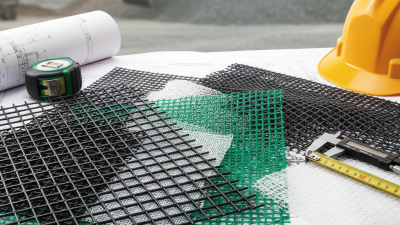
When preparing for construction projects using concrete cloth, having the right tools and materials is essential. Concrete cloth is a flexible, cement-impregnated fabric. To install it effectively, you will need tools such as a utility knife, staple gun, and a heavy-duty pair of gloves. Safety equipment is also crucial; goggles and a mask help protect against dust and debris.
Data from the Concrete Reinforcing Steel Institute shows that using concrete cloth can reduce installation time by 30%. This efficiency is beneficial for large-scale projects. Additionally, proper surface preparation is critical. Ensure the ground is free of debris and properly graded. This step can prevent future complications and enhance durability.
Tip: Always perform a small test patch to gauge adhesion and wrapping. This can save time and resources in the long run. Remember, it’s essential to handle concrete cloth carefully. Improper handling may lead to tears, which can compromise its effectiveness. Solutions or backup materials can be considered for emergency repairs during installation.
Step-by-Step Installation Process of Concrete Cloth
Concrete cloth is a versatile material for various construction projects. Its installation process may seem straightforward, but several key steps ensure a successful outcome. To begin with, prepare the ground surface by clearing debris and vegetation. This will facilitate better adhesion of the concrete cloth.
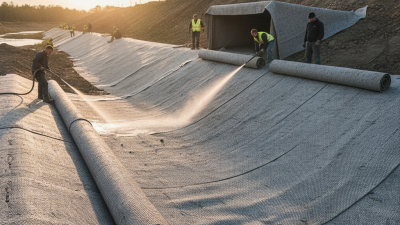
Next, roll out the concrete cloth over the prepared area. It's essential to ensure that the cloth overlaps by at least 10 centimeters for a more solid bond. Use a cutter to trim the cloth for precise fitting around edges and corners. Water activation is crucial; spray water on the cloth until it becomes pliable. Rely on the environment for optimal conditions—too dry may lead to cracking, while too wet can hinder proper setting.
Tips for effective installation: Always wear protective gear while handling concrete cloth. Cut carefully to avoid waste. Ensure proper drainage around the installation to prevent water pooling, which may weaken the integrity of the material. Keep in mind that uneven surfaces may lead to imperfections in the final look, so aim for a flat base. Reflect on how initial assessments impact the durability of your project. Planning ahead can save time and resources during later stages.
Best Practices for Cutting and Joining Concrete Cloth
When working with concrete cloth, cutting and joining techniques are crucial. The material is flexible yet durable, ideal for various construction applications. Use a sharp utility knife for clean cuts. Score the cloth multiple times to ensure a precise separation. For smoother edges, consider using heavy-duty scissors or a rotary cutter. A neat edge promotes better connections and aesthetics in your project.
Joining pieces requires some attention to detail. Overlap the edges by at least six inches for strength. This overlap will help prevent any water infiltration or structural weakness. Apply a specialized adhesive suitable for concrete cloth at the overlap. Ensure even pressure is applied to create a strong bond. Use weights or clamps to secure the sections during curing. While this process appears straightforward, misalignment can happen. Taking time to double-check placements can save headaches later.
Practicing these techniques will lead to improved outcomes. However, issues like uneven cuts or misaligned joins can happen to even experienced practitioners. Recognizing these challenges is important. Each project offers an opportunity to learn and adjust methods. Embrace these moments for better precision in future efforts.
Applications of Concrete Cloth in Various Construction Projects
Concrete cloth is increasingly popular in various construction projects due to its versatility and durability. It combines the flexibility of traditional fabric with the strength of concrete. This innovative material is ideal for applications in erosion control, soil stabilization, and even protective barriers.
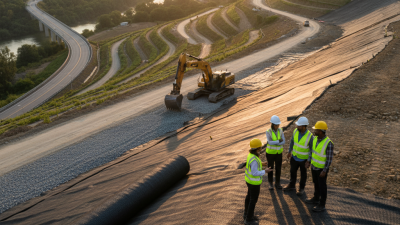
For erosion control, concrete cloth can be laid down in areas prone to soil erosion. It effectively withstands water flow and protects the underlying soil. The material conforms to the terrain, making it easier to install in irregular landscapes.
**Tips:** When using concrete cloth, ensure the surface is clean and free of debris. Pre-soaking the fabric before installation can help it bond better with the underlying material.
Another application is in landscaping. It can be used to create decorative features or functional installations, such as retaining walls. This approach offers a unique aesthetic, blending natural and man-made elements. However, always consider the weight of concrete cloth; it may require additional support in specific projects.
**Tips:** Assess the site conditions carefully before installation. Be prepared to adjust your methods as necessary to accommodate unexpected challenges.
Applications of Concrete Cloth in Various Construction Projects