Top Geotextile Coir Benefits for Global Buyers?
Geotextile Coir has emerged as a vital material in the global construction and agricultural industries. Its natural properties offer significant benefits for soil stabilization, vegetation support, and erosion control. According to a recent report by the International Geosynthetic Society, the use of Geotextile Coir can reduce soil erosion by up to 85%. This statistic underscores the material's effectiveness and sustainability.
Expert in the field, Dr. Emily Chen, emphasizes the growing importance of Geotextile Coir, stating, “Investing in Geotextile Coir is investing in sustainable practices.” As global buyers seek environmentally friendly solutions, the demand for Geotextile Coir continues to rise. This trend presents an opportunity and a challenge for stakeholders to adapt and innovate.
Despite the advantages, not all applications yield the expected results. Buyers must evaluate factors like climate and soil type. Understanding these elements is essential for maximizing the benefits of Geotextile Coir. Continuous research and feedback from the field will guide improvements and adaptations in its application, ensuring its effectiveness in diverse environments.
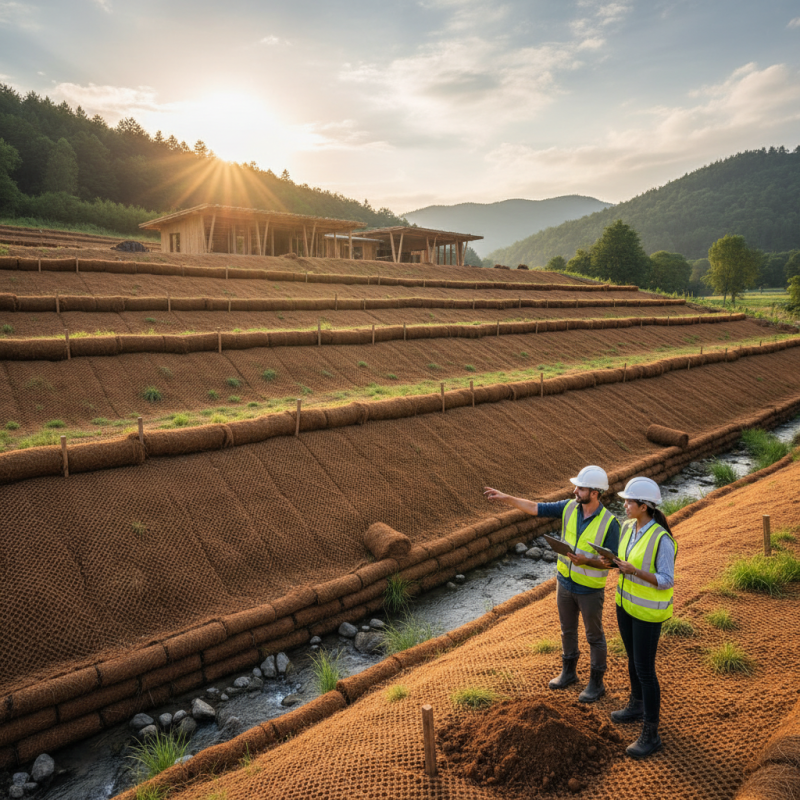
Top Geotextile Coir Benefits for Global Buyers
Geotextile coir has gained recognition for its many advantages in various applications. This biodegradable material is derived from coconut husks. It provides excellent erosion control, particularly in tropical regions. Coir matting can stabilize soil and prevent runoff. This makes it invaluable for land reclamation and landscaping projects.
Another remarkable aspect of coir geotextiles is their water retention capability. They improve moisture levels in the soil. This is particularly beneficial in arid areas where water is scarce. The porous structure allows for aeration, promoting healthy root growth. However, challenges arise regarding maintenance. Coir can deteriorate under harsh environmental conditions, affecting its longevity.
Moreover, coir geotextiles are environmentally friendly. They contribute to sustainable practices by using natural materials. However, buyers must assess the sourcing of coir. Ethical practices in harvesting are essential for sustainability. Potential buyers should research these issues before making decisions. The balance between benefits and sourcing clarity can impact project outcomes significantly.
Understanding Geotextiles: An Overview of Coir Materials
Geotextiles made from coir fibers offer numerous benefits, particularly for global buyers seeking sustainable solutions. Coir, derived from coconut husks, is biodegradable and environmentally friendly. According to industry reports, the global geotextile market is projected to grow by 12% annually, driven by increased demand for eco-friendly materials in construction.
A recent study highlights the effectiveness of coir geotextiles in soil erosion control. They can effectively reduce soil loss by up to 90%. This is crucial for regions facing severe erosion challenges. Coir's high water retention capacity also helps improve soil moisture, promoting plant growth and reducing irrigation needs.
Tip: When selecting coir geotextiles, consider the specific soil type and environmental conditions. Proper evaluation can enhance performance and sustainability. The natural resistance of coir to decay allows for effective use in various climatic conditions, making it a versatile choice.
While coir geotextiles are efficient, challenges persist. Quality can vary based on sourcing and processing methods. Not all coir products meet the same standards, which could impact their effectiveness. Buyers must conduct thorough due diligence to ensure reliability.
Tip: Look for certifications or test reports that validate product quality. These can provide assurance in your purchasing decisions. Understanding the nuances of coir materials can ultimately lead to more effective use in geotechnical applications.
Top Geotextile Coir Benefits for Global Buyers
| Benefit |
Description |
Application Areas |
| Eco-Friendly |
Made from natural coir fiber, biodegradable and sustainable. |
Landscaping, Erosion Control |
| Durability |
Resistant to degradation from sunlight, heat, and moisture. |
Road construction, Civil engineering |
| Natural Water Drainage |
Allows water to flow while preventing soil erosion. |
Agriculture, Retaining wall projects |
| Cost-Effective |
Competitive pricing compared to synthetic geotextiles. |
Construction projects, Infrastructure development |
| Soil Stabilization |
Helps in maintaining soil structure and promotes vegetation growth. |
Highways, Railway embankments |
Advantages of Coir in Soil Erosion Control
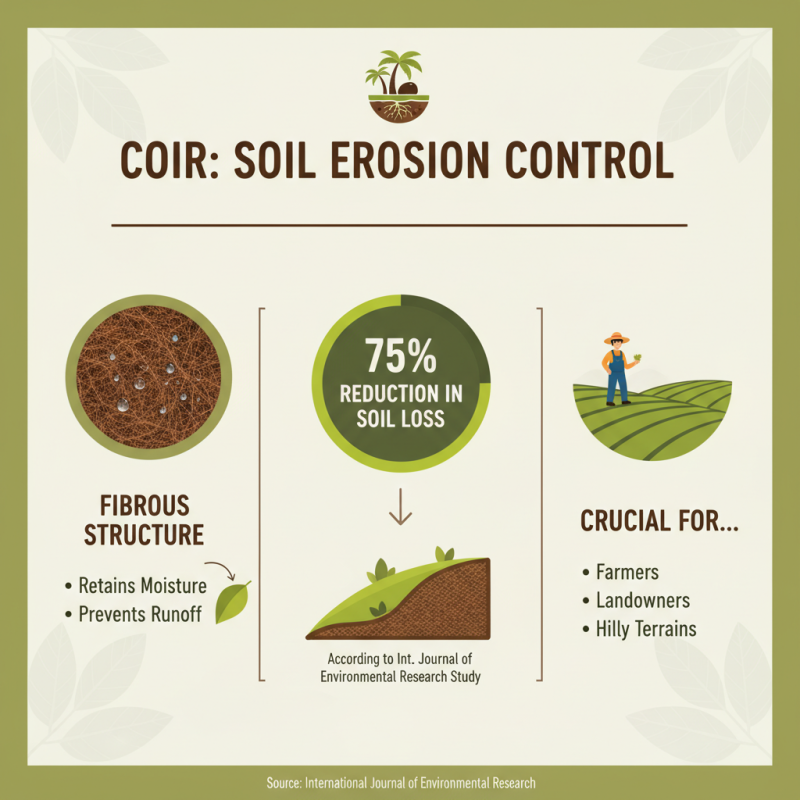
Coir, derived from coconut husks, offers vital benefits in soil erosion control. Its fibrous structure helps retain soil moisture and prevent surface runoff. According to a study by the International Journal of Environmental Research, coir can reduce soil loss by up to 75%. This significant reduction is crucial for farmers and landowners, especially in hilly terrains.
Moreover, coir's natural biodegradability ensures that it will not harm the environment. Unlike synthetic alternatives, coir breaks down over time, enriching the soil as it decomposes. The Natural Resources Conservation Service notes that coir is effective for at least two to three years in erosion control, providing a sustainable option for land protection. However, sourcing coir sustainably remains a challenge.
While coir holds great promise, it is not without issues. Farmers may find inconsistent quality in coir products, leading to variable results in erosion control. Understanding the local environment and coir’s limitations is vital. Reliable data on its effectiveness can sometimes be hard to come by. Despite these challenges, the use of coir in erosion control remains a powerful ally for maintaining soil integrity globally.
Eco-Friendly Features of Coir Geotextiles for Sustainable Practices
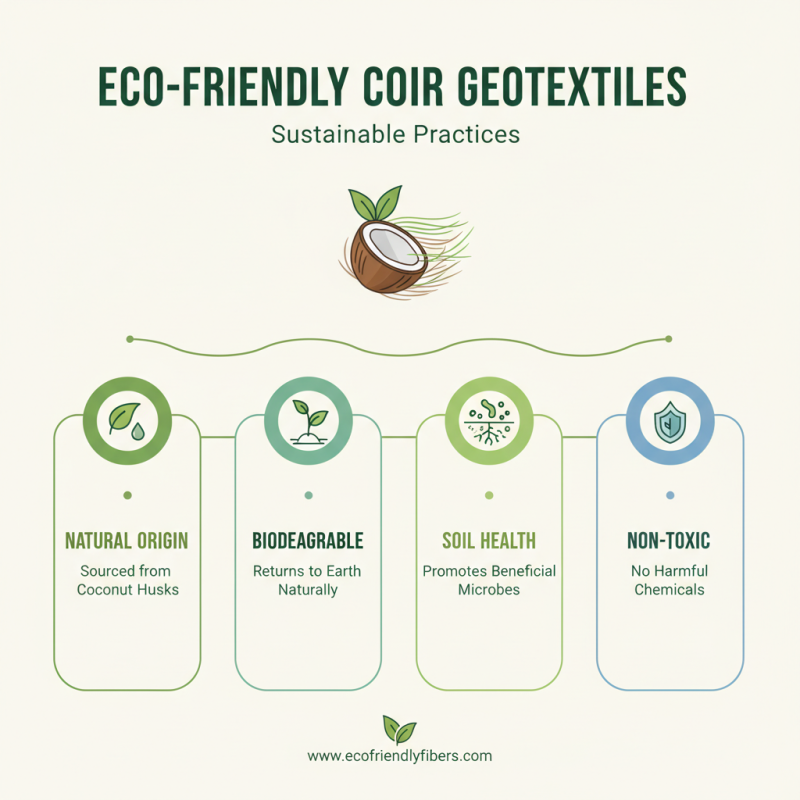
Coir geotextiles offer significant eco-friendly advantages for sustainable practices. Sourced from coconut husks, coir fibers are biodegradable, contributing to environmental harmony. This natural origin promotes soil health by allowing beneficial microorganisms to thrive. Unlike synthetic materials, coir does not leach harmful chemicals into the soil. This ensures a safer ecosystem for plants and wildlife.
Additionally, coir geotextiles excel in moisture retention. They can hold water well, reducing the need for excessive irrigation. This feature is especially beneficial in arid regions, where water scarcity is a concern. Moreover, the fibrous structure aids in erosion control, preventing soil loss during heavy rains. These attributes make coir a practical choice for sustainable landscaping projects and construction sites.
However, using coir might not be perfect. Variability in fiber quality can be a challenge. Some batches may contain impurities or inconsistent strength. Buyers should consider conducting tests before large-scale applications. It's crucial to ensure that the chosen coir meets specific project requirements. Balancing the benefits of coir with its limitations will lead to better decision-making in sustainable practices.
Cost-Effectiveness of Coir Geotextiles for International Markets
Coir geotextiles are gaining traction in global markets due to their cost-effectiveness. A recent industry report highlights that the global geotextile market is expected to reach $11.27 billion by 2027, with natural fibers like coir playing a significant role. Coir geotextiles are biodegradable and provide excellent soil stabilization, making them a sustainable choice. They are effective in erosion control, flood management, and landscaping. The demand for sustainable products is driving their adoption.
Investing in coir geotextiles can significantly reduce project costs. According to studies, these materials can lower installation and maintenance expenses compared to synthetic options by up to 30%. They provide long-lasting benefits, requiring fewer replacements. Coir also retains moisture and improves soil aeration, enhancing plant growth. This quality can lead to better returns for agricultural projects.
Tip: When considering coir geotextiles, evaluate their lifespan under specific conditions. Not all coir products perform equally. It’s vital to test their effectiveness in your region's climate.
Some challenges exist. Coir quality can vary based on sourcing and processing techniques. Ensure you seek reliable suppliers. Additionally, while coir is durable, it may not be suitable for all applications, particularly in high-stress environments. Always analyze your project needs before deciding.
Conclusion
Geotextile Coir has emerged as a vital material for global buyers seeking sustainable and effective solutions in various industries. This natural fiber, derived from coconut husks, offers numerous benefits, particularly in soil erosion control, due to its impressive ability to stabilize and protect soil surfaces. The eco-friendly features of Geotextile Coir align with sustainable practices, promoting environmental health and conservation.
Moreover, the cost-effectiveness of Geotextile Coir makes it an attractive choice for international markets. Its versatility allows for wide applications, from agriculture to construction, enhancing both performance and environmental stewardship. As global buyers increasingly prioritize sustainability, Geotextile Coir presents a compelling option that addresses both ecological concerns and practical needs.