What is Film Geotextile and Why is it Essential for Projects?
Film Geotextile is a crucial component in modern construction and civil engineering projects. It acts as a barrier, allowing for effective drainage while preventing soil erosion. This unique fabric can enhance project longevity, making it a vital asset in various applications. Its effectiveness reflects years of research and development.
Many experts agree on the importance of Film Geotextile. However, some projects may overlook its benefits. Using this material can significantly improve site conditions and overall project performance. Over time, its reliability has been proven across numerous case studies and practical applications.
Yet, challenges exist. Not all engineers fully understand its installation requirements. Proper application is key to maximizing its advantages. Missteps can lead to costly delays or failures. Therefore, it’s essential to approach Film Geotextile with a mindset of continuous learning and improvement. Quality matters in any project, and Film Geotextile stands out as a trusted choice for professionals in the field.
Definition and Composition of Film Geotextile
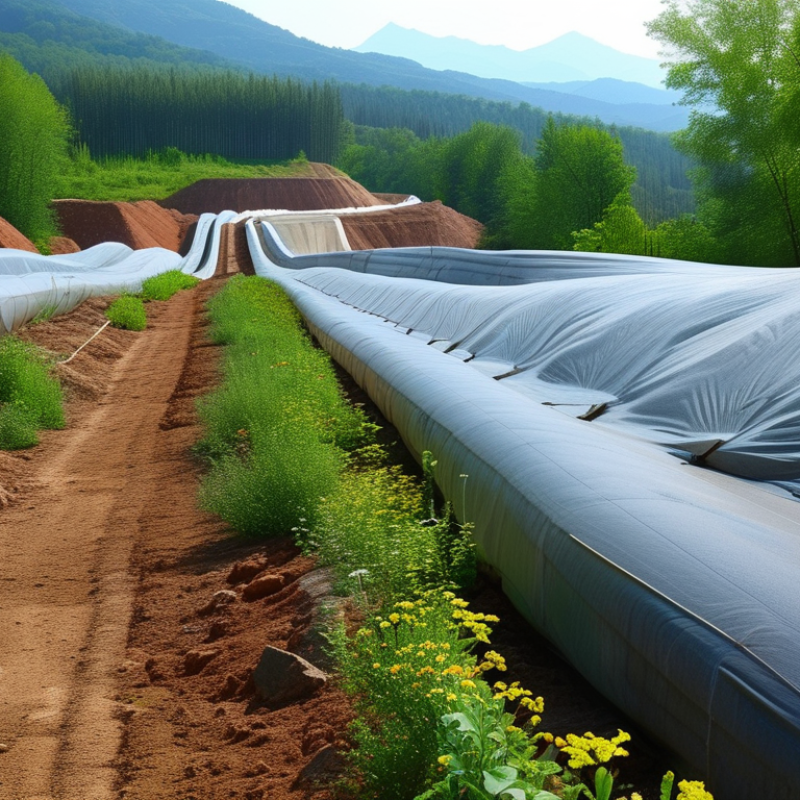
Film geotextile is a critical material in various engineering and construction projects. It consists of a thin plastic film, typically made from polymers like polyethylene or polypropylene. This composition gives it strength and durability. Film geotextiles are often used in applications such as drainage systems, erosion control, and soil stabilization.
The unique properties of film geotextiles contribute to their effectiveness. They are effective barriers that prevent the loss of soil while allowing water to flow through. This can be crucial in preventing soil erosion on construction sites or in landscaping. The lightweight nature of these products makes them easy to transport and install. However, their thinness can also make them susceptible to punctures or damage during installation.
Despite their advantages, film geotextiles require careful consideration. Choosing the right type for a specific project is essential to ensure optimal performance. Project managers need to assess environmental conditions and site requirements. Sometimes, the film can degrade under UV exposure if not adequately protected. This can lead to unexpected failures down the line. Understanding the limitations of film geotextiles is as vital as recognizing their strengths.
What is Film Geotextile and Why is it Essential for Projects? - Definition and Composition of Film Geotextile
| Property |
Description |
| Material Composition |
Typically made from polyethylene, polypropylene, or polyvinyl chloride (PVC). |
| Functionality |
Acts as a barrier to protect soil, control erosion, and manage water flow. |
| Applications |
Used in civil engineering, landscaping, and construction projects for soil stabilization. |
| Durability |
Resistant to chemical degradation and UV radiation for long-term performance. |
| Environmental Impact |
Generally considered eco-friendly; recyclable and minimizes soil disturbance. |
| Installation Method |
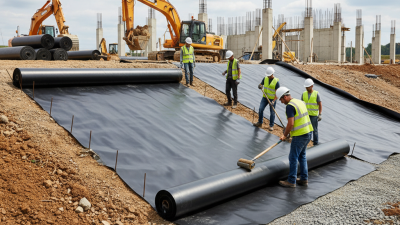
Can be installed easily by unrolling the fabric over the required area. |
Key Functions and Properties of Film Geotextile
Film geotextile plays a crucial role in various civil engineering and construction projects. Two key functions of film geotextile include water management and soil stabilization. It serves as a barrier to prevent water and other contaminants from penetrating the soil layer. According to a 2022 industry report, projects using film geotextile can reduce soil erosion by up to 30%. This reduction leads to significant savings in environmental remediation costs.
The properties of film geotextile enhance its effectiveness. It is lightweight, easy to handle, and exhibits excellent resistance to chemical deterioration. Additionally, its permeability allows water to pass through while filtering out particles. A study published in the Journal of Geotechnical Engineering indicated that using film geotextile increases the longevity of subgrade layers in road construction. This durability is vital for infrastructure projects aiming for long-term performance.
Tip: When selecting film geotextile, ensure it meets specific project requirements. Keep in mind that performance can vary based on material thickness and fabric type. You might want to conduct some field tests to understand its behavior in local soil conditions, as lab results may not always reflect real-world performance. It’s essential to remain critical of material choices to avoid unexpected project delays.
Key Functions and Properties of Film Geotextile
Applications of Film Geotextile in Various Projects
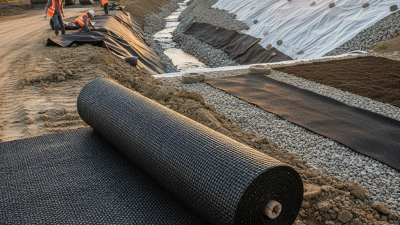
Film geotextile is a versatile material widely used in construction and environmental projects. Its primary function is to provide effective separation, filtration, and drainage. In road construction, film geotextile helps prevent soil mixing with aggregates, ensuring long-lasting durability. This material assists in managing water flow, which is crucial for maintaining roads and preventing erosion.
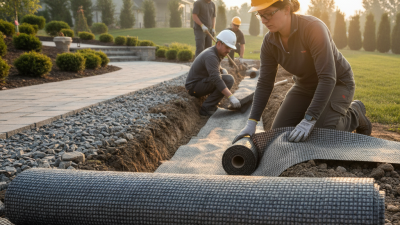
In landscaping, film geotextile offers stability to soil layers while allowing essential water movement. It is ideal for controlling weed growth in gardens without harming the environment. The use of film geotextile in landfills aids in waste management by preventing landfill leachate from contaminating surrounding areas.
Tips: When using film geotextile, ensure proper installation for maximum effectiveness. Regular inspection is also essential to identify any potential issues early. Additionally, consider local climate conditions as they influence the material’s performance. Adjustments might be needed based on weather factors.
Advantages of Using Film Geotextile in Construction
Film geotextile plays a significant role in construction. It offers a variety of advantages that enhance project outcomes. One major benefit is its ability to prevent soil erosion. This fabric acts as a barrier, allowing water to flow while keeping soil particles in place. Projects near water bodies greatly benefit from this feature.
Another advantage is its durability. Film geotextiles resist degradation from UV rays and moisture. This ensures long-term stability and reliability for construction sites. They are easy to install and can adapt to various terrains. Contractors appreciate this ease of use, saving time and costs.
However, the effectiveness of film geotextile depends on proper installation. Misalignment or poor choice of materials can hinder its benefits. Projects must consider local soil conditions to select the right type. While film geotextile is valuable, its use requires diligence. Overall, it remains a crucial component in modern construction practices.
Challenges and Considerations in Film Geotextile Implementation
Implementing film geotextile in construction projects presents multiple challenges. The selection of appropriate materials is critical. Different project sites may require specific types of geotextiles to meet performance standards. A report by Geosynthetics International suggests that using the wrong type can lead to failures in soil retention and drainage. This misstep often results in increased project costs and delays.
Another consideration is the environmental impact. Manufacturers must ensure their products comply with environmental regulations. Often, this requires extensive testing and validation. According to a study by the International Geosynthetics Society, around 30% of projects faced delays due to regulatory approvals related to geotextile materials. This can be frustrating for project managers.
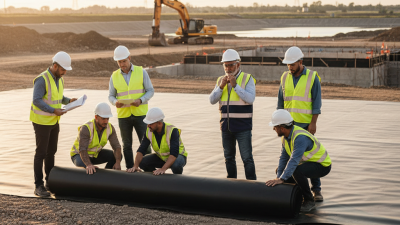
Labor skill levels also play a part. Workers need proper training to install geotextiles correctly. An inadequately trained team may cause improper installation, reducing the effectiveness of these materials. Reflecting on these challenges, it becomes evident that while film geotextiles are essential, they come with hurdles that require careful planning and execution. Each project must address these intricacies for successful integration.