10 Essential Tips for Choosing the Right Drainage Board?
Choosing the right drainage board is crucial for effective water management. The right board can prevent flooding and protect your property from water damage. However, selecting the ideal drainage board isn't straightforward. Various factors come into play, including materials, design, and installation.
Consider the specific needs of your property. Not all drainage boards are created equal. Some may focus only on surface water, while others handle subsurface drainage efficiently. Pay attention to the material's durability. A high-quality drainage board can offer lasting performance. You’ll encounter choices ranging from plastic to geotextile options. Each type brings its own set of benefits and challenges.
It's important to consult with professionals who understand local climate conditions. They can provide insights into which drainage board would work best for your region. Consider your long-term plans as well. Sometimes, investing in a more robust drainage system can save money over time. Reflect on your goals, and ensure you choose wisely. Making an informed choice is the key to effective drainage solutions.
Understanding the Functionality of Drainage Boards
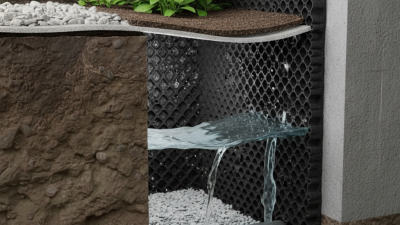
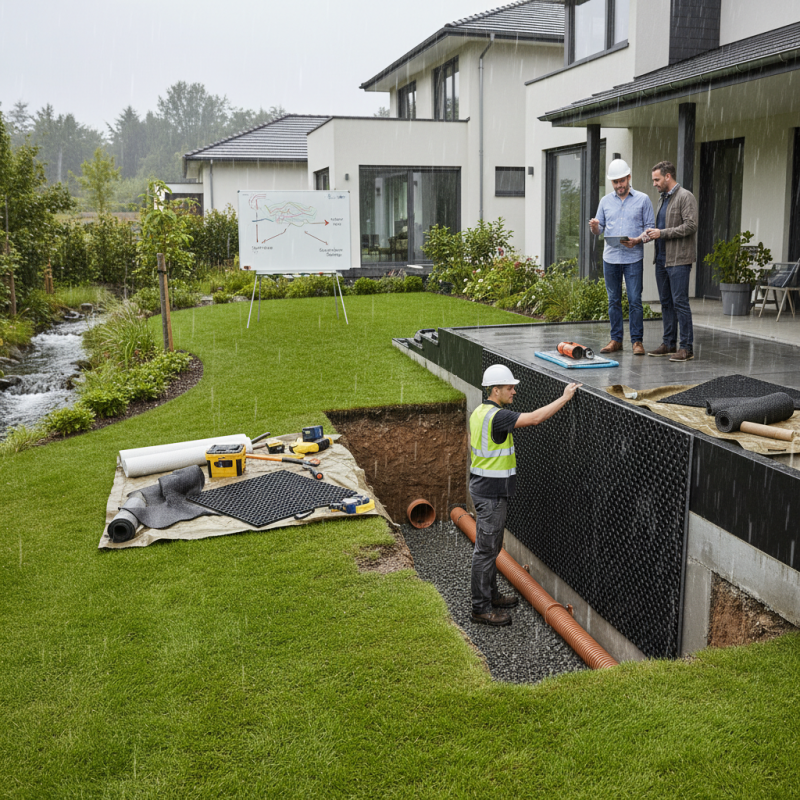
Drainage boards play a crucial role in managing water effectively. They are designed to channel excess water away from crucial areas, preventing flooding and water damage. Choosing the right drainage board means understanding how these systems function in your specific environment. Different regions have varying rainfall levels. This factor directly influences the type of drainage solution you need.
The material of the drainage board matters. Some boards are made from recycled plastics, while others use natural material. Each option has its advantages and disadvantages. Plastic boards are durable but can degrade over time. Natural boards blend well with the landscape but may require more maintenance. Consider the lifespan and maintenance when selecting your drainage system.
Another factor to consider is the installation process. Some boards are easier to install than others. If you choose a complicated design, you may need professional help. This can increase your overall costs. Understand the layout of your land, too. Ensure the drainage board fits the unique contours of your property. Reflect on your specific needs and evaluate how each system aligns with your goals.
Identifying the Different Types of Drainage Boards Available
When choosing a drainage board, understanding the types available is crucial. Drainage boards come in various materials and designs. Some common types include polyethylene, polypropylene, and cement-based boards. Each type serves different soil and environmental conditions. For example, polyethylene boards are lightweight and resistant to chemicals, making them a popular choice in urban areas.
According to the American Society of Civil Engineers, effective drainage systems can reduce flooding by 30% in susceptible regions. However, many users overlook the importance of soil interaction with the drainage board materials. This oversight can lead to ineffective drainage and increased costs over time. The right choice should consider local climate, soil type, and potential water flow patterns.
Not every drainage board is suitable for every situation. It's essential to balance cost and performance. Some boards may offer short-term savings but fail in the long run, leading to costly repairs. Consulting with experts in hydrology and soil science can provide valuable insights. Always remember that a well-designed drainage system is an investment in property longevity. The right information can enhance decision-making, but it can be easy to overlook subtle details.
10 Essential Tips for Choosing the Right Drainage Board
| Tip |
Description |
Types of Drainage Boards |
Applications |
| 1. Identify Project Needs |
Assess the scope and requirements of your drainage project. |
Perforated, Non-perforated |
Residential, Commercial |
| 2. Consider Material |
Evaluate the durability and flexibility of materials used in boards. |
Plastic, Composite |
Landscaping, Construction |
| 3. Analyze Local Conditions |
Understand the drainage patterns and soil types in your area. |
Geo-textile, Concrete |
Agricultural, Urban |
| 4. Evaluate Slope |
Consider the slope of the terrain for effective drainage. |
Sloped, Level |
Foundation Drainage, Roadways |
| 5. Look for Compatibility |
Ensure the drainage board works well with other systems. |
Modular, Custom-fit |
Stormwater Management |
| 6. Assess Cost |
Determine your budget and compare pricing. |
Standard, Premium |
Residential, Institutional |
| 7. Check Local Regulations |
Be aware of local codes and compliance requirements. |
Regulatory-approved types |
Commercial developments |
| 8. Seek Expert Advice |
Consult with professionals for tailored solutions. |
Engineered systems |
Complex projects |
| 9. Review Maintenance Needs |
Consider how often and what type of maintenance is required. |
Low-maintenance options |
Long-term installations |
| 10. Plan for Future Needs |
Think about potential changes in usage or expansion. |
Expandable systems |
Growing communities |
Evaluating Material Quality for Long-lasting Performance
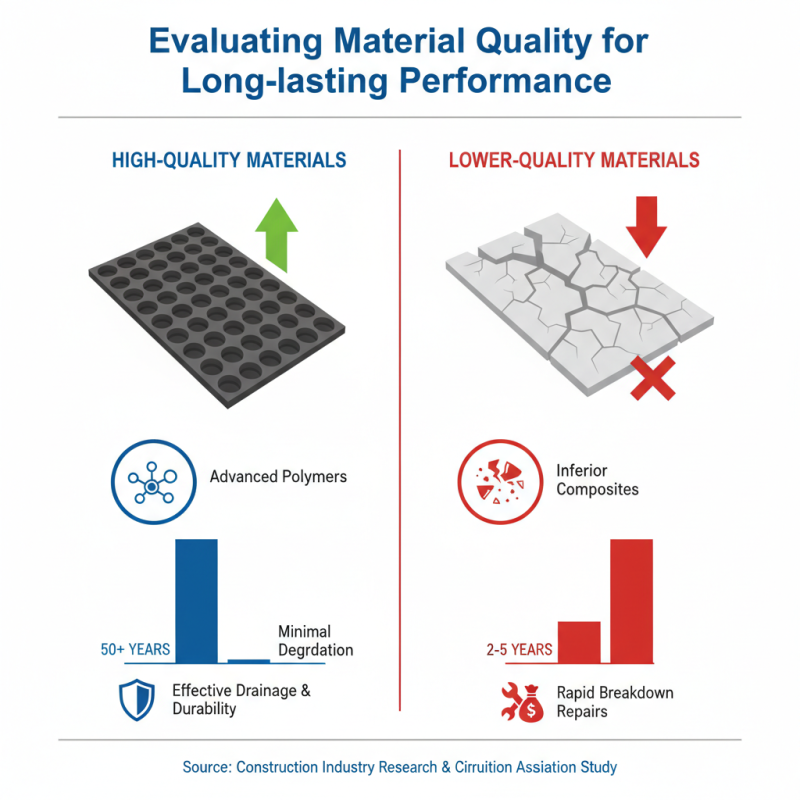
When selecting a drainage board, understanding material quality is crucial for durability. High-quality materials ensure effective drainage and longevity. According to a recent study from the Construction Industry Research and Information Association, boards made from advanced polymers can last up to 50 years with minimal degradation. In contrast, lower-quality materials may break down in just a few years, leading to costly repairs.
One essential tip is to evaluate the board's resistance to UV radiation. Boards exposed to sunlight should withstand degradation for extended periods. Look for products that have undergone rigorous testing as per industry standards. Some boards offer excellent drainage but might fail under physical stress. Seek materials with a balanced blend of strength and flexibility.
Another tip involves examining the board's permeability. High permeability allows water to drain effectively, preventing soil erosion. According to the American Society of Civil Engineers, boards with a permeability rating above 10-5 m/s are optimal. But beware: some boards may claim high ratings without proper certification. Always verify performance data before making a purchase.
Assessing Installation Requirements and Techniques
When assessing installation requirements for a drainage board, start by examining the location. The area should have minimal grade to ensure proper drainage. Check the soil conditions too. Compact soils can inhibit drainage, leading to potential water accumulation.
Darer factors, such as vegetation or nearby structures, can affect the board's performance. Assessing these environmental elements is crucial. You may find roots or debris obstructing water flow. If this happens, extra steps in preparation will be necessary. Ignoring these details might lead to installation failures.
Techniques vary significantly. Some boards require special adhesives or fasteners for a secure fit. Understanding the right methods is vital. For some, using a layer of gravel under the board enhances drainage efficiency. Others might not need this addition, which highlights the importance of site-specific evaluation. Skipping these assessments can lead to costly mistakes in drainage solutions.
10 Essential Tips for Choosing the Right Drainage Board
Considering Cost-Effectiveness and Warranty Options
Choosing the right drainage board is critical for your project. Cost-effectiveness plays a significant role in this decision. According to industry reports, effective drainage systems can reduce repair costs by up to 30%. This statistic highlights the importance of investing wisely in quality materials.
Warranties can be a great indicator of product reliability. A longer warranty often reflects manufacturing confidence. In many cases, boards with warranties of 10 years or more tend to perform better over time. However, not all products that claim to be durable are genuinely reliable. Research shows that 25% of users faced issues with their drainage systems within the first few years. It's crucial to evaluate warranty terms carefully.
Pricey options aren’t always the best. Some mid-range boards provide similar performance metrics at a lower cost. In a survey by industry experts, 70% of installers preferred cost-effective solutions over high-end options. They found that while cheaper boards might save upfront costs, the potential for damage increases over time. Reflection on these factors helps in making an informed decision.