How to Effectively Use Geotextiles in Construction Projects?
In the ever-evolving field of construction, the "Geotextile Use" plays a pivotal role. Industry expert Dr. Laura Simmons states, “Proper geotextile use can dramatically improve soil stability and drainage.” Her insights reflect a growing recognition of geotextiles' significance in modern engineering projects.
Geotextiles serve as a unique solution for various challenges. They enhance soil behavior and, importantly, protect against erosion. The need for high-quality materials is essential. However, improper installation can nullify their benefits. Essential training and expertise in geotextile use are crucial for successful application.
Understanding the characteristics of different geotextiles can be complex. There is no one-size-fits-all solution. Evaluating specific project requirements is vital. Moreover, ongoing research and feedback from previous projects can guide future applications. Engaging with seasoned professionals helps navigate these complexities effectively.
Understanding the Role of Geotextiles in Modern Construction Practices
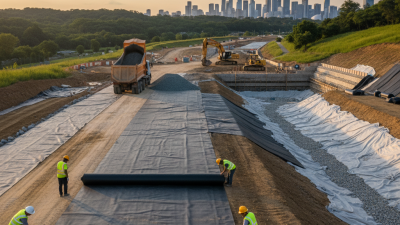
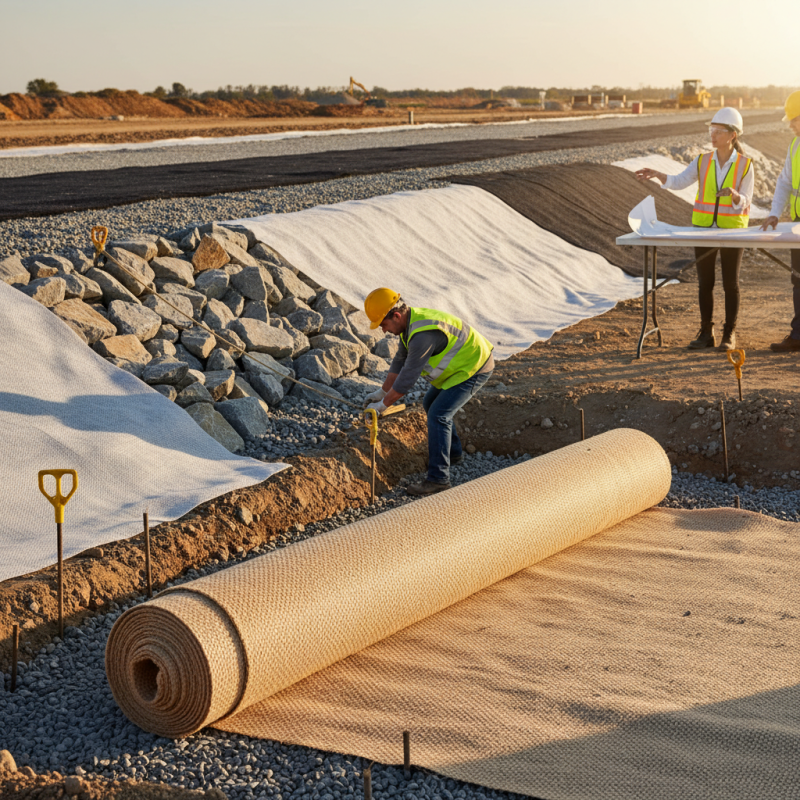
Geotextiles play a vital role in modern construction practices. These materials help improve soil stability and drainage, making them essential for various projects. When used correctly, geotextiles can significantly enhance the effectiveness of road constructions and foundations. Their ability to separate, filter, and reinforce makes them invaluable in muddy or unstable conditions.
In urban development, geotextiles are often overlooked. Yet, they work efficiently to prevent erosion and manage water flow. Engineers must consider placement carefully to avoid issues like blockage or surface pooling. The flexibility of geotextiles allows them to adapt to different environments. However, improper installation can lead to failures in structures, requiring a return to the planning phase.
Using geotextiles effectively demands expertise. Professionals must evaluate site conditions, material types, and project requirements. Each project poses unique challenges, and critical thinking is essential. Some builders may rush this evaluation, leading to suboptimal outcomes. Awareness and training can help mitigate such risks, ensuring a smoother integration of geotextiles in construction.
Types of Geotextiles and Their Specific Applications in Construction
Geotextiles come in various types, each serving specific functions in construction projects. They primarily fall into two categories:
woven and
non-woven geotextiles.
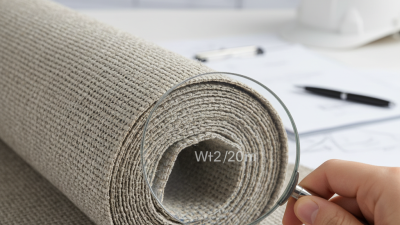
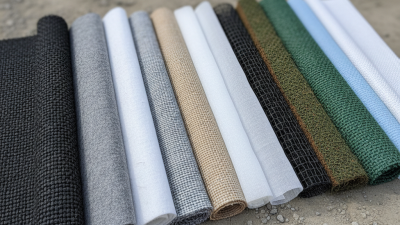
Woven geotextiles, made from intersecting yarns, are known for high tensile strength, making them ideal for soil stabilization.
Non-woven geotextiles, produced through bonding fibers, excel in filtration and separation applications, especially in drainage structures.
According to the Geosynthetic Materials Association, the use of geotextiles can increase project efficiency by up to 30%.
Tips: Assess soil conditions to determine the right type of geotextile. This ensures optimal performance and reduces potential failures.
Geotextiles also provide critical functions like erosion control and reinforcing soft ground.
For projects near rivers or lakes, using geotextiles can mitigate sediment loss and protect infrastructure.
The American Society of Civil Engineers reports that incorporating geotextiles can extend the lifespan of roads and pavements by nearly 50%.
However, it's essential to evaluate environmental impacts and application guidelines thoroughly.
Tips: Always consult professional guidelines for installation methods. Proper installation is vital for achieving desired outcomes.
Key Benefits of Using Geotextiles for Soil Stabilization and Erosion Control
Geotextiles play a vital role in construction projects, especially for soil stabilization and erosion control. Their main benefits include enhanced soil strength and improved drainage. When placed in the soil layers, geotextiles help distribute loads evenly. This reduces the risk of soil saturation and structural failure. Without proper design, however, these benefits may not be fully realized.
Using geotextiles can significantly mitigate erosion on slopes. They serve as a barrier, preventing soil loss during heavy rains. This is crucial in protecting adjacent areas and maintaining project integrity. With various types of geotextiles available, selecting the right one can be challenging. Inappropriate choices may lead to ineffective results, such as reduced water filtration or increased instability.
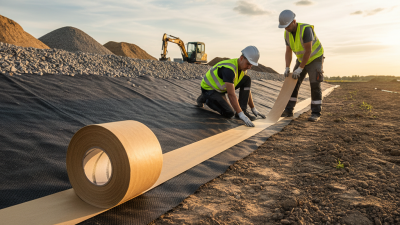
Proper installation is key to maximizing their potential. Even minor oversights can undermine the effectiveness of geotextiles. For example, incorrect overlap or inadequate anchoring can lead to failure over time. It’s essential to evaluate site conditions thoroughly, ensuring the selected geotextile aligns with project needs. Attention to detail can make a significant difference in outcome.
Effectiveness of Geotextiles in Erosion Control and Soil Stabilization
Industry Standards and Testing Methods for Geotextile Performance
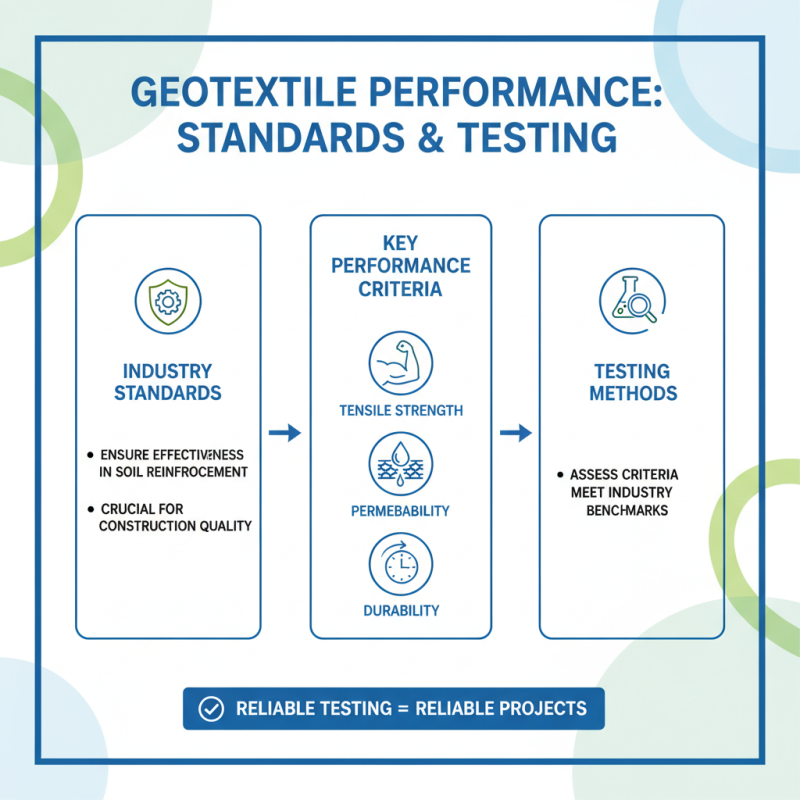
Geotextiles play a crucial role in construction projects, especially in reinforcing soil structures. Industry standards are vital in ensuring their effectiveness. Testing methods assess their performance based on specific criteria. These criteria include tensile strength, permeability, and durability. Reliable testing is essential to meet industry benchmarks.
When selecting geotextiles, consider the application. Different projects may require unique properties from geotextiles. For drainage, a high permeability rate is critical. For soil reinforcement, tensile strength is paramount. Always analyze soil conditions before selecting a type.
Tip: Conduct field tests to ensure compatibility. This step can reveal unforeseen issues. Utilize laboratory tests to validate performance data. Consulting engineers can provide insights into best practices.
Incorporate feedback from ongoing projects. Document performance levels and challenges faced. Continuous improvement ensures that standards evolve with technology. A reflective approach can lead to better outcomes in future construction projects.
Cost-Benefit Analysis of Geotextiles in Large-Scale Construction Projects
Geotextiles are gaining traction in large-scale construction due to their unique benefits. A recent report from the Geosynthetic Research Institute highlights that using geotextiles can reduce soil erosion by over 75%. This significant impact helps in maintaining site integrity during construction. Moreover, these materials can enhance the stability of structures by reinforcing soil, which lessens the likelihood of foundation issues.
However, the initial cost of geotextiles may raise concerns. Despite this, data from the American Society of Civil Engineers indicates that projects incorporating geotextiles can yield a return on investment up to 15%. This figure stems from reduced maintenance costs and improved project timelines. For instance, time savings during installation can be up to 30% due to the efficiency provided by geotextiles.
While the advantages are notable, not all projects benefit equally. In some cases, incorrect application may lead to premature failure of geotextile systems. Understanding soil types and project requirements is crucial. Evaluating these factors informs effective use, ensuring that resources are appropriated wisely. This careful consideration can maximize the cost-effectiveness of geotextiles in various construction scenarios.