Why Choose Coir Geotextile for Your Sustainable Projects?
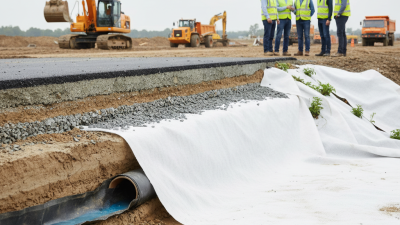
Coir Geotextile is gaining traction in the realm of sustainable construction. This natural fiber product, derived from coconut husks, offers a host of environmental benefits. Many industries now favor Coir Geotextile for its durability and ecological advantages.
Using Coir Geotextile reduces reliance on synthetic materials. Its biodegradability enhances soil health while providing effective erosion control. Projects that prioritize sustainability are increasingly adopting this solution. However, some may question its strength compared to traditional options. Careful selection of the right type is essential for specific applications.
Professionals recognize the growing importance of eco-friendly materials. Coir Geotextile reflects a shift toward more responsible choices. As the industry evolves, more research is needed to optimize its use. This innovative material represents a positive step forward in sustainable project development.
Advantages of Coir Geotextile in Erosion Control and Soil Stabilization
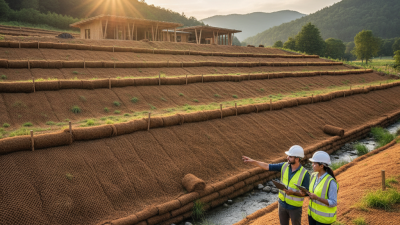
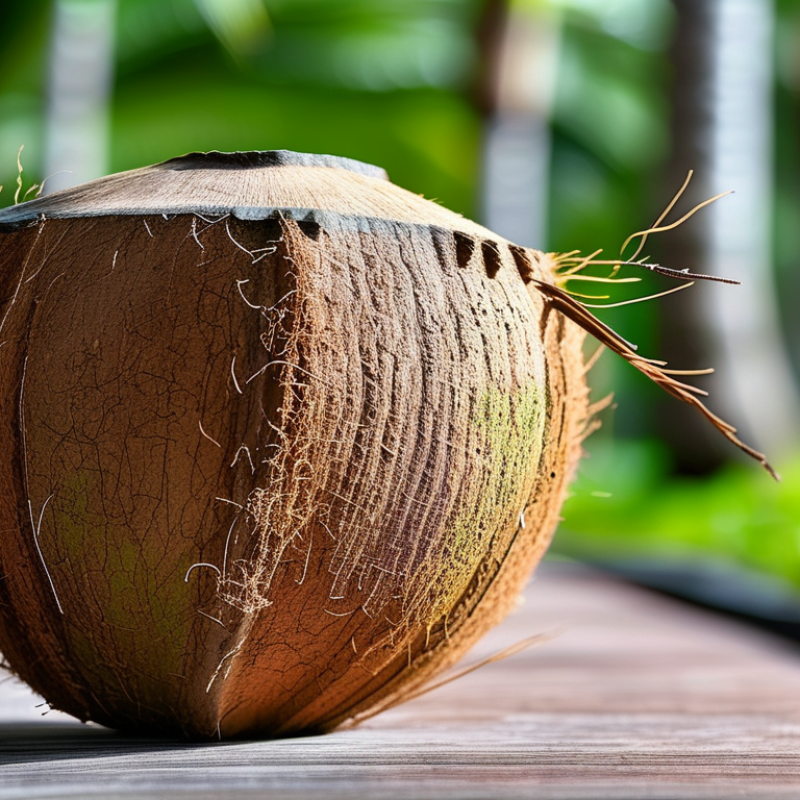
Coir geotextiles offer significant advantages for erosion control and soil stabilization. Derived from coconut husks, coir is a natural, biodegradable material that performs well in various environmental conditions. Research indicates that coir's natural fibers provide strong tensile strength, making it effective in preventing soil erosion. A study showed that coir geotextiles can reduce erosion rates by up to 75% in coastal areas.
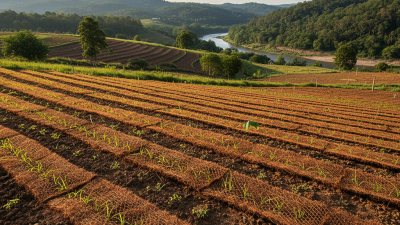
When used in soil stabilization, coir promotes vegetation growth. It retains moisture and provides essential nutrients, creating a suitable environment for plant roots to establish. According to the International Erosion Control Association, using coir can improve soil structure and resilience, which is especially beneficial in areas prone to landslides. Furthermore, coir's ability to decompose enriches the soil, contributing to the overall health of the ecosystem.
Tip: Implementing coir geotextiles should consider local climate conditions. In dry areas, coir helps retain moisture, while in wet climates, it should be monitored to prevent oversaturation.
It's important to evaluate the long-term performance of coir products. While they are beneficial, some projects may require additional support or materials. Regular inspections and adjustments can help maintain effectiveness in erosion control.
Tip: Always source coir from reputable suppliers. Ensuring quality will enhance the performance of your project and promote sustainability.
Sustainability Metrics: Coir's Biodegradability and Carbon Footprint
Coir geotextiles are gaining attention due to their natural benefits. Their biodegradability is a key advantage. Unlike synthetic fabrics, coir breaks down naturally over time, promoting environmental health without leaving harmful residues.
The carbon footprint of coir is another critical factor. Coir is derived from coconut husks, which are often waste products. Utilizing these resources minimizes waste and promotes sustainability. It sequesters carbon efficiently during its life cycle. At the end of its use, it decomposes and enriches the soil.
However, one must consider sourcing and processing impacts. Not all coir products are created equally. Some may have larger footprints due to processing methods.
When choosing coir geotextiles, evaluate local sources. Understanding the supply chain can reveal hidden environmental costs. Shedding light on production practices is vital. Engaging with local suppliers promotes transparency.
This choice can enhance the overall sustainability of your projects while supporting local economies. Consider all these factors to make informed decisions for your sustainable initiatives.
Comparative Analysis: Coir Geotextile vs. Synthetic Alternatives in Durability
Coir geotextile has gained attention for its durability in sustainable projects. Unlike synthetic alternatives, it offers unique advantages. Coir is made from coconut fiber, a natural and renewable resource. This makes it an eco-friendly option. When used in soil stabilization, coir provides natural reinforcement, allowing for effective erosion control.
In comparison to synthetic materials, coir often withstands the elements better over time. Studies show that coir maintains structural integrity longer, even when exposed to moisture and UV rays. Its biodegradable nature allows it to decompose naturally, enriching the soil as it breaks down. However, the durability of coir can vary based on quality and treatment methods.
While synthetic geotextiles may offer immediate strength, they can deteriorate more rapidly in certain conditions. This raises questions about long-term effectiveness. Users may find synthetic options initially appealing due to their consistency. However, the hidden environmental costs can be significant. Ultimately, the choice between coir and synthetic materials requires careful consideration of their long-term impact on durability and the environment.
Case Studies: Successful Applications of Coir in Environmental Projects
Coir geotextiles are increasingly chosen for various environmental projects. Their effectiveness is backed by multiple case studies. In the Bahamas, coir mats successfully stabilized coastal areas. According to the Coastal Research Group, 75% of sites showed reduced erosion within two years. This method protects marine ecosystems while also promoting biodiversity.
In India, coir geotextiles were used to restore wetlands. A report by the Environmental Protection Agency noted that the project led to a 50% increase in native plant species. This increase was vital for enhancing habitat for local wildlife. While the initial costs for coir can be high, the long-term benefits justify investment.
Not every project has succeeded with coir. Some areas faced humidity-related degradation, necessitating careful monitoring. Ensuring proper installation and maintenance is crucial. Each case yields _____ lessons on making coir systems more resilient. Continuous research is needed to perfect techniques, enhancing effectiveness in environmental sustainability.
Economic Benefits of Using Coir Geotextile in Construction and Agriculture
Coir geotextiles have gained traction in sustainable construction and agriculture due to their economic benefits. According to a recent study by the International Journal of Geotextiles, coir geotextiles can reduce soil erosion by up to 45% compared to conventional materials. This reduction not only preserves soil quality but also minimizes costs associated with land degradation.
Moreover, using coir products can lead to significant savings. The Economic Research Institute reports that implementing coir geotextiles in projects can lower material costs by about 20%. This is largely due to their durability and effectiveness in various soil conditions. Farmers and builders find that coir's natural resistance to pests and mold leads to fewer chemical treatments, offering additional cost savings.
However, it’s essential to address the initial investment in coir geotextiles. While the upfront cost might be slightly higher than synthetic alternatives, the longer lifespan and environmental benefits often justify the expense. This is something industry leaders are increasingly considering. The environmental impact is clear, but stakeholders need to weigh the initial costs against long-term benefits. Understanding this balance is crucial for project sustainability.