Top 10 Benefits of Using Plastic Geonet for Your Projects?
In recent years, the construction and civil engineering industries have increasingly recognized the advantages of using Plastic Geonet. According to a study by the Global Geosynthetics Market Report, the demand for geosynthetics, including Plastic Geonet, is projected to grow by 12% annually through 2025. This trend highlights the material's increasing significance in sustainable construction practices.
Expert James T. Ralston, a leading figure in geotechnical applications, emphasizes, “Plastic Geonet not only enhances drainage efficiency but also contributes to soil stability.” With applications ranging from landfill systems to road construction, its benefits are notable. For instance, its lightweight nature allows for easier installation, while its durability ensures long-term performance.
Despite these advantages, some industry professionals still question the material's environmental impact and longevity under extreme conditions. This ongoing dialogue pushes for further research and responsibility in selection processes. As we explore the top 10 benefits of using Plastic Geonet, it’s crucial to balance innovation with sustainable practices and informed decision-making.
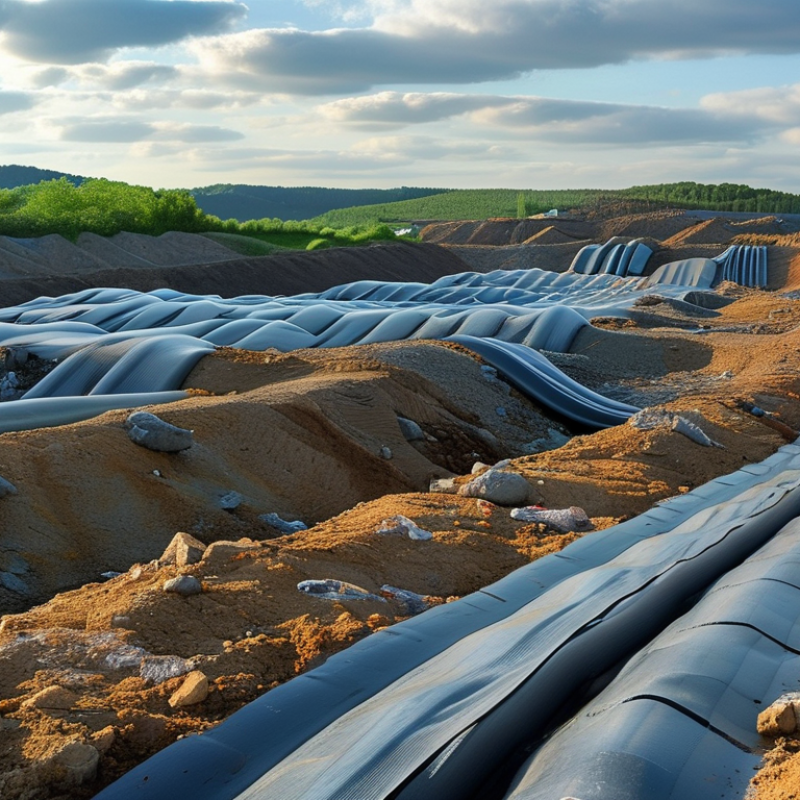
Advantages of Lightweight and Flexible Design of Plastic Geonet
The lightweight and flexible design of plastic geonets provides significant advantages for various construction and engineering projects. Their low density contributes to reduced transportation costs. Moreover, this characteristic allows for easier handling on construction sites. A recent industry report indicates that lightweight materials can cut labor time by up to 25%. This efficiency can lead to substantial cost savings overall.
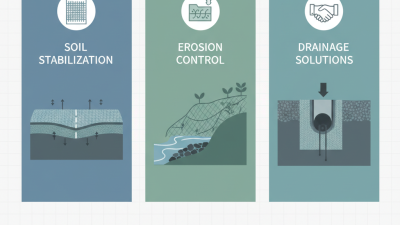
Plastic geonets are also incredibly flexible. This attribute makes them suitable for diverse applications, including soil stabilization and drainage systems. Flexibility allows geonets to adapt to varying ground conditions without compromising structural integrity. The adaptability of these materials is crucial in projects that encounter unstable soils or dynamic load environments. Adapting to these conditions can improve project outcomes significantly.
While plastic geonets offer numerous benefits, challenges exist. Their performance can depend on environmental factors. Factors like temperature and exposure to UV light may affect their longevity. Therefore, selecting high-quality materials and understanding the local conditions is essential in optimizing their use. This consideration underscores the importance of thorough material analysis and project planning.
Top 10 Benefits of Using Plastic Geonet for Your Projects
| Benefit | Description | Applications |
|---|---|---|
| Lightweight | Easier to handle and install, reducing labor costs. | Landfills, drainage systems |
| Flexible Design | Conforms to different terrains and shapes, allowing for versatile usage. | Slope stabilization, road construction |
| Durability | Resistant to chemicals and environmental degradation. | Civil engineering projects, drainage applications |
| Cost-effective | Reduces material costs and extensive maintenance. | Infrastructure projects, agricultural fields |
| Enhanced Drainage | Improves water management in soil and structures. | Airport runways, paved areas |
| UV Resistance | Long-lasting even under direct sunlight. | Outdoor applications, landscaping projects |
| Environmental Safety | Made from non-toxic materials and recyclable. | Green building projects, eco-friendly construction |
| Customizability | Can be manufactured in various sizes and designs based on project needs. | Tailored engineering solutions, specialized applications |
| Increased Load Bearing | Supports significant weight, enhancing structural integrity. | Retention walls, foundation reinforcement |
| Aesthetic Appeal | Can be incorporated into designs for visual enhancement. | Architectural features, landscaping |
Related Posts
-
What is Concrete Cloth and How is it Used in Construction?
-
Top 10 Tips for Choosing the Right BPM Geomembrane?
-
How to Choose the Right Woven Geofabric for Your Project?
-

Enhancing Soil Stability: The Ultimate Guide to Geogrid Gravel Applications
-
China Top Geotextile Use Applications in Construction and Environmental Projects?
-
How to Use Baselok Geocell for Effective Ground Stabilization?
-

Phone
-

E-mail
-

Whatsapp
-

Top