Top Woven Geofabric Uses for Global Sourcing Needs?
Woven Geofabric has become crucial in the realm of global sourcing. These materials offer a blend of strength, durability, and versatility. Industries such as construction, agriculture, and environmental protection increasingly rely on Woven Geofabric for various applications. According to a report by the Geosynthetic Research Institute, the market for geosynthetics is expected to reach $12 billion by 2025, indicating significant growth in this sector.
Expert John Anderson, a renowned geotechnical engineer, emphasizes the importance of innovation in this field. He states, “Woven Geofabric can transform how we approach soil stabilization and erosion control.” This technology not only enhances project efficiency but also promotes sustainable practices. Yet, challenges persist. Sourcing high-quality Woven Geofabric can sometimes be a struggle due to variable standards across suppliers.
As demand rises, maintaining reliability becomes paramount. Businesses must be vigilant in choosing suppliers. The evolving demands of construction and environmental needs present an ongoing challenge for industry stakeholders. There is an opportunity to enhance practices but also a necessity to reflect on past shortcomings. Emphasizing the importance of quality will shape the future landscape of Woven Geofabric applications.

Key Characteristics of Woven Geofabrics in Global Sourcing
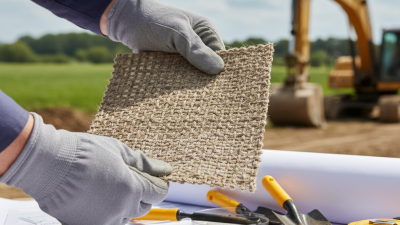
Woven geofabrics play a pivotal role in modern sourcing needs. Their unique characteristics make them vital in various industries. These fabrics are designed to provide durability and strength while allowing for optimal drainage. This is crucial for projects like road construction and erosion control. The robust structure of woven geofabrics ensures they withstand harsh environmental conditions.
In global sourcing, the usability of woven geofabrics often highlights their adaptability. Their lightweight nature can reduce transportation costs, making them attractive for international projects. However, sourcing these materials comes with challenges. Quality control is essential; not all suppliers maintain the same standards. Finding reliable manufacturers can be a daunting task for sourcing managers.
Furthermore, the environmental impact of fabric production needs reflection. Sustainable sourcing practices are becoming more critical. It is essential to consider the lifecycle of these materials. While woven geofabrics offer numerous benefits, the sourcing process must be scrutinized for ethical implications. Balancing performance and sustainability remains a significant goal in the industry.
Primary Applications of Woven Geofabrics in Construction Projects
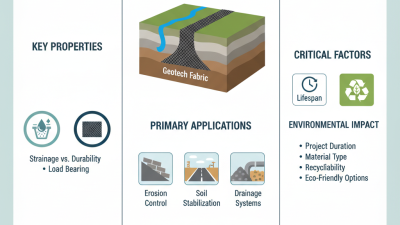
Woven geofabrics play a vital role in modern construction projects. Their primary applications include soil stabilization, erosion control, and drainage solutions. According to a recent market report, the global geotextiles market is projected to grow at a CAGR of 12.3% from 2021 to 2028. This growth highlights the increasing reliance on geofabrics in construction.
In soil stabilization, woven geofabrics help distribute loads and mitigate settling risks. They reinforce subgrades, which is crucial for road construction and infrastructure projects. Data indicates that effective use of geofabrics can reduce aggregate usage by up to 50%, leading to cost savings. However, improper installation or lack of maintenance can lead to reduced performance.
Erosion control is another significant application. Woven geofabrics are employed to protect slopes and riverbanks from washout. The installation process must be carefully planned; otherwise, the fabric may not perform as expected. Recent studies show that areas treated with geofabrics experienced a 30% reduction in erosion rates compared to untreated sites. Yet, there is still room for improvement in design and implementation practices. Construction teams must regularly review their techniques to ensure optimal results.
Environmental Benefits of Using Woven Geofabrics in Infrastructure
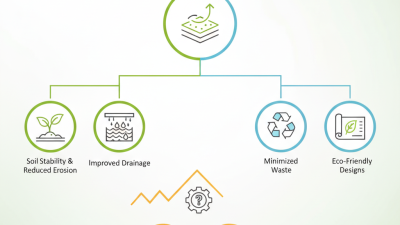
Woven geofabrics play a crucial role in sustainable infrastructure. These materials are designed to improve soil stability and prevent erosion. Their unique fabrics allow for better drainage, which can significantly reduce the impacts of rain on construction sites. This not only preserves the surrounding environment but also enhances the longevity of infrastructure projects.
The environmental benefits of woven geofabrics extend beyond soil management. They can help control sediment runoff, promoting cleaner waterways. In some cases, however, the effectiveness of these fabrics depends on proper installation and maintenance. If they are not fitted correctly, they might not deliver the expected results.
Despite their benefits, woven geofabrics present challenges as well. Not all geofabrics are created equal; some may lack the necessary durability needed for certain projects. It’s essential to consider local conditions and specific project requirements when selecting the right geofabric. Understanding these complexities can lead to more sustainable choices, ultimately benefiting ecosystems and infrastructure alike.
Factors Influencing the Selection of Woven Geofabrics for Projects
When selecting woven geofabrics for various projects, several critical factors come into play. The choice often depends on the specific application, such as soil stabilization, drainage, or erosion control. According to a report by the Global Geosynthetics Market, the demand for woven geofabrics is growing annually at 8.4%. This rapid growth indicates the industry's reliability and the need for advanced solutions in construction and environmental protection.
Another crucial factor is the material used in the production of geofabrics. Polypropylene and polyester are the most common materials, each offering unique benefits. For instance, polypropylene provides excellent resistance to chemicals, while polyester is known for its strength and durability. Projects must consider environmental conditions as well. Some woven geofabrics perform poorly in extreme temperatures or highly acidic soils. A study from the International Journal of Geosynthetics highlights that improper selection can lead to early deterioration, resulting in costly repairs.
Additionally, project managers should also evaluate the long-term performance of geofabrics. A well-selected woven geofabric can last up to 25 years. However, sourcing low-quality materials can significantly shorten this lifespan. It’s essential to analyze supplier credibility and product testing results. Inadequate information can lead to poor choices, impacting the overall success of projects.
Emerging Trends in Woven Geofabric Technology and Sustainability
Woven geofabrics are making waves in the construction and landscaping industries. As environmental concerns grow, innovative technologies are emerging. These materials are increasingly designed to enhance sustainability. Not only do they offer stability, but they also reduce waste in various applications.
The new trends focus on biodegradable options. Many woven geofabrics now integrate natural fibers into their design. This shift minimizes the environmental footprint. It raises important questions: Are these materials truly effective? How do they compare to traditional options in terms of durability and cost?
Incorporating recycled materials is another emerging trend. This practice not only promotes sustainability but also challenges manufacturers to think creatively. However, the balance between cost and sustainability remains delicate. Companies need to evaluate long-term benefits versus initial expenses. Understanding these dynamics is crucial for successful global sourcing.