Top 10 Innovative Uses of Concrete Cloth in China?
Concrete Cloth is an innovative material transforming construction and landscaping in China. This flexible fabric, infused with concrete, adapts to various surfaces. Its versatility makes it ideal for infrastructure projects, erosion control, and even artistic applications.
In urban areas, Concrete Cloth provides rapid solutions for managing stormwater. Its lightweight design allows for easy installation in locations that traditional concrete cannot reach. As cities face flooding, this material becomes essential in mitigating risks.
While Concrete Cloth has clear benefits, challenges remain. Understanding its long-term durability is crucial. This emerging technology demands attention from engineers and architects. Exploring its innovative uses reveals a future where Concrete Cloth plays a vital role in sustainable construction.
The Emergence of Concrete Cloth in China: A Revolutionary Material
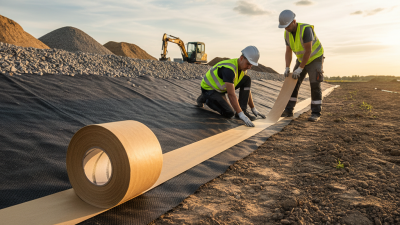
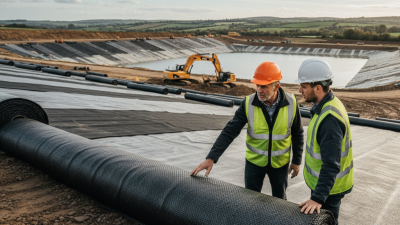
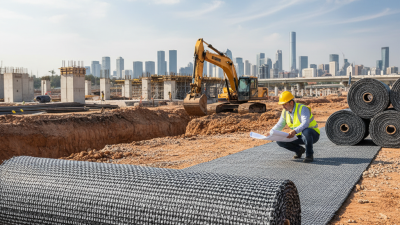
Concrete cloth is emerging as a revolutionary material in China. This innovative fabric is a blend of concrete and textile technology. It provides a lightweight but durable solution for various construction challenges. In many regions, traditional concrete use can be cumbersome and time-consuming. Concrete cloth simplifies this process, allowing faster and more efficient installations.
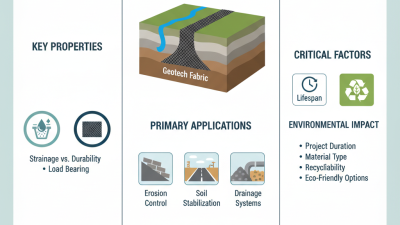
Applications of concrete cloth stretch beyond typical construction. Local governments use it for erosion control and environmental protection. For instance, in areas prone to landslides, it stabilizes slopes effectively. Moreover, its flexibility allows for various designs and shapes. Some architects use it creatively in landscaping projects, providing unique aesthetic qualities. However, while innovative, concrete cloth raises questions about long-term sustainability.
User experiences with concrete cloth vary. Some report excellent performance, while others find it less durable under extreme conditions. The material’s exposure to weather elements can affect its longevity. This aspect requires thorough evaluation. Reflection on its usage in diverse climates will enhance future implementations. Despite its complexities, concrete cloth showcases the potential for modern construction technologies in China.
Top 10 Innovative Uses of Concrete Cloth in China
This chart illustrates the top innovative uses of Concrete Cloth across various sectors in China, showcasing its versatility and applications in modern construction and design.
Infrastructure Projects Utilizing Concrete Cloth for Enhanced Durability
Concrete cloth is emerging as a robust solution in various infrastructure projects across China. This innovative material combines the flexibility of fabric with the strength of concrete, enabling significant enhancements in durability and performance. Recent studies indicate that concrete cloth can reduce erosion in critical areas by up to 80%. This makes it an ideal choice for riverbanks and slope stabilizations.
Notably, several infrastructure developments in China have adopted concrete cloth for its quick installation and environmental benefits. For instance, a bridge project in Sichuan reported a 30% reduction in construction time using this material. Its lightweight nature also allows for easier transport and handling, a critical factor in remote construction sites. However, the long-term environmental impacts are still under scrutiny.
Challenges remain in the effectiveness of concrete cloth under different climatic conditions. While it performs well in dry regions, its long-term durability in wet climates requires further exploration. The adaptability of concrete cloth presents both exciting opportunities and areas needing further research. As infrastructure demands grow, innovative materials like this will need continuous evaluation.
Sustainable Applications of Concrete Cloth in Erosion Control and Landscaping
Concrete cloth has emerged as a revolutionary material in
sustainable landscaping and erosion control in China. Its unique ability to conform to surfaces makes it ideal for challenging
terrains. This flexible fabric can be easily installed on slopes to prevent soil erosion. In many regions, soil degradation poses
a significant threat. Using concrete cloth can provide immediate stabilization
while supporting vegetation growth.
The material is particularly effective in coastal areas, where erosion due to waves is common. Projects have shown that concrete
cloth reduces wave impact significantly. Interestingly, it also blends with the natural environment over time. While its initial
construction may seem invasive, the long-term benefits can outweigh this impact.
Challenges remain in ensuring its ecological compatibility. Some regions report mixed results regarding plant growth and soil health.
It is essential for practitioners to monitor these factors. Continuous assessment and adaptation are necessary for successful applications.
With the right strategies, concrete cloth can be a game
changer in sustainable erosion control and landscaping.
Innovative Uses of Concrete Cloth in Disaster Management and Recovery
Concrete cloth has emerged as a vital tool in disaster management and recovery efforts across China. This innovative material offers rapid deployment for temporary structures, acting almost like a second skin. It is lightweight, flexible, and can conform to various shapes, providing an immediate protective layer over affected areas. According to a report by the International Disaster Emergency Committee, the use of concrete cloth in emergency shelters can reduce setup time by up to 70%.
During natural disasters such as floods and landslides, concrete cloth serves multiple functions. It can stabilize slopes, preventing further soil erosion, and protect vital infrastructure. One example includes its use in landslide-prone regions, where it has been applied to reinforce embankments. Local governments have reported that areas treated with concrete cloth experienced a significant decline in landslide incidents, showcasing its effectiveness.
Tips:
- Ensure proper training for personnel when deploying concrete cloth in emergencies.
- Using it improperly can lead to ineffective solutions.
- Regular assessments of the treated areas are essential for long-term success and community safety.
- While concrete cloth holds promise, it may not be a one-size-fits-all solution.
- Continuous research and field tests are necessary to address its limitations in diverse environments.
Case Studies: Successful Implementations of Concrete Cloth Across China
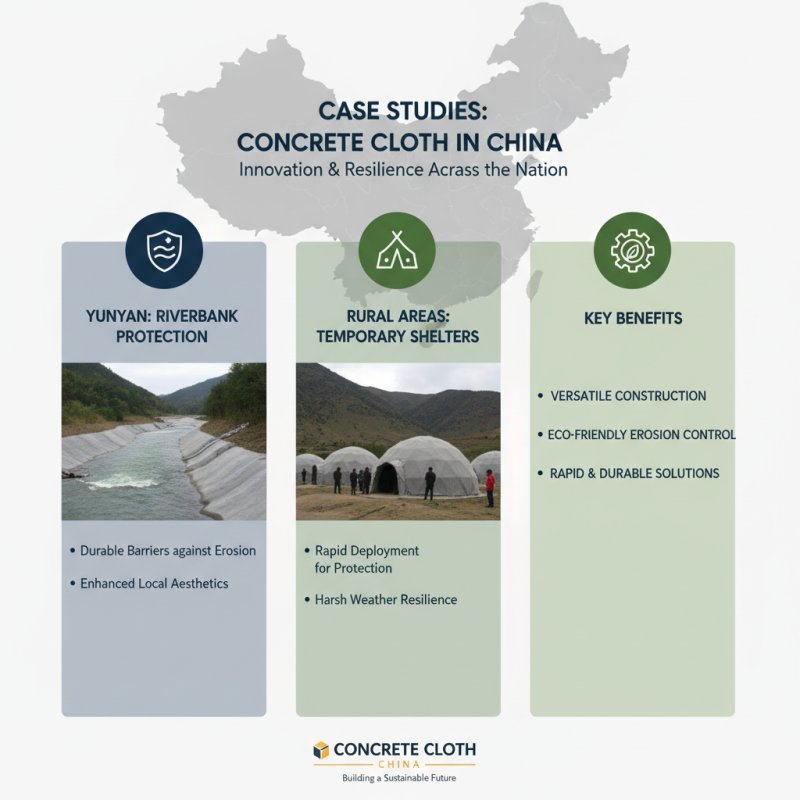
Concrete cloth has emerged as a groundbreaking material in various sectors across China. Its unique properties allow for innovative applications in construction, erosion control, and landscaping. In Yunnan, teams utilized concrete cloth to create durable protective barriers for riverbanks. This not only reduced erosion but also enhanced the local aesthetic. In some rural areas, it was used for constructing temporary shelters that provide protection during harsh weather.
One significant case is its use in Sichuan province. Local contractors employed concrete cloth to line irrigation channels. This method minimized water loss and reduced sediment buildup. The implementation showcased a blend of efficiency and sustainability. Yet, challenges arose, such as installation difficulties in varying terrains. Teams had to adapt techniques to suit different environmental conditions.
When considering concrete cloth for projects, ensure proper training for installation teams. Using appropriate tools is crucial to achieve the desired results. Testing material performance in localized contexts can drive further innovation. Even successful projects faced setbacks, emphasizing the importance of continuous improvement. Collecting feedback from users can turn challenges into learning opportunities.