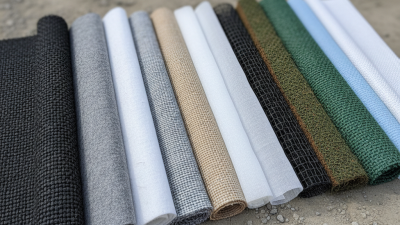
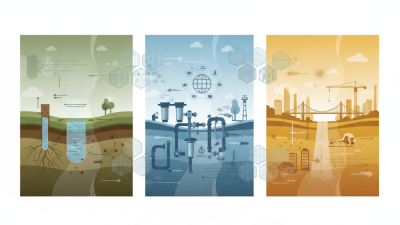
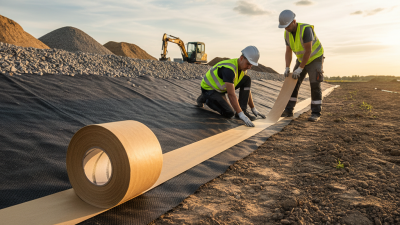
Geotextile Tape is becoming indispensable in various projects across the construction and landscaping industries. According to industry expert Dr. Emily Carter, “Geotextile Tape elevates project efficiency and reliability.” This innovative material provides robust solutions for soil stabilization, erosion control, and drainage.
From road construction to garden applications, the uses of Geotextile Tape are vast. For instance, in roadways, it helps prevent soil degradation. In landscaping, it keeps layers of soil separate while allowing water to flow. These applications showcase the versatility of this product.
Nevertheless, it is crucial to choose the right type for each project. Not all Geotextile Tape is created equal. Users must consider factors like tensile strength and UV resistance. Making the wrong choice can lead to construction issues. Thus, understanding the nuances of Geotextile Tape is vital for successful outcomes.
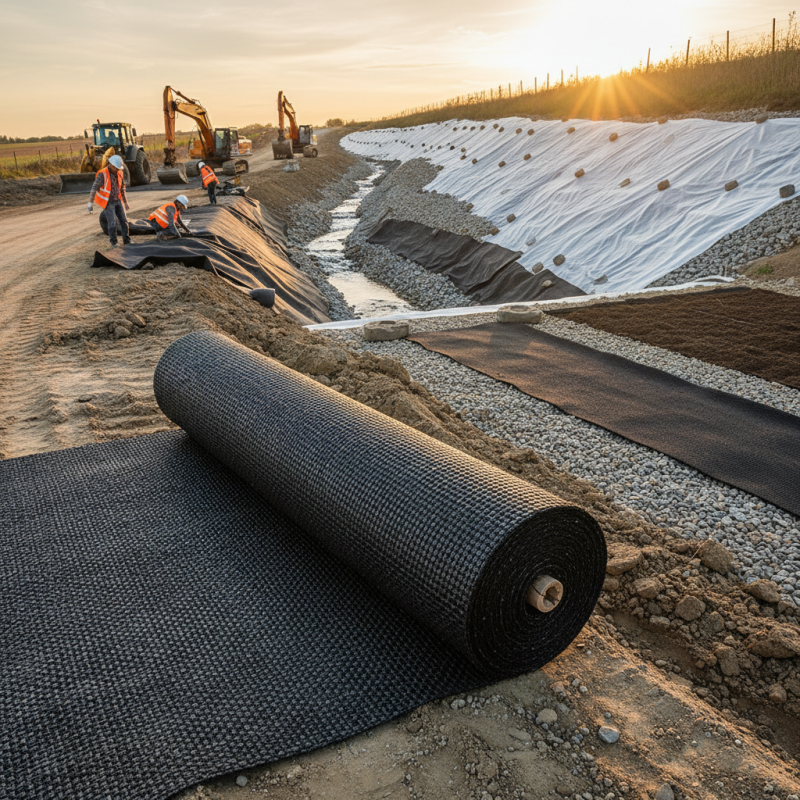
Geotextile tape has become a vital tool in various construction and landscaping projects. Its unique properties make it suitable for both civil engineering and environmental applications. Made from specialized synthetic fibers, it offers excellent durability and resistance to chemicals and UV light. According to a report from the Geosynthetic Research Institute, the global geotextile market is projected to exceed $12 billion by 2026, highlighting its increasing popularity.
One significant benefit of geotextile tape is its ability to improve soil stability. It helps control erosion, which is crucial for maintaining landscape integrity. A study conducted by the International Society of Soil Mechanics found that projects utilizing geotextile materials experienced a 30% reduction in soil erosion rates. Furthermore, geotextile tape is also useful in drainage applications. It allows for efficient water flow while filtering out soil particles, preventing clogging in drainage systems.
Despite its advantages, there are challenges with geotextile tape usage. In some projects, improper installation can lead to inadequate performance. Many users overlook the importance of proper overlap and adhesion techniques. Additionally, while geotextile tape is designed to withstand harsh conditions, extreme temperature fluctuations can weaken its adhesive properties over time. These factors emphasize the need for careful planning and execution when incorporating geotextile tape into projects.
Geotextile tape plays a crucial role in civil engineering projects. Its versatility includes drainage, reinforcement, and erosion control. One common application is in road construction. The tape can help stabilize soil layers and prevent shifts that can lead to cracks. This is particularly beneficial in areas with high moisture or varying temperatures.
In landscaping, geotextile tape is used to separate soil from aggregates. This prevents mixing and ensures effective drainage. It also controls weed growth, promoting healthier plant life. Using the tape properly can make a significant difference in project durability.
Tip: Ensure proper surface preparation before applying geotextile tape. A clean surface helps the tape adhere better. During installation, keep tension consistent. This avoids wrinkles and increases effectiveness. Experimenting with different applications can lead to improved results. However, sometimes mistakes can be made in placement. Be ready to adjust if necessary.
Geotextile tape is becoming crucial in construction and landscaping. It plays an essential role in erosion control and soil stabilization. By creating a barrier, it helps retain soil and prevents it from washing away. This is especially useful in hilly or sloped areas where soil erosion is common.
In projects involving drainage systems, geotextile tape can help manage water flow. It separates soil layers, allowing water to pass through while keeping soil intact. This process reduces sediment runoff. In many cases, improper installation leads to ineffective results. It's important to pay attention to the tape's placement and adhesion.
Moreover, the use of geotextile tape can reduce costs by minimizing soil replacement. However, without proper planning, projects may face challenges. Weather conditions can affect tape performance, leading to failures. Regular inspection and maintenance are crucial to ensure long-term effectiveness. Understanding these factors can greatly enhance the success of your project.
| Use Case | Description | Benefits | Project Type |
|---|---|---|---|
| Erosion Control | Used to stabilize soil in areas prone to erosion. | Reduces soil loss, promotes vegetation growth. | Landscaping, Agricultural Fields |
| Soil Stabilization | Helps stabilize loose or sandy soils. | Improves load-bearing capacity, prevents shifting. | Road Construction, Foundations |
| Drainage Improvement | Facilitates water drainage away from structures. | Prevents water accumulation, reduces flood risk. | Building Sites, Agricultural Lands |
| Sediment Control | Controls sediment from stormwater runoff. | Protects waterways, maintains water quality. | Construction Projects, Roadways |
| Temporary Road Construction | Provides a stable surface for temporary roads. | Easier vehicle access, reduces wear on soil. | Event Sites, Utility Installations |
| Landfill Management | Used to cover and control landfill erosion. | Minimizes runoff, protects against leaks. | Waste Management Facilities |
| Revegetation Support | Aids in establishing vegetation in disturbed areas. | Encourages growth, reduces erosion risk. | Restoration Projects, Agricultural Lands |
| Flood Control | Used in barriers to manage floodwaters. | Prevents property damage, protects ecosystems. | Urban Areas, Riverbanks |
| Geotechnical Applications | Utilized in various geotechnical engineering projects. | Enhances project durability, reduces risk of failure. | Infrastructure Projects |
| Agricultural Use | Supports sustainable farming practices. | Increases crop yields, conserves soil moisture. | Farming, Greenhouses |
Geotextile tape has become a game-changer in landscaping projects. Its ability to provide stability while allowing water drainage is invaluable. According to recent industry reports, the use of geotextile materials can reduce soil erosion by up to 70%. This makes it an essential component in various landscaping applications.
One innovative use is in the creation of retaining walls. By using geotextile tape, landscapers can reinforce soil structures. This not only enhances durability but also minimizes maintenance costs. Furthermore, geotextile tape can help in creating pathways that resist erosion, preserving aesthetics and functionality.
**Tips:** Always check the soil type before application. Different soils interact differently with geotextile materials. Also, consider environmental factors like rainfall and humidity. These can greatly impact your project outcomes.
Another exciting application is in garden beds. Geotextile tape can prevent weeds while allowing essential nutrients to pass through. It's a great alternative to plastic barriers, which can lead to drainage issues. However, improper installation can compromise its effectiveness. Regularly inspect your installations to ensure they perform well over time.
**Tips:** Be mindful of tape positioning. Misalignment can negate its benefits. Testing small sections first can save you from larger failures later.
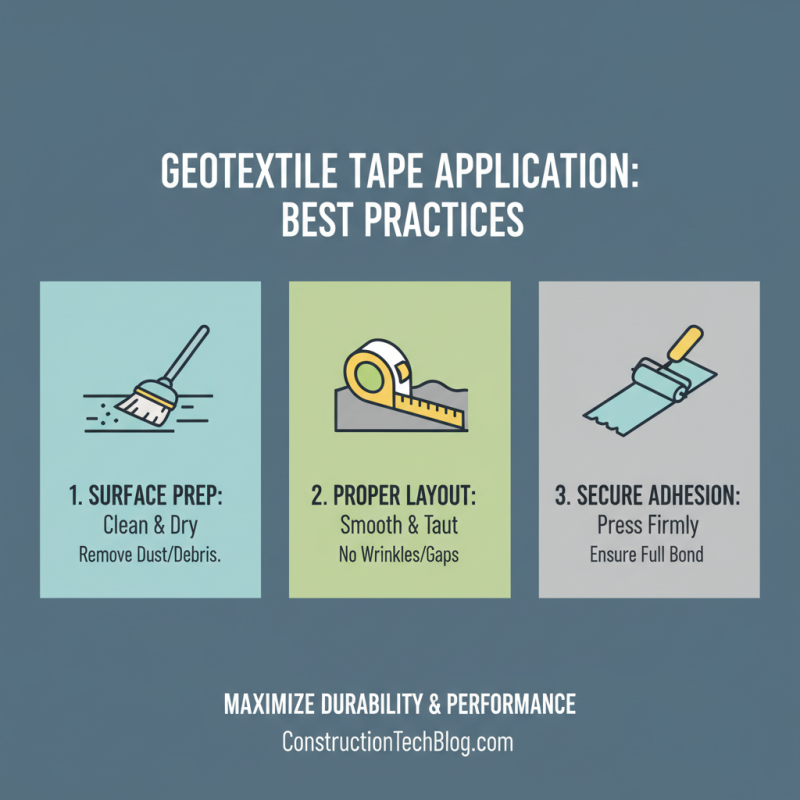
Using geotextile tape in construction offers many benefits. It's essential to know the best practices for applying it effectively. Begin by preparing the surface properly. Clean and dry materials ensure better adhesion. Remove any dust or debris that may affect the bond. This step seems simple but is often overlooked.
When applying the tape, maintain tension. This prevents wrinkling and allows it to stick better. Another common mistake is not overlapping the tape sufficiently. A gap can lead to failure. Cut the tape to length based on your project needs. Ensure that edges are aligned for a smooth finish. Sometimes, a little practice is needed to achieve perfect placement.
Be mindful of temperature while applying the tape. Extreme heat or cold can impact performance. Test a small area first if unsure. Regular checks during the project can save time later. Document any issues that arise. Reflecting on this can lead to more efficient future applications.